
Unbiased headlines. Facts, not spin.
Every story is an unbiased news briefing written from 110+ sources across the spectrum — sources linked so you can verify it yourself.
 energy
Notable (6/10)
July 29, 2026 at 12:23 PM
energy
Notable (6/10)
July 29, 2026 at 12:23 PM
Drought Now Official Across More Than Half of England as July Rainfall Hits Record Lows
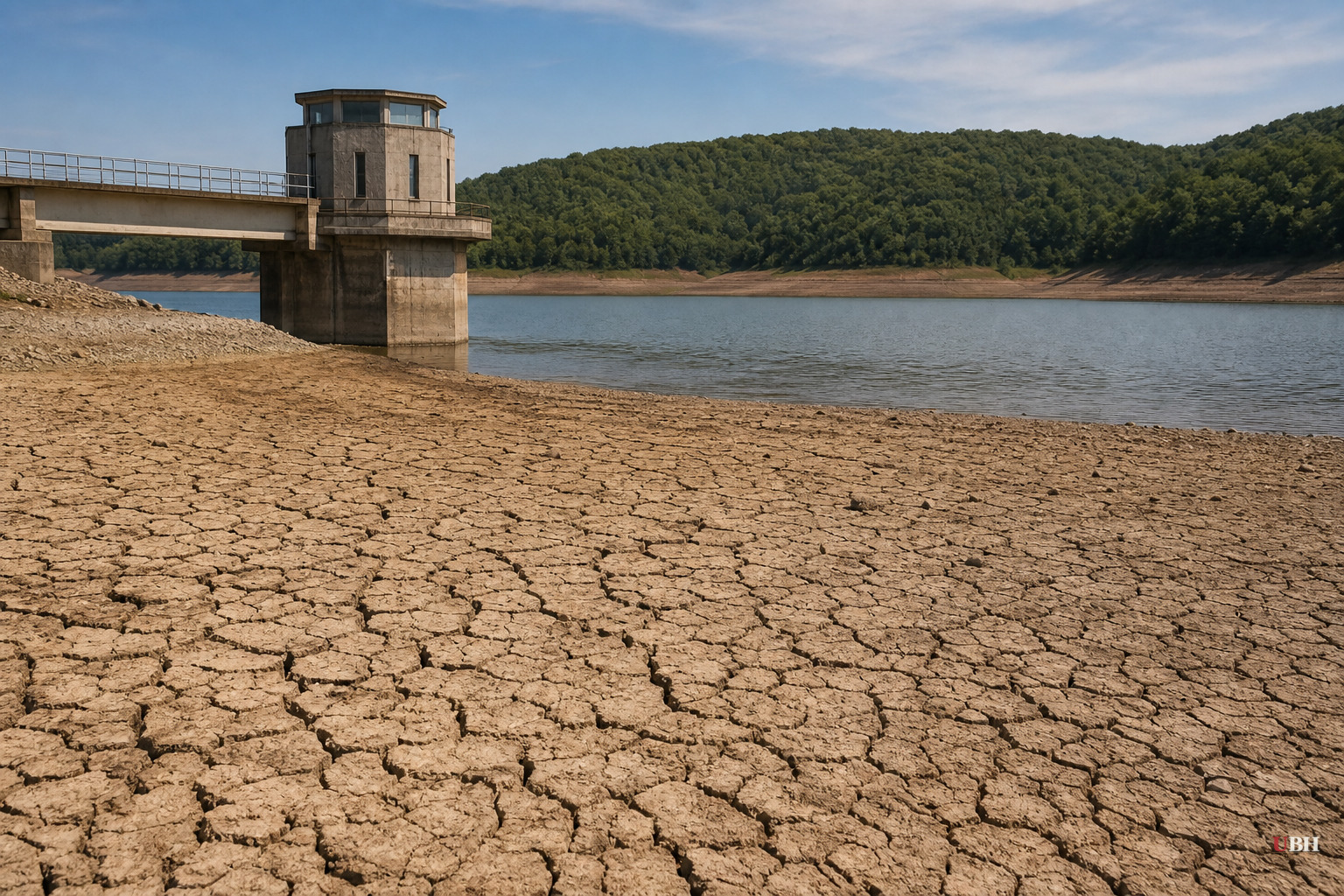
England's Environment Agency has declared drought across seven regions, covering large parts of central, eastern and southern England. The declaration means more than half the country is now officially in drought.
Helen Wakeham, director of water at the Environment Agency and chair of the National Drought Group, said the country is "currently using water faster than nature can replenish it."
According to the Environment Agency, July brought just 7% of expected rainfall across England, with southern England getting a mere 1%. Those figures represent a near-total absence of rain in a month that normally sees meaningful precipitation.
Which Regions Are Affected
The seven regions now under official drought conditions, per the Environment Agency, are East Anglia, Hertfordshire and all of London, the Thames Valley, Hampshire and the Isle of Wight, Devon and Cornwall, the West Midlands, and Wessex (Dorset, Somerset, Wiltshire, and South Gloucestershire).
North Wales and the Upper Severn river basin joined the drought list last week, according to Natural Resources Wales. Scotland doesn't formally declare drought but tracks "water scarcity," and the Scottish Environment Protection Agency reports some eastern Scotland areas are in the most severe "significant scarcity" category.
Millions of people across affected regions are already living under hosepipe bans, restrictions that limit garden watering, car washing, and other non-essential water use.
Why This Happened So Fast
This year is unusual because it didn't start dry. January and February brought heavy rain across much of the UK, which topped up reservoirs and groundwater going into spring.
Then the weather flipped. Late spring and summer turned exceptionally hot and dry, and July in particular delivered almost no rain to parts of the country. The combination of low rainfall and sustained high heat, which increases evaporation from soil and vegetation, drained water reserves quickly.
The Environment Agency is calling this a "flash drought," a term for drought conditions that develop suddenly rather than building up gradually over months or years. Water planners use standard drought models built around slow-building deficits, which don't necessarily catch conditions that spiral this fast.
There's no single technical definition of drought. The Environment Agency weighs rainfall data, river flows, groundwater levels, reservoir stocks, and impacts on agriculture and the environment before making a declaration. By that combined measure, seven English regions have now crossed the threshold.
Farmers Are Already Taking the Hit
Paul Tompkins, deputy president of the National Farmers' Union of England and Wales, said farmers "have always had to contend with the weather, but what they are experiencing now is climate change in action." He said the extreme conditions are "making it harder, riskier and more costly to produce the nation's food."
Tompkins argued drought affects food security, not just farmers' bottom lines. The Environment Agency's own assessment backs that up, citing early harvests already underway as growers try to get crops in before conditions worsen further.
The agency also flagged low river flows and elevated wildfire risk as additional consequences already being felt, not projected risks for later in the season.
A Pattern, Not a One-Off
This is the third drought declared in England in the past five years, following droughts in 2022 and 2025. Some parts of the country are heading into their fourth heatwave of the year, according to the Environment Agency's reporting.
Whether this reflects a genuine shift in England's climate pattern or a run of unlucky consecutive dry years is a fair question. Reasonable people can read the three-droughts-in-five-years statistic differently. Three data points in five years is a real trend worth taking seriously, but it's not by itself a settled long-term climate verdict. It's a short recent run that water planners and farmers are now having to plan around regardless of the underlying cause.
What happens next depends on autumn rainfall. If the wet pattern that opened 2026 doesn't return before winter, reservoir and groundwater recovery will lag into next year, and hosepipe bans could extend or expand. The National Drought Group, which Wakeham chairs, is the body responsible for coordinating the government and industry response and will decide if and when restrictions ease.
Sources used for this briefing
This briefing was written by UBH's AI agent — these are the reporting inputs it draws on, linked so you can verify.


