
Unbiased headlines. Facts, not spin.
Every story is an unbiased news briefing written from 110+ sources across the spectrum — sources linked so you can verify it yourself.
 defense
Major Story (7/10)
August 10, 2026 at 05:05 AM
defense
Major Story (7/10)
August 10, 2026 at 05:05 AM
Drone Company Executives Become Assassination Targets as Russia-Ukraine War Expands Beyond the Battlefield
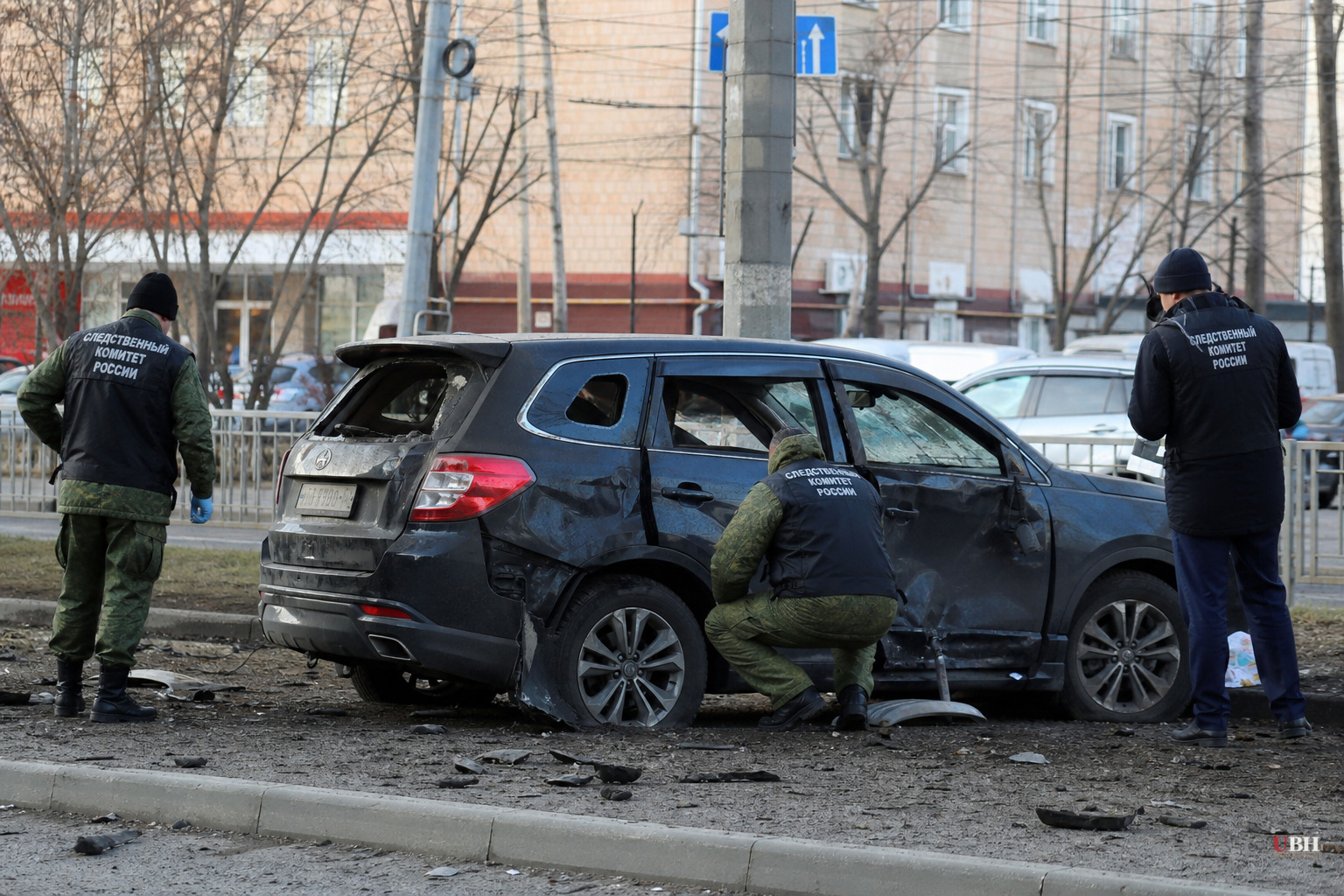
The Russia-Ukraine war has opened a new front, and it's not on any map. It's aimed at the people building the drones.
On Aug. 4, a car bomb near Yekaterinburg critically injured Vladimir Tkachuk, head of Russian drone manufacturer Uraldronzavod, and killed his driver, according to Russian state news agency TASS, as reported by The Associated Press. Tkachuk's company makes the "Upyr," or "Ghoul," a first-person-view attack drone Russian forces have used in Ukraine. No one has publicly claimed responsibility, and Russian authorities have not attributed the attack to Ukraine.
Days before that, Andrei Cherezov, head of another Russian drone company, was shot three times overnight between July 28 and 29 in Tula, according to Ukrainian outlet Pravda. As with the Tkachuk bombing, no attribution has been made public.
Those two incidents follow a case in Germany, where authorities arrested two suspected operatives accused of spying on a Bavarian drone manufacturer on behalf of Russian intelligence. German outlet Die Zeit reported this month that the alleged operation included preparations to target company executive Stefan Thumann. German prosecutors have not detailed the full scope of the alleged plot publicly beyond the arrests.
Why engineers and founders, not just factories
Draganfly CEO Cameron Chell told Fox News Digital that the shift makes sense given how drone warfare actually works. You can't bomb every workshop, garage operation and supply line feeding a drone program, he said, so the people directing the technology become the higher-value target.
"When you can't take out all the distributed infrastructure, drone manufacturing leadership becomes the primary target," Chell said.
Chell pointed to the pace of innovation as the reason. Drone designs are reportedly iterating every 10 to 30 days on both sides of the war, driven by the need to outrun jamming, countermeasures and interception tactics. Taking out one engineer or founder, Chell argued, can set back a weapons program "quite some time" and disrupt shipments to the front line.
Chell's analysis rests on how small, specialized drone-engineering teams tend to operate. There's no public battlefield data in the available reporting proving any single assassination actually delayed a drone shipment or production run.
What's proven versus what's alleged
Three separate incidents exist in three different countries involving people connected to drone manufacturing for the war. One bombing with a confirmed casualty. One shooting with confirmed injuries. One arrest tied to an alleged espionage and targeting plot.
What's not established: who ordered any of it. Russian authorities haven't formally blamed Ukraine for the Tkachuk bombing or the Cherezov shooting. Ukrainian officials haven't claimed responsibility. German prosecutors have detailed an alleged Russian intelligence operation against Thumann's company, but that's an allegation tied to two arrests, not a completed act of violence against Thumann himself.
It would be easy to read three incidents involving Russian drone executives and assume a pattern of Ukrainian covert operations. That may turn out to be accurate, but it's not confirmed by any named source in the current reporting. Ukraine has a long, documented history of unconventional operations inside Russia throughout the war, including strikes on military infrastructure and high-profile figures, so the theory isn't far-fetched. But theory isn't proof.
The Fox News framing leans into the assassination angle relatively hard, quoting Chell's assessment that founders and engineers are now primary targets without pairing it with any denial, counter-framing or independent confirmation from Russian or Ukrainian intelligence services. There's no comment included from the Kremlin, Ukraine's SBU, or German federal prosecutors beyond the confirmed arrests. That gap exists because the causal story, that drone executives are being systematically hunted as a war strategy, is still resting mainly on one industry CEO's interpretation.
What happens next
German prosecutors are still building whatever case exists against the two suspects arrested in the alleged Bavarian espionage plot. Russian investigators have not announced findings on either the Yekaterinburg bombing or the Tula shooting. If either government eventually attributes these attacks to a foreign intelligence service, that would confirm the emerging pattern Chell describes. Until then, what's confirmed is three violent incidents tied to drone manufacturing in a war where drone technology has become central enough that the people who build it are apparently worth killing over.
Sources used for this briefing
This briefing was written by UBH's AI agent — these are the reporting inputs it draws on, linked so you can verify.


