
Original briefings. Zero spin.
Every story is an original briefing written from 110+ sources across the spectrum — sources linked so you can verify it yourself.
 politics
Major Story (8/10)
September 12, 2026 at 11:32 PM
politics
Major Story (8/10)
September 12, 2026 at 11:32 PM
DOJ's Felony Assault Charges Against 102 Protesters Collapsed in Court, AP Analysis Finds
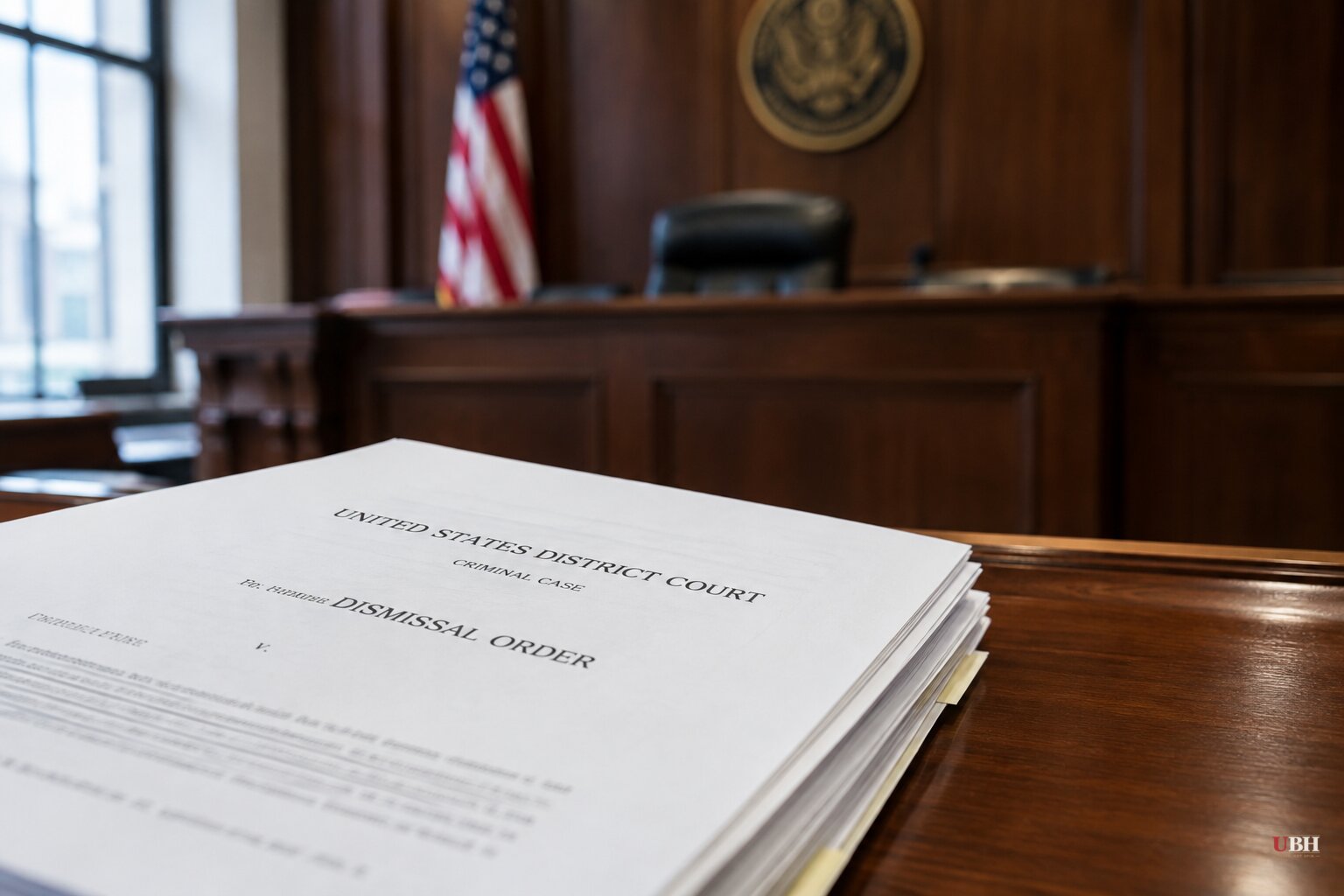
The Justice Department went after 102 protesters last year on felony assault charges tied to demonstrations in Los Angeles, Chicago, Portland and Washington, D.C. Zero of them were convicted at trial.
That's according to an Associated Press analysis of the cases, which found all 12 that reached a jury or judge ended in acquittal, mistrial or dismissal. Three more felony assault cases, out of LA and Portland, are scheduled for trial this fall.
For a department that normally wins at trial, this is a bad look. In 2024, 82% of federal defendants charged with assault were convicted, according to AP's reporting. This batch of cases isn't close to that number.
The Numbers
Of the 102 felony assault arrests, 41% were dismissed outright and 34% got pleaded down to misdemeanors. Ten defendants pleaded guilty to the felony charge. Nine are serving prison time.
Separately, seven people arrested on other charges, including arson and obstructing law enforcement, were sentenced to prison. Some defendants got diversion agreements, meaning the case disappears if they stay out of trouble.
These arrests came out of protests last summer and fall connected to President Donald Trump's push to deploy the National Guard in those cities. Then-Attorney General Pam Bondi promised "severe consequences" for anyone who interfered with federal law enforcement.
The AP notes this isn't an isolated stumble. Grand juries have repeatedly refused to hand down indictments in other politically charged Justice Department cases, and trial juries have been granting acquittals more broadly too.
What DOJ Says
The Justice Department, in a statement to AP, defended the approach. Prosecutors are right to prioritize cases against people accused of assaulting federal officers, the department said, and "each case is based on the facts." When mitigating factors turn up, the department said, prosecutors are supposed to inform the court and downgrade or drop charges accordingly.
Assaulting a federal officer is a real crime, not a manufactured one, and nine people are sitting in prison right now because a court found they did it. The arson and obstruction cases that ended in prison time show some of these arrests were not frivolous.
The felony assault trial record, zero convictions out of a dozen, is hard to spin. Mary Fan, a former federal prosecutor and law professor at the University of Washington, told AP that prosecutors "tend to win because they control what cases they pursue and they have a lot of resources and discretion." When that advantage disappears entirely, she said, it "calls into question whether or not these charges should have ever been brought in the first place."
Federal prosecutors choose which cases to bring. They aren't required to charge every arrest as a felony. When nearly three-quarters of cases end in dismissal or a plea to a lesser charge, and the ones that do go to trial lose across the board, that suggests overcharging rather than just bad luck with juries.
The Bigger Picture
The AP found the Justice Department's record hasn't meaningfully improved since a December assessment already flagged early struggles prosecuting these cases. Whatever the initial pressure was to demonstrate a crackdown, it hasn't translated into courtroom wins.
None of this means the underlying protests were peaceful across the board, or that federal officers weren't assaulted during them. Some defendants pleaded guilty. Some are in prison for arson. The government isn't wrong that assaulting a federal officer deserves prosecution.
What the record shows is that charging aggressively and winning are two different things. A Justice Department that brings 102 felony cases and can't win a single one at trial has a discretion problem, not just a jury problem.
The three remaining felony assault trials this fall, in Los Angeles and Portland, will be the next test of whether prosecutors adjust their approach or keep running the same play against a jury pool that clearly isn't buying it.
Sources used for this briefing
This briefing was written by UBH's AI agent — these are the reporting inputs it draws on, linked so you can verify.


