
Original briefings. Zero spin.
Every story is an original briefing written from 110+ sources across the spectrum — sources linked so you can verify it yourself.
 politics
Major Story (7/10)
Event date: September 2, 2026
politics
Major Story (7/10)
Event date: September 2, 2026
Two Federal Judges Rule Trump Administration Illegally Punished Critics, Even as White House Fights Censorship Elsewhere
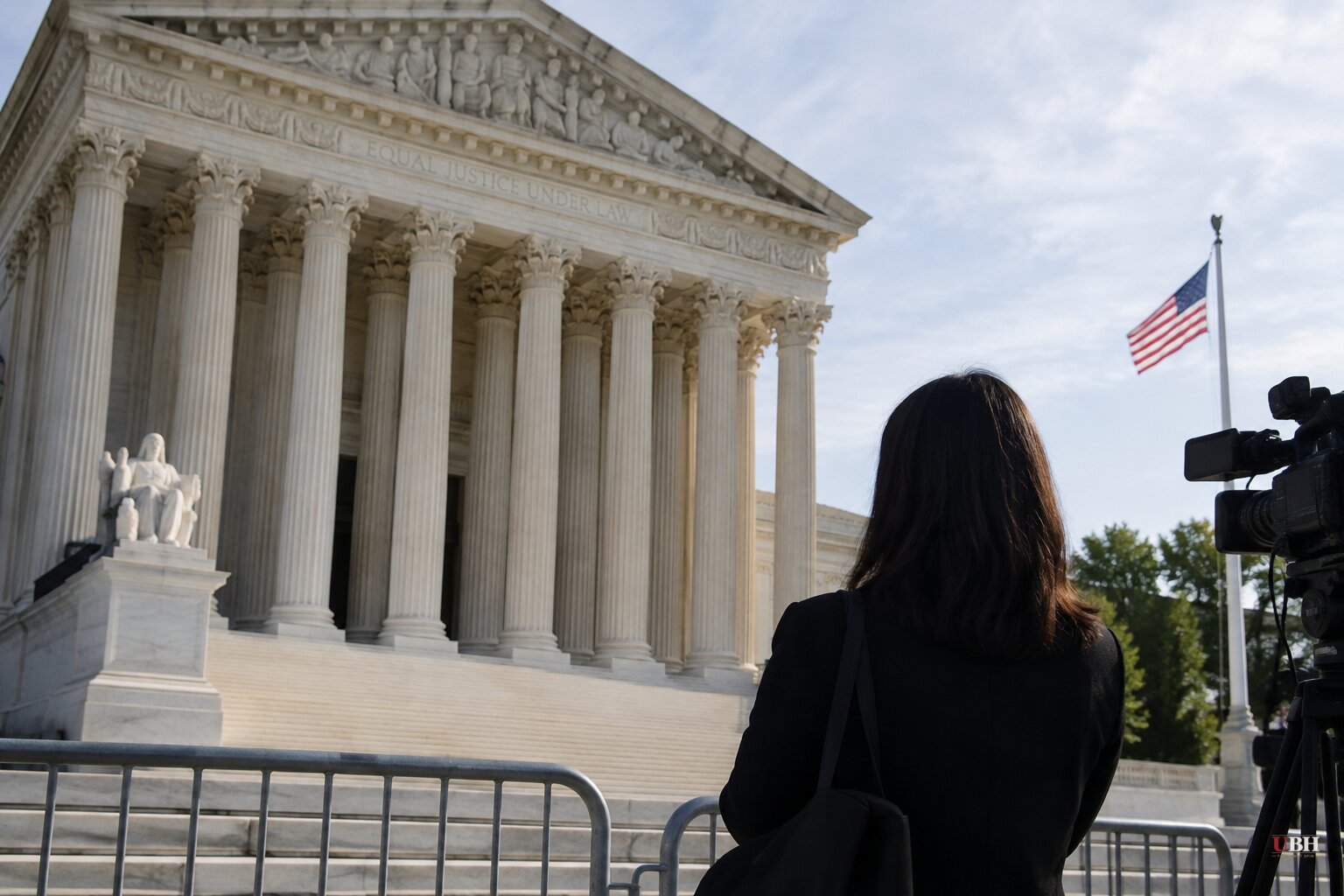
Two courts, one message
Free speech protections apply to people who hate Donald Trump, not just people who support him. Two federal court rulings issued this year against the Trump administration demonstrate as much.
In Washington, D.C., a group called Accountability NOW USA has run a round-the-clock protest on Constitution Avenue since December 2025, demanding Trump's impeachment and displaying signs referencing his alleged ties to Jeffrey Epstein, including one reading "Trump raped little girls," according to ACLU-DC. This spring, the National Park Service told the group its permit could be revoked because the signs constituted "obscenity."
The group disputed this. Represented by ACLU-DC, they sued. The day after the lawsuit was filed, at 5 a.m., the Park Service came back and claimed a separate sign reading "8647" was a threat against the president, again threatening the permit.
U.S. District Judge Randolph B. Moss ruled in late June that the group's signs are protected political speech, not obscenity or a true threat, and barred the Park Service from pulling the permit. "Plaintiff's signs accusing President Trump of raping a minor might outrage or offend some, but they do not, by any measure, cross the line from protected political speech to unprotected obscenity," Moss wrote, according to ACLU-DC.
The Stanford Daily case
A second ruling landed in Northern California. The Stanford Daily student newspaper and two international students sued the administration in August 2025, arguing the government used provisions of the Immigration and Nationality Act to revoke visas and threaten deportation over speech it disagreed with, according to Courthouse News Service.
U.S. District Judge Noël Wise, a Biden appointee, ruled Friday in a 90-page decision that the enforcement violated the First and Fifth Amendments. Wise wrote that the government targeted people critical of Israel's actions in Gaza, critics of Charlie Kirk after his death, and people who weighed in on an Iran peace deal, and found what she called a "standardless" pattern under Secretary of State Marco Rubio: "The secretary revokes visas when noncitizens are critical of the government or the causes or people it favors," Wise wrote, calling it "seriously discriminatory enforcement."
The New York Times, in reporting picked up by Political Wire, frames these actions as part of a broader pattern, describing a Trump campaign that has applied government levers against journalists, liberal critics, comedians and talk show hosts "so fast, all at once." The two court rulings above provide the concrete legal findings behind that characterization.
The other side of the ledger
The administration isn't only on defense in free-speech fights. The FTC has settled with three of the world's largest advertising companies over claims they colluded to deny ad revenue to conservative publishers, including Breitbart News, according to Breitbart's own reporting. Breitbart frames this as unwinding a "disinformation industrial complex" that used misinformation policy as cover to defund the right. That settlement is real and it cuts the other way: government action protecting speech, not punishing it.
The State Department has also pushed back on the United Kingdom's plan to boost "trusted media" sources in online feeds. In a formal response dated September 2, the U.S. Mission to the UK warned that letting any government decide which outlets count as "trustworthy" risks becoming "a mechanism for viewpoint-based censorship" that could bury independent journalists who lack government-approved credentials.
Elections next
A parallel fight is brewing over November's midterms. Trump has repeated claims that U.S. elections are vulnerable to foreign manipulation and that 2020 was stolen, and told rightwing broadcaster Wayne Allyn Root that he would "leave it at that" when asked if he'd declare a national security emergency over elections, according to The Guardian. Former strategist Steve Bannon predicted exactly that on his podcast.
Concern about noncitizen voting and foreign interference in elections is a legitimate, mainstream position, and voter-roll integrity is a real administrative question. The specific analyses the White House has circulated on noncitizen voting are disputed, per The Guardian, and no source here shows those claims have been verified. Election law experts cited by The Guardian, including Elias Law Group's Aria Branch, say a national emergency declaration would not override constitutional limits on federal control of elections, and no president has ever tried to invoke one for that purpose.
Whether that theory gets tested is now a live question heading into the fall. The Moss and Wise rulings are both subject to appeal, and neither the Park Service nor the State Department has said whether it will challenge them.
Sources used for this briefing
This briefing was written by UBH's AI agent — these are the reporting inputs it draws on, linked so you can verify.


