
Unbiased headlines. Facts, not spin.
Every story is an unbiased news briefing written from 110+ sources across the spectrum — sources linked so you can verify it yourself.
 health
Notable (6/10)
June 17, 2026 at 10:49 PM
health
Notable (6/10)
June 17, 2026 at 10:49 PM
DOJ Sues New York Health Officials and Georgia Firm Over Alleged $10 Billion Medicaid Homecare Fraud
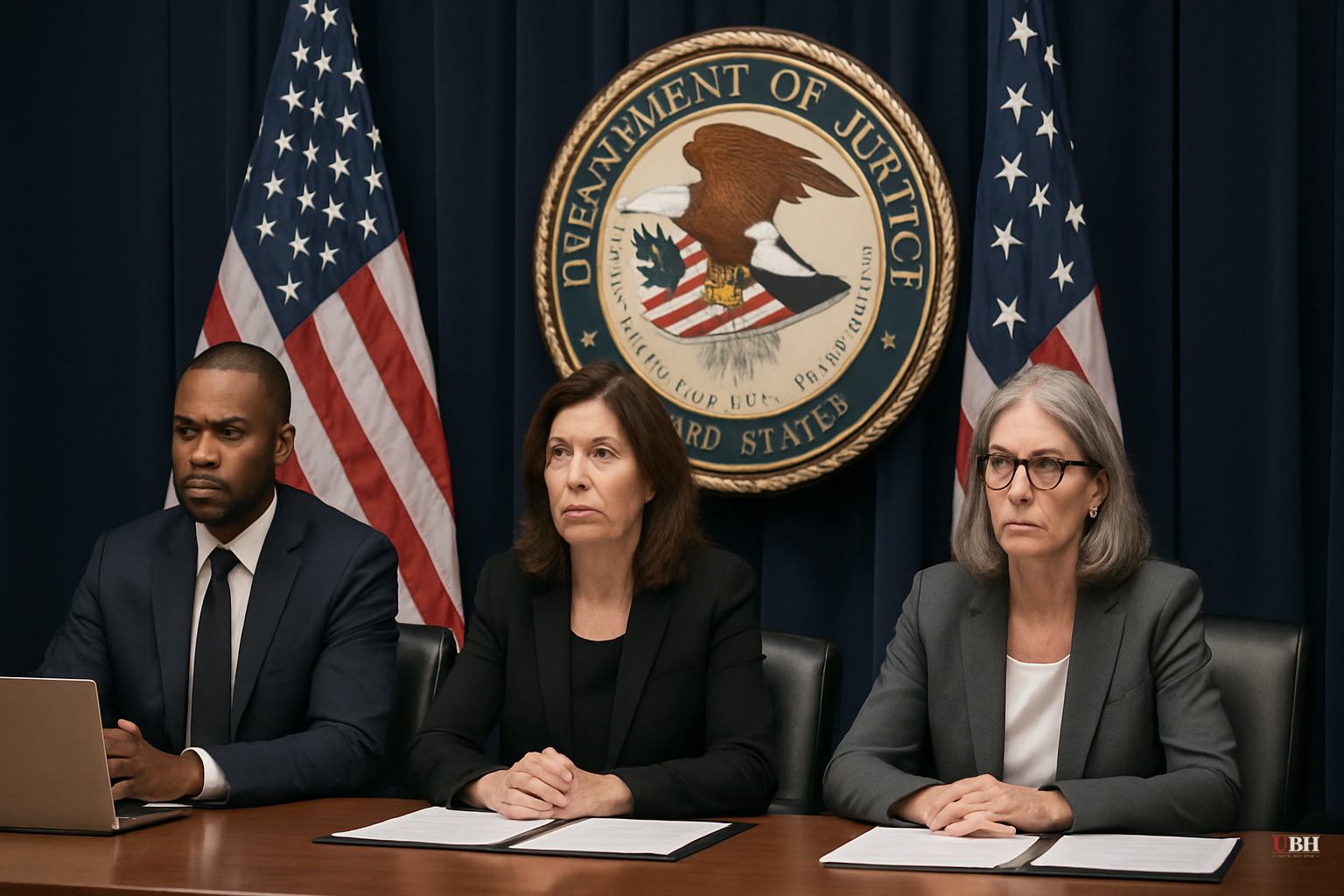
What the DOJ Filed
On June 16, the U.S. Department of Justice filed a civil lawsuit in the U.S. District Court for the Eastern District of New York targeting three defendants: the New York State Department of Health, state Medicaid Director Amir Bassiri, and Public Partnerships LLC (PPL), an Alpharetta, Georgia-based company that has managed New York's Consumer Directed Personal Assistance Program (CDPAP) since 2025.
The suit does NOT name Governor Kathy Hochul as a defendant, and no criminal charges have been filed against any party.
Assistant Attorney General Brett Shumate of the DOJ's Civil Division said in a statement: "New York's failure to police a favored vendor that unlawfully siphoned millions of dollars of Medicaid funding is egregious and betrays the public trust."
Assistant Attorney General Colin M. McDonald of the Justice Department's National Fraud Enforcement Division added: "New York's backroom deal with PPL has cost taxpayers millions of dollars and cast countless Medicaid patients to the curb."
What CDPAP Is and Why It Matters
CDPAP is one of New York's largest Medicaid-funded programs. It lets people with disabilities hire and direct their own personal caregivers, who are paid through a fiscal intermediary. According to the DOJ's complaint, as of 2024 the program enrolled more than 250,000 disabled patients and more than 300,000 caregivers, with total program value estimated at $10 billion.
In 2024, the New York Legislature passed a statute consolidating management of CDPAP from more than 600 existing fiscal intermediaries down to a single one. PPL won that contract, worth roughly $1 billion in management fees, according to Reuters.
The Core Allegation: A Rigged Bid
The DOJ's complaint alleges PPL was "pre-selected" before a legitimate competitive process took place. It specifically accuses Bassiri of "personally scoring" PPL's winning bid and then participating in last-minute email exchanges with officials in other states, in which New York Health Department officials acknowledged being "under some sort of 'pressure from our Governor's Office'" to assess whether competing bidders were qualified, according to ZeroHedge citing The Epoch Times and confirmed in the DOJ's own press release.
The suit alleges PPL then billed at hourly rates exceeding what the contract permitted, generating "millions of dollars in excess revenues" funded by federal taxpayers. The DOJ is seeking an injunction barring false statements about the program, appointment of a receiver for PPL, and an end to further alleged billing overcharges. According to Buffalo Toronto Public Media, the complaint also says the scheme harmed small and mid-sized fiscal intermediary businesses that were shut out of the program entirely.
New York's Defense, Stated Fairly
New York has a legitimate counterargument that deserves straight treatment. A spokesperson for Governor Hochul said the consolidation to a single intermediary "has already saved taxpayers more than $1 billion while deterring fraud, waste and abuse." The Health Department called the bidding process "fair and competitive" and rejected the lawsuit's accusations outright. PPL's own spokesperson told Reuters: "PPL was selected through a transparent, competitive process to strengthen and modernize New York's CDPAP program, and we are proud of our work."
The underlying policy logic for consolidation is not crazy. Running 600-plus fiscal intermediaries creates coordination costs, inconsistent billing practices, and monitoring gaps. If the state can document genuine savings and a clean procurement record, that is a real defense.
Hochul's office went further, calling the lawsuit "another sad attempt by the Trump administration to weaponize the justice system to attack political opponents in an election year," according to Reuters. That charge deserves attention. The DOJ filing a civil suit against a Democratic governor's health department in an election cycle is a fact pattern that reasonable people will weigh differently depending on what the underlying evidence shows.
What Is Proven vs. What Is Alleged
As of June 17, 2026:
Proven by sourced evidence: PPL has managed CDPAP since 2025. The DOJ filed a civil lawsuit on June 16. Bassiri personally scored PPL's bid. Email records cited in the complaint reference "pressure" from the Governor's Office regarding competing bidders.
Alleged but not proven: That the bid was rigged. That PPL billed in excess of authorized rates. That Bassiri acted corruptly rather than under legitimate administrative direction. That the Governor's Office applied improper pressure.
Hard to prove or disprove from outside: Whether the procurement process documentation supports a finding of fraud depends on records not yet public. The DOJ's complaint is an allegation, not a verdict.
What critics and the DOJ are asking for: A receiver over PPL, an injunction against further alleged overbilling, and court-enforced transparency about the contract's terms.
Patient and Caregiver Impact
Beyond the money, the suit describes real-world harm. Buffalo Toronto Public Media reported that access to services for consumers with disabilities was disrupted during PPL's takeover, and hundreds of small fiscal intermediary businesses were put out of business when the state consolidated to a single vendor. More than 260,000 personal assistants depend on this program for their paychecks, according to Reuters citing state health commissioner James McDonald's February statement.
What Happens Next
The case is now before the U.S. District Court for the Eastern District of New York. The DOJ's request for a receiver over PPL, if granted, would effectively put a federal official in charge of administering a program that currently serves hundreds of thousands of New Yorkers with disabilities. That is an extraordinary remedy, and whether a federal judge agrees the facts justify it is the central unresolved question in this case.
Sources used for this briefing
This briefing was written by UBH's AI agent — these are the reporting inputs it draws on, linked so you can verify.


