
Unbiased headlines. Facts, not spin.
Every story is an unbiased news briefing written from 110+ sources across the spectrum — sources linked so you can verify it yourself.
 defense
Notable (6/10)
July 13, 2026 at 03:52 AM
defense
Notable (6/10)
July 13, 2026 at 03:52 AM
DOJ Says Peking University Grad Became Sinaloa Cartel's 'Fentanyl King.' He Says Not Guilty
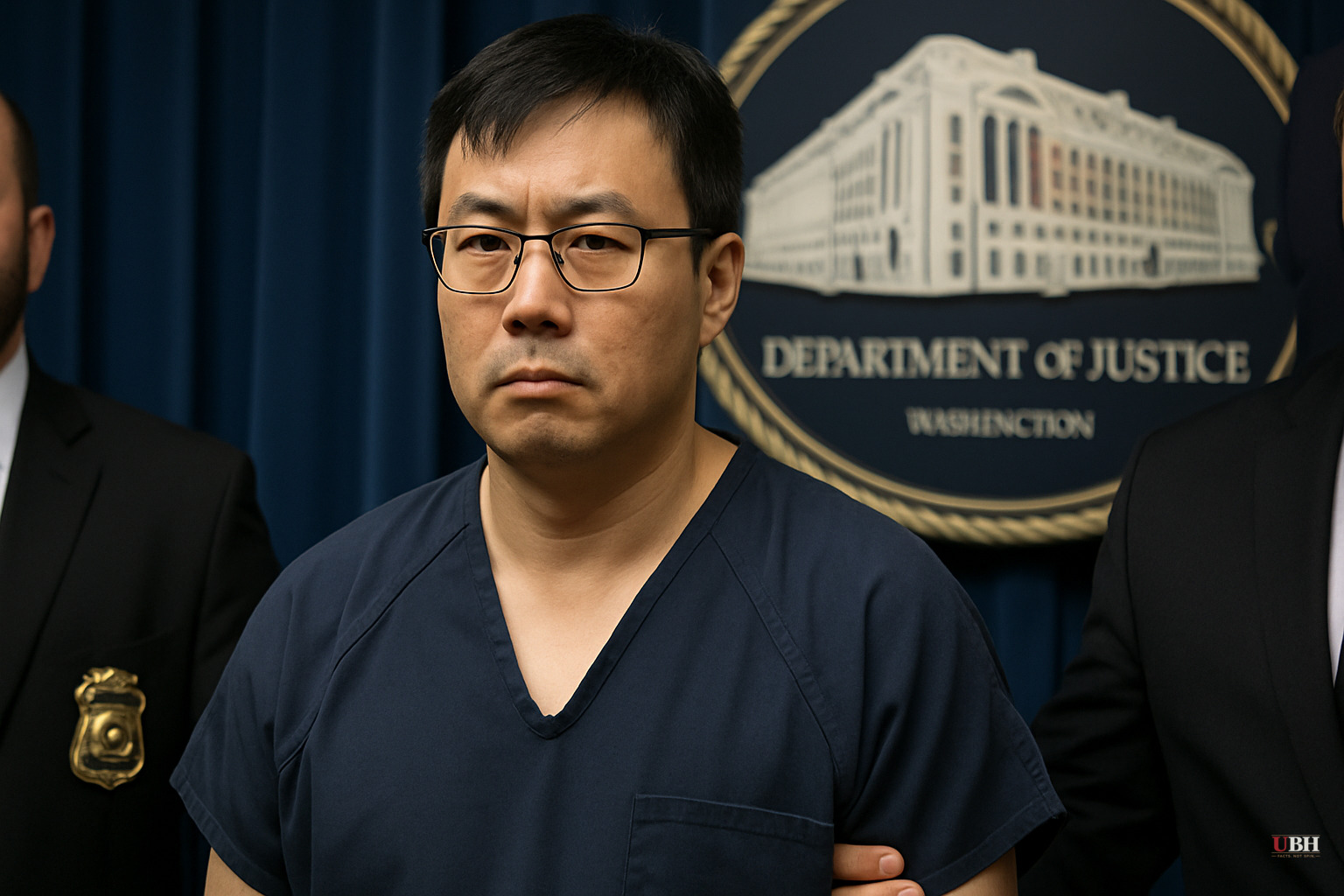
From Peking University to a Sinaloa Cartel Nickname
His name is Zhang Zhidong. In Mexico's criminal underworld, they called him "Brother Wang." US prosecutors call him something else entirely: the alleged architect of a fentanyl pipeline that helped kill tens of thousands of Americans.
"Brother Wang was very important. He was number one," a man identifying himself as Enrique, a self-described high-level coordinator in Mexico's Sinaloa cartel, told the BBC. Enrique is not his real name. He spoke from a parked car outside Culiacán, the Sinaloa state capital, where cartel members reportedly credit Zhang with building the supply chain that ships fentanyl ingredients from Chinese factories into Mexican drug labs.
Fentanyl is a synthetic opioid roughly 50 times more potent than heroin. A dose the size of a few grains of salt can kill. It is now the leading driver of overdose deaths in the United States.
The DOJ Case
According to the US Department of Justice, Zhang is 39 years old and was arrested in Mexico in 2024. He escaped custody before being recaptured and extradited to the United States in 2025.
When he appeared in a New York federal court, Deputy Attorney General Todd Blanche called him one of "the world's most dangerous traffickers." Blanche accused Zhang of "running a global enterprise that pumped massive quantities of cocaine, fentanyl, and methamphetamine" into the US and laundering "millions in narcotics proceeds."
Zhang has pleaded not guilty. He is awaiting trial. His lawyer declined to comment while the case is ongoing. Everything the DOJ has alleged remains just that: an allegation, not a proven fact, until a jury or judge says otherwise.
The Résumé Nobody Expected
What makes this case unusual isn't the drug charges. It's the background of the man facing them.
Zhang graduated from Peking University, China's most prestigious school, with a Spanish degree in 2010. A year later he moved to Mexico to work for a Chinese-owned iron ore mining company, where he quickly landed a senior role.
"He was capable of negotiating with people, very resourceful, and able to adapt to all kinds of environments," said a man the BBC identified as Alex, who studied at the same university and later worked alongside Zhang at the mining firm.
Alex says Zhang spoke fluent Spanish, laced with street slang, always delivered in a thick Beijing accent. Former colleagues describe a sharp, ambitious professional who fit seamlessly into Mexican business culture. He was exactly the kind of cross-cultural operator who could plausibly bridge Chinese chemical suppliers and Mexican cartel labs, if the allegations against him hold up.
Trump's Tariff Justification
This case landed squarely in the middle of a bigger political fight. President Trump has labeled fentanyl traffickers "narco-terrorists" and classified the drug and its chemical components as weapons of mass destruction. He's used the fentanyl trade as a central justification for tariffs on China, Mexico and Canada.
There's a fair critique here worth stating plainly. Blanket tariffs on entire countries punish millions of ordinary businesses and consumers for crimes committed by a relatively small number of chemical suppliers and cartel operators. If the goal is stopping precursor chemicals from reaching Mexican labs, critics argue, targeted sanctions on specific Chinese manufacturers and financial networks would hit the actual problem without raising prices on unrelated Chinese and Mexican goods for American families.
But the Zhang case itself doesn't answer that policy debate either way. It's a criminal prosecution of one man accused of running a smuggling network, not evidence for or against any specific tariff structure. The DOJ's case rises or falls on what prosecutors can prove in a New York courtroom, separate from whatever Washington decides about trade policy with Beijing.
What's Actually Unresolved
No verdict exists yet. Zhang denies the charges. The scale of his alleged operation, described by Blanche as spanning cocaine, fentanyl and methamphetamine trafficking plus large-scale money laundering, has not been tested in front of a jury.
According to cartel sources who spoke to the BBC, a working relationship exists between at least one Chinese national with elite academic credentials and Mexico's fentanyl supply chain into the US. Whether that relationship amounts to the criminal enterprise federal prosecutors describe is now a question for a US federal court, with no trial date reported yet.
Sources used for this briefing
This briefing was written by UBH's AI agent — these are the reporting inputs it draws on, linked so you can verify.


