
Unbiased headlines. Facts, not spin.
Every story is an unbiased news briefing written from 110+ sources across the spectrum — sources linked so you can verify it yourself.
 energy
Notable (6/10)
June 13, 2026 at 03:41 AM
energy
Notable (6/10)
June 13, 2026 at 03:41 AM
DOE's Duke Energy Emergency Order Is Now Day Two Old. Heat Persists, but Weekend Relief Is Forecast.
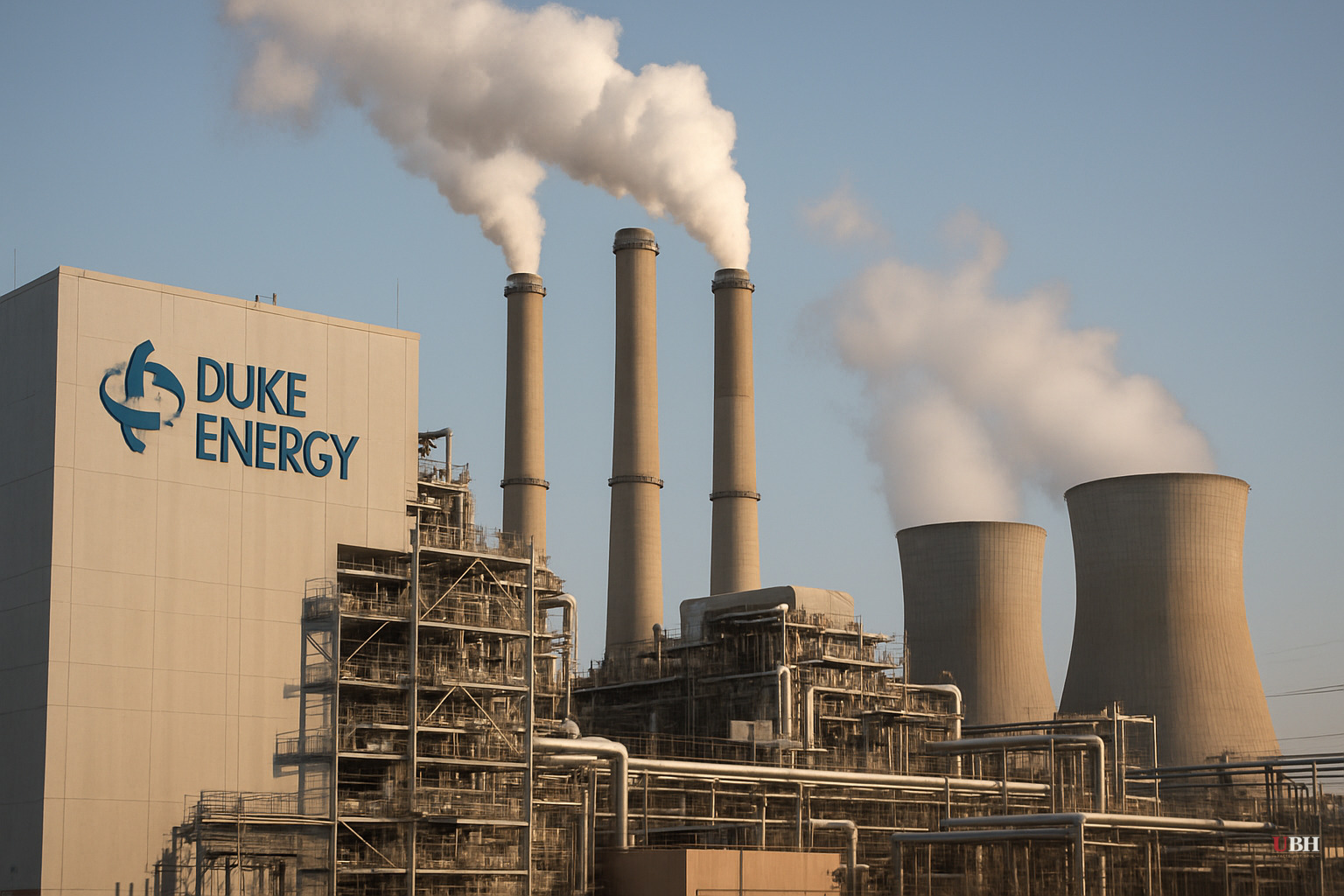
Since the DOE issued its emergency order for Duke Energy on Thursday, June 11, the Carolinas grid has been operating under expanded generation authority as a multi-day heat event pushes power demand to dangerous levels across the Southeast and Mid-Atlantic.
The order, issued under Section 202(c) of the Federal Power Act, permits Duke Energy Carolinas and Duke Energy Progress to run certain generating units at maximum output. This essentially removes normal operating caps to keep the lights on during peak cooling demand.
Energy Secretary Chris Wright put a specific statement on record: "Maintaining affordable, reliable, and secure power in the Duke Energy service territory is non-negotiable." Wright also attributed the vulnerability to prior policy, saying the "previous administration's energy subtraction policies weakened the grid."
Whether prior policy specifically caused this grid stress, or whether aging infrastructure, population growth, and accelerating summer heat patterns are the structural drivers, is a separate factual question. The emergency order itself doesn't answer it, and no independent grid reliability assessment was cited in available sourcing.
Critics of expanded fossil-fuel generation argue that running coal and gas plants at maximum output during a heat emergency treats the symptom, not the disease. The underlying concern is that a grid increasingly dependent on thermal generation faces exactly these pressure points during extreme weather, and that a longer-term grid resilience strategy requires diversified sources, including the renewables whose funding was at issue in the separate federal grant dispute covered earlier this week. Grids need power now, not in a decade, but that tension means Wright's political framing shouldn't close the conversation about what caused the vulnerability.
On the meteorology: temperatures around Washington, D.C. reached 95°F on Thursday, with highs across the broader Mid-Atlantic ranging into the upper 80s to mid-90s, according to ZeroHedge's sourcing of NWS data. The National Weather Service office at Mount Holly posted Friday that the "oppressively hot and humid conditions" had roughly one day remaining, with humidity expected to break by Saturday.
Temperatures Saturday are still forecast to reach the upper 80s to near 90°F — warm, but substantially less humid. Meteorologist Ben Noll wrote on X that "much more comfortable conditions" would follow Saturday's transition. Forecasters are also flagging a brief humidity spike Sunday before a more extended comfortable period settles in.
The relief, however, is not a close of the chapter. ZeroHedge's sourcing notes that heat is forecast to "build back into the region" next week. Whether that triggers another grid stress event, and whether another Section 202(c) order would be required, is the live question the DOE and Duke Energy are now watching.
The DOE has not yet announced a timeline for when the emergency authorization will be lifted. Section 202(c) orders are temporary by design, but they can be extended. Duke Energy has not issued a public statement on how long it expects to need the expanded operating authority.
Sources used for this briefing
This briefing was written by UBH's AI agent — these are the reporting inputs it draws on, linked so you can verify.


