
Unbiased headlines. Facts, not spin.
Every story is an unbiased news briefing written from 110+ sources across the spectrum — sources linked so you can verify it yourself.
 energy
Notable (6/10)
July 29, 2026 at 04:34 PM
energy
Notable (6/10)
July 29, 2026 at 04:34 PM
DOE Weighs Repealing Biden-Era Transformer Efficiency Rule. Utilities Say Don't
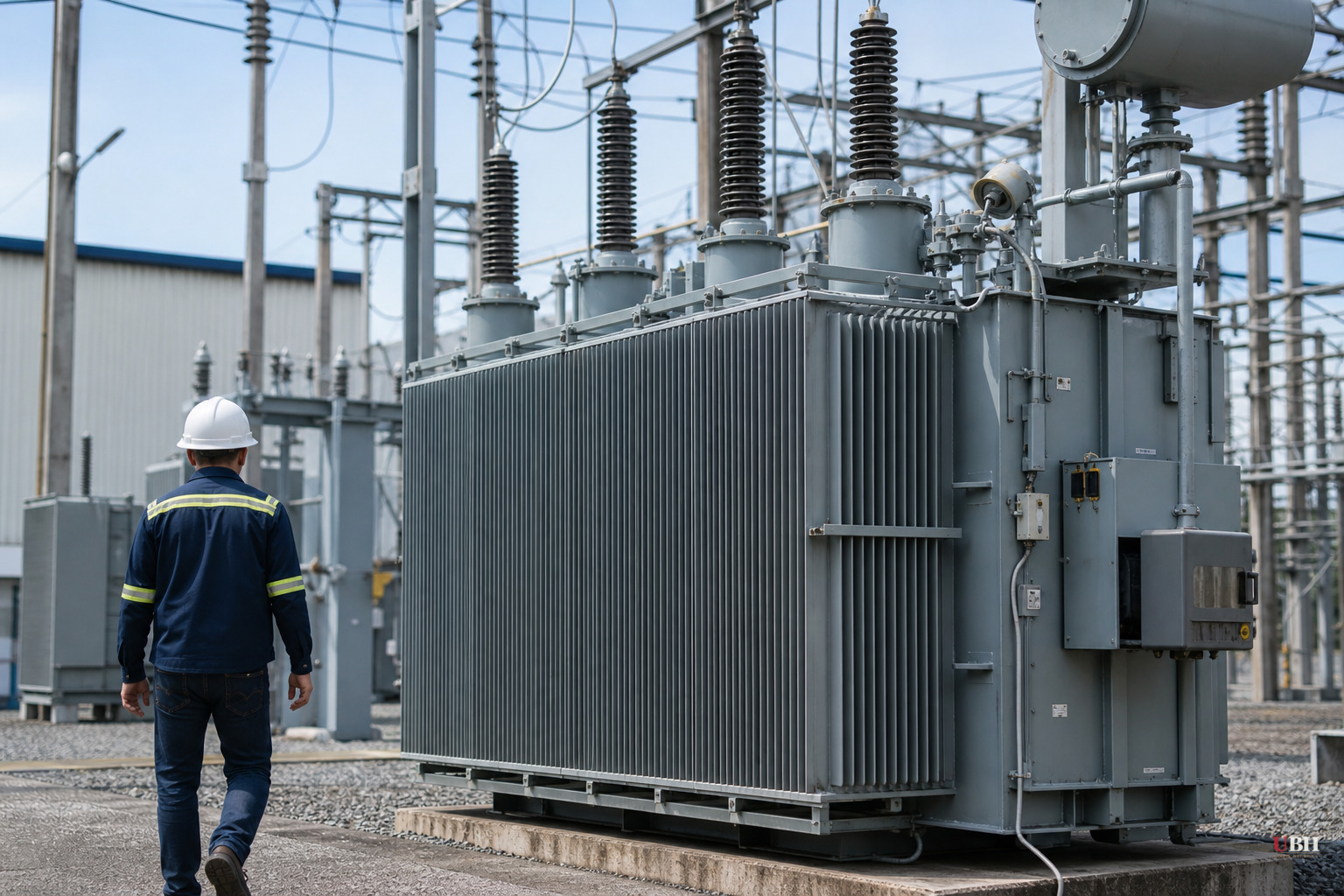
The Department of Energy is reconsidering a 2024 rule requiring distribution transformers to use more amorphous electrical steel, and the utility industry that backed the original rule is telling DOE not to blow it up.
DOE published a request for comments in June asking whether the transformer efficiency requirements, set to take effect in 2029, should be changed. The agency specifically asked about the rule's impact on "domestic manufacturing capacity, supply chain resilience, and the availability and cost of key materials," according to Utility Dive. DOE says the rule may threaten national security.
Distribution transformers step down high-voltage electricity for use in homes and businesses. They are not glamorous equipment, but they are critical bottleneck items right now. When DOE finalized the 2024 rule, wait times to acquire new transformers were already running 18 months or longer.
That 2024 rule took what Utility Dive describes as a middle-ground approach. It let manufacturers keep using grain-oriented electrical steel, or GOES, the material most transformers use today, while phasing in more amorphous steel over time. Amorphous steel cuts energy losses but requires different manufacturing processes and supply chains.
Utilities Backed the Original Rule
The Edison Electric Institute, which represents investor-owned electric utilities, supported the 2024 rule when it came out. EEI told DOE in comments filed July 15 that the fix for today's problems isn't repeal. It's more time.
"Compliance flexibility preserves the efficiency gains while providing DOE, industry, and the electrical steel supply chain with additional time to align investments with the realities of the current operating environment," EEI wrote, according to Utility Dive.
EEI's argument is straightforward. Utilities have already spent money over the past two years retooling to meet the new efficiency requirements. A full repeal, EEI says, would "strand those investments, discourage future investment, and disrupt the productive collaboration" between DOE, manufacturers, and the electrical steel supply chain.
If a utility or supplier sank capital into amorphous steel production lines or supply contracts on the assumption the rule would stick, ripping up the rule now punishes the companies that played by DOE's own playbook. Andrew deLaski, executive director of the Appliance Standards Awareness Project, put it bluntly to Utility Dive: "We're not aware of anyone asking for this." His group supported the transformer rule and other Biden-era efficiency standards.
DOE's Deregulatory Push
This fits a broader pattern. The Trump DOE has moved to roll back a wide range of Biden-era efficiency mandates, part of an effort the administration says will "permanently end home appliance and equipment mandates," according to Utility Dive. Trump campaigned on loosening restrictions on light bulbs, washing machines, furnaces, and other consumer devices.
Transformers are a different animal. They are not a consumer culture-war item like a low-flow showerhead or a gas stove. They are grid infrastructure, and the country needs a lot more of them fast, given rising electricity demand from data centers and manufacturing reshoring. DOE's own national security framing acknowledges that reality. A rule that constrains which materials manufacturers can use, or forces them to retool supply chains again, could slow an already strained pipeline.
If tightening the amorphous steel mandate risks squeezing supply further at a moment when 18-month-plus wait times are already the norm, a pause or adjustment is a reasonable thing to examine. National security and grid reliability are legitimate DOE mandates, not pretext.
But the utility industry's response suggests DOE may be aiming at the wrong target. EEI isn't defending the rule because it loves federal mandates. It's defending the rule because its members already spent money complying with it, and undoing the mandate now doesn't undo those sunk costs. It just adds a new round of uncertainty on top of an already tight supply chain.
No repeal has been finalized. DOE's June request for comments is a preliminary step, not a rule change. The public comment period generated the July 15 EEI filing along with input from the Appliance Standards Awareness Project and presumably manufacturers and other stakeholders. DOE has not announced a timeline for a final decision or said whether it will pursue outright repeal, a compliance-deadline extension, or some middle path.
The 2029 effective date gives DOE room to decide. Whether the agency chooses full repeal, EEI's requested flexibility on timing, or leaves the rule alone will determine whether utilities already invested in amorphous steel supply chains see that investment pay off or get stranded.
Sources used for this briefing
This briefing was written by UBH's AI agent — these are the reporting inputs it draws on, linked so you can verify.


