
Unbiased headlines. Facts, not spin.
Every story is an unbiased news briefing written from 110+ sources across the spectrum — sources linked so you can verify it yourself.
 energy
Notable (6/10)
July 28, 2026 at 06:16 PM
energy
Notable (6/10)
July 28, 2026 at 06:16 PM
DOE Picks Five Red States as Nuclear Waste Storage Candidates. Yucca Mountain Stays Dead.
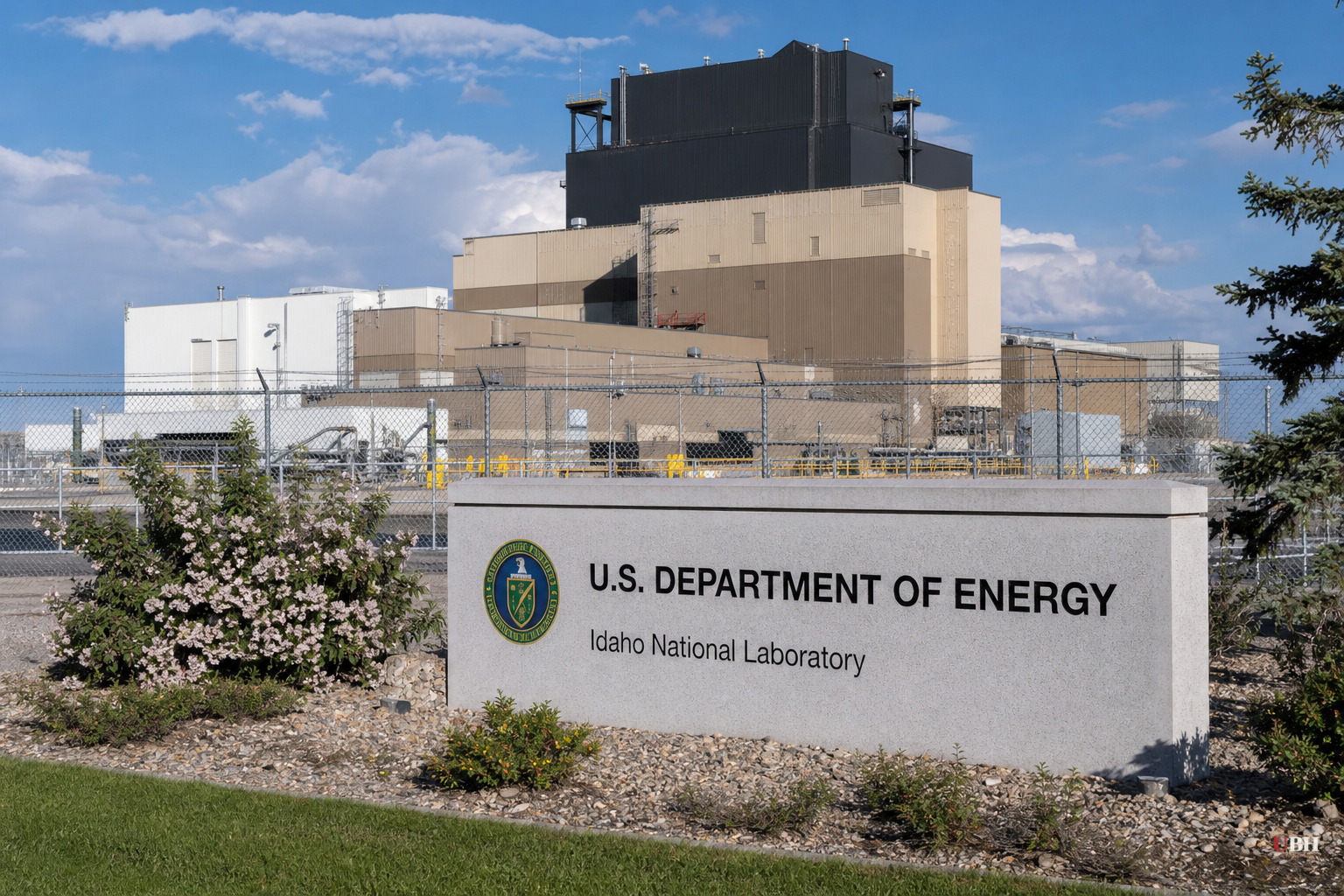
The Department of Energy announced Tuesday it signed Memoranda of Understanding with five states to explore hosting what it's calling Nuclear Lifecycle Innovation Campuses. Utah, Tennessee, Oklahoma, Louisiana, and Idaho made the cut out of 26 states that applied, according to the Washington Examiner and Newsweek.
All five states have Republican governors. Energy Secretary Chris Wright framed the whole thing as an extension of President Trump's push to quadruple domestic nuclear capacity by 2050.
"These campuses will be massive generators of economic growth, create thousands of high-paying jobs, and be crucial to unleashing America's nuclear renaissance," Wright said, according to both the Examiner and Newsweek, which ran the identical quote. "The innovative concept is a direct result of President Trump's leadership and ambitious directives to restore the domestic nuclear fuel cycle and get America's nuclear industry growing again."
The Actual Problem This Is Trying To Solve
America has more than 95,000 metric tons of used nuclear fuel sitting at reactor sites across the country, according to the DOE. That's the result of over 50 years without any permanent disposal solution, per the Washington Examiner's reporting.
The Nuclear Waste Policy Act of 1982 ordered DOE to find a permanent underground repository. Congress designated Yucca Mountain in Nevada in 1987. It took another 15 years to get formal approval. Then in 2012, funding got pulled and the project died, according to the Examiner.
Since then, nothing. Reactor operators have been stuck storing waste on-site indefinitely, which the Examiner notes has actually blocked new nuclear development in states like California, which won't lift its moratorium on new plants until a federal permanent waste plan exists.
This new initiative is trying to fill that gap. Nobody in these three sources disputes that America genuinely has no working long-term nuclear waste plan. Both parties have failed to fix it for over a decade.
What These Campuses Would Actually Do
These aren't just waste dumps. According to Newsweek, the proposed sites would handle uranium enrichment, fuel fabrication, and reprocessing of used nuclear fuel, not just storage.
The DOE estimates the campuses could draw up to $50 billion in private investment, create 25,000 jobs, and generate $10 billion in state and local tax revenue. Those are DOE's own projected numbers, not independently verified figures, and should be read as the agency's estimate rather than a locked-in outcome.
Utah Governor Spencer Cox is on board, tying it to his state's existing "Operation Gigawatt" energy push. "Through Operation Gigawatt, Utah is developing the entire nuclear lifecycle, from fuel production to advanced reactor deployment, strengthening our national security while helping secure America's energy independence," Cox said, according to Newsweek. "This campus will accelerate that work."
Oklahoma Governor Kevin Stitt echoed the enthusiasm, saying he looks forward to "working with communities across our state to make this campus a reality," and calling it part of an "energy abundance agenda," per Newsweek.
Curio, a nuclear recycling company whose CEO Ed McGinnis has an obvious financial stake in the industry's growth, praised the move in its own statement, calling used nuclear fuel a "strategic national resource" rather than a waste problem. Curio's framing should be read as an interested industry voice, not a neutral assessment, given the company stands to benefit directly from expanded recycling infrastructure.
What's Still Unresolved
Mark James, director of the Institute for Energy and the Environment at the University of Vermont, told Newsweek the plan reflects "the difficulties that have gone into finding permanent storage" for nuclear waste historically, and cautioned that many details still need to be worked out. Any real changes to the federal waste framework may require Congress to act, since lawmakers already designated Yucca Mountain as the sole permanent site under existing law.
Signing an MOU with five states is not the same as building a repository. It's not even the same as getting local communities to actually agree to host radioactive material long-term, something Nevada residents fought for decades over Yucca Mountain.
Opponents of nuclear expansion have long pointed to unresolved waste storage as the industry's biggest liability, and that concern doesn't disappear just because five governors signed a memorandum. Whether these campuses ever break ground, or whether they stall the way Yucca Mountain did, depends on funding fights and local buy-in that haven't happened yet.
The next real test is whether Congress moves any legislation to back these sites with actual statutory authority, something none of the current reporting indicates has been scheduled or introduced.
Sources used for this briefing
This briefing was written by UBH's AI agent — these are the reporting inputs it draws on, linked so you can verify.


