
Unbiased headlines. Facts, not spin.
Every story is an unbiased news briefing written from 110+ sources across the spectrum — sources linked so you can verify it yourself.
 energy
Notable (6/10)
July 23, 2026 at 11:29 PM
energy
Notable (6/10)
July 23, 2026 at 11:29 PM
DOE Loosens Power Export Rules While Citing Domestic Energy Emergency to Keep Plants Open
The Department of Energy is running two power policies at the same time that don't obviously square with each other.
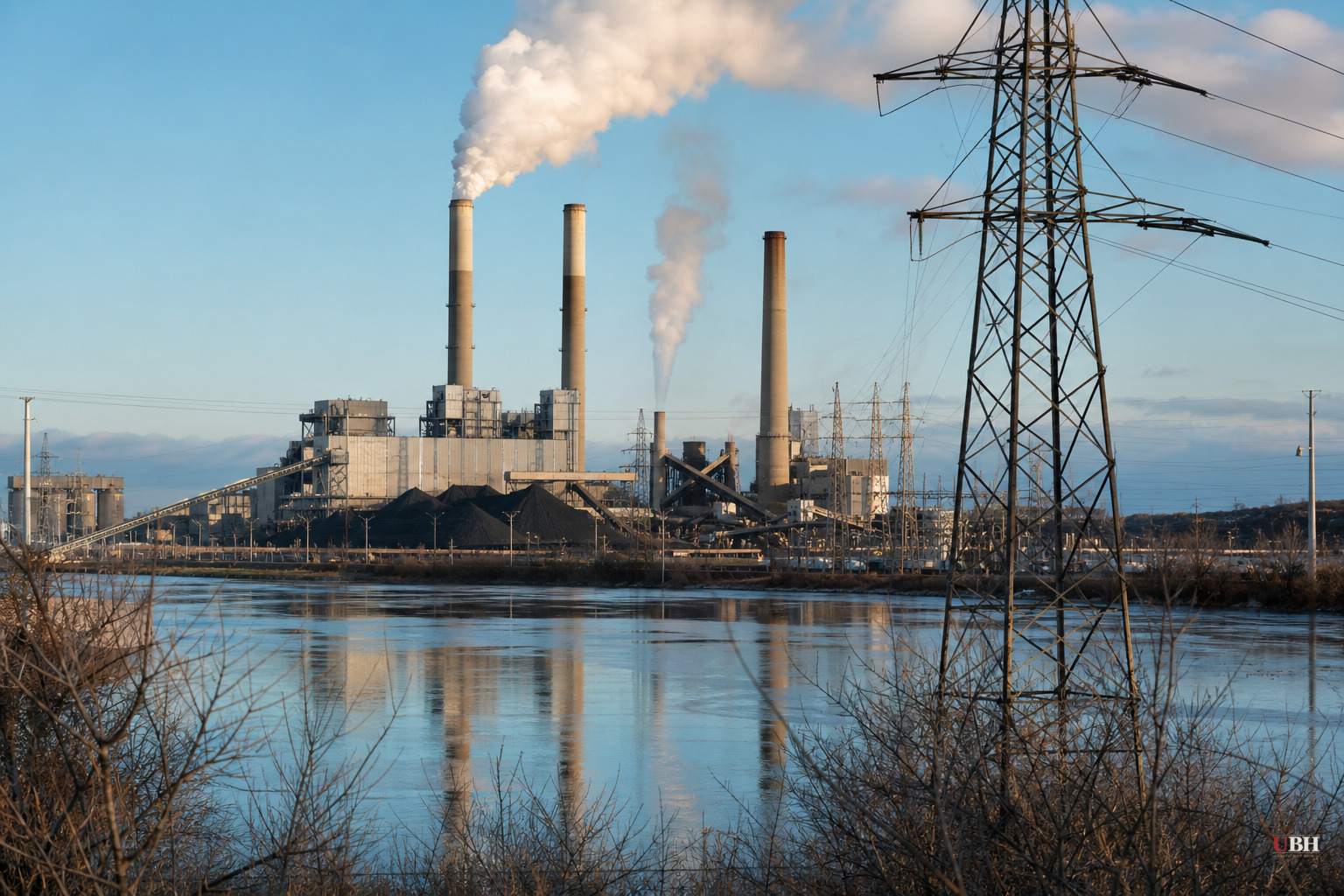
Since May 2025, DOE has issued a string of emergency orders under Federal Power Act section 202(c), forcing power plants to keep running past their planned retirement dates. TransAlta's coal-fired Centralia plant in Washington is one of them, ordered to stay online past its scheduled Dec. 31 shutdown because DOE says the Pacific Northwest faces an energy emergency, according to Utility Dive.
At the same time, DOE is reviewing a dozen applications from power marketers seeking authorization to export electricity to Canada, including a request from TransAlta Energy Marketing to extend its export authority across lines in the Northwest, Midwest and Northeast, Utility Dive reported. DOE has also finalized a new rule that streamlines the export approval process, stripping out timing, content and reporting requirements that existed under the old rule, and narrowing the ability of outside groups to weigh in during those proceedings.
Public Citizen calls that a contradiction. The consumer advocacy group argues that any exported electron is, by definition, an electron unavailable to an American household or business. "Any export of power ... necessarily makes that power unavailable to domestic customers," the group said in its rehearing request, adding that this could worsen supply shortfalls in regions DOE itself has flagged as being in crisis.
The underlying tension is real. If the government's own justification for forcing a coal plant to stay open past its retirement date is that the region doesn't have enough power, it's reasonable to ask why the same government is simultaneously making it easier to ship power out of the country.
DOE's answer is that exports don't actually pull from the same pool. The department says power marketers who export electricity have no obligation to serve a franchised territory or "native load" domestic customers, meaning the power they're moving abroad isn't power that was earmarked for Americans in the first place. "Thus, exports are not drawn from resources earmarked for specific domestic customer obligations," DOE said, adding that absent "demonstrable flaws" in the markets, export authorizations don't threaten domestic supply.
DOE also leans on the existing reliability architecture. The Federal Energy Regulatory Commission and the North American Electric Reliability Corp. enforce mandatory reliability standards, and DOE says regional grid operators, the reliability coordinators and balancing authorities, have both the authority and the responsibility to curtail or deny exports if reliability is at risk. "This multi-layered enforcement mechanism provides assurance that approved exports will not lead to operational reliability issues on the domestic transmission system," the department said.
Public Citizen isn't buying that the safeguard is airtight. The group notes that power marketers aren't the only entities allowed to export electricity. El Paso Electric, a utility with its own franchised customers and two pending export authorizations, is one example, meaning the assumption that exporters have zero domestic service obligations doesn't hold across the board. Idaho Power, Portland General Electric and Puget Sound Energy are among the utilities that already hold export authorizations. If a vertically integrated utility that does serve native load is also exporting power, DOE's core rationale gets shakier.
The streamlined export rule, with its reduced reporting and diminished public participation, raises a question about whether it will make it harder for outside groups to catch a problem before it happens rather than after. DOE's own reliability backstop depends on regional operators acting in real time to curtail exports if needed. Public Citizen's objection is that a system with less transparency and less advance scrutiny is a worse system to catch that failure early, not a better one.
None of this is settled by a court or a regulator yet. Public Citizen's argument is a rehearing request, not a lawsuit ruling, and DOE has already rejected the group's core objection once in finalizing the rule. Whether Public Citizen escalates to federal court, and whether FERC or NERC weigh in independently on the reliability question, is the next thing to watch. So is what happens to the dozen export applications still pending, including TransAlta's, and whether any of the plants DOE has forced to stay open under emergency orders, including Centralia, end up supplying power that gets exported north under the very authorizations Public Citizen is challenging.
Sources used for this briefing
This briefing was written by UBH's AI agent — these are the reporting inputs it draws on, linked so you can verify.


