
Unbiased headlines. Facts, not spin.
Unbiased Headlines is an independently owned news organization. We bring you the facts, not opinions, written fresh from 110+ named sources. Sources linked so you can verify it yourself.
 energy
Notable (6/10)
energy
Notable (6/10)
DOE Kills Three Biden-Era Transmission Corridors, Including One Through Nebraska Reservations
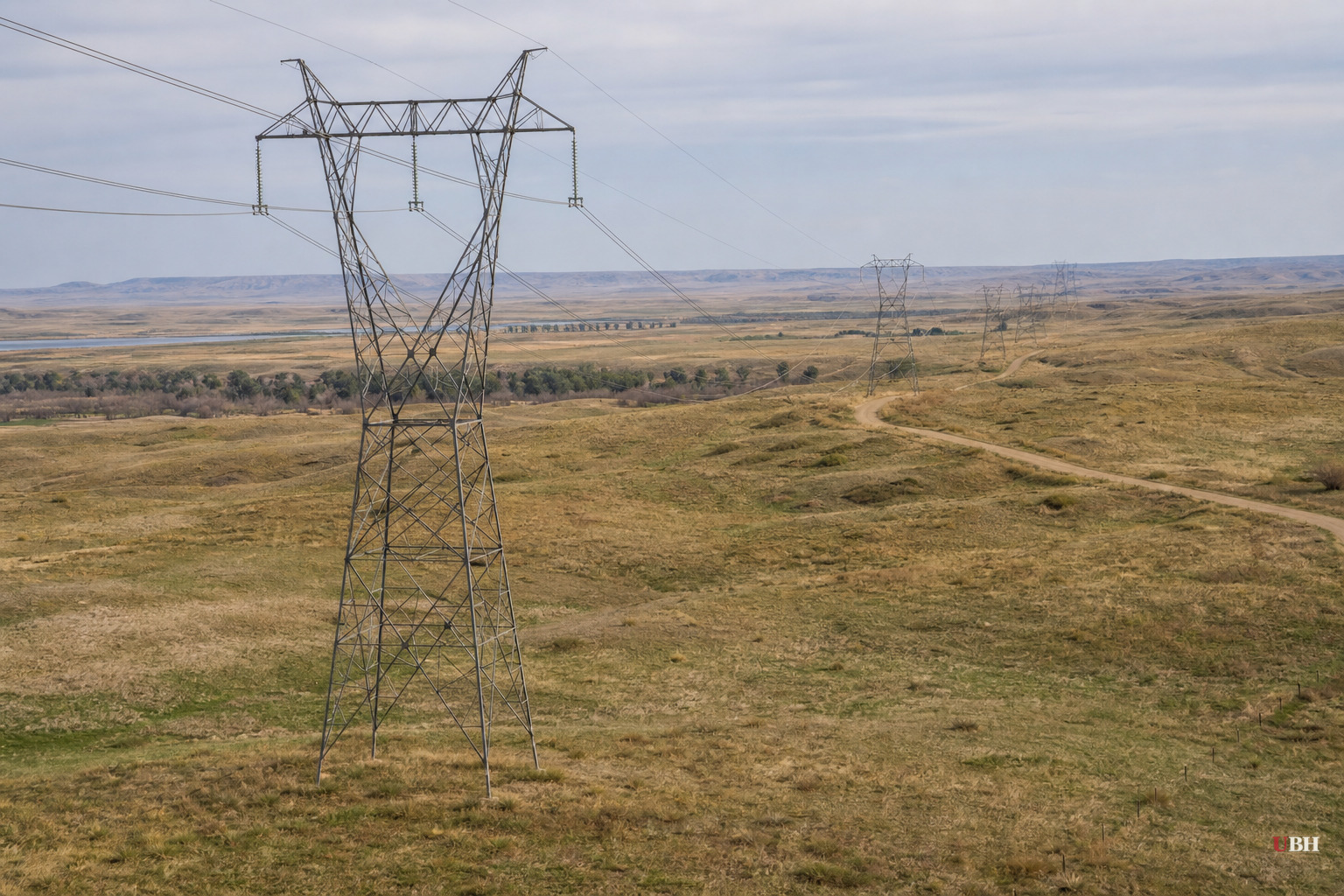
Energy Secretary Chris Wright announced Wednesday that the Department of Energy will not designate three proposed National Interest Electric Transmission Corridors first selected under the Biden administration in December 2024, killing projects meant to link the Southwest, the Great Plains, and the Mid-Atlantic to Canada.
The three corridors were the Lake Erie-Canada Corridor, the Southwestern Grid Connector, and the Tribal Energy Access Corridor. The last one would have cut through north-central Nebraska and the Pine Ridge and Rosebud reservations, according to NewsChannel Nebraska.
"Transmission policy must serve the American people, not special interests or a climate-alarmist agenda that drives up costs, worsens reliability, and disregards the concerns of local communities," Wright said in the DOE announcement. He called the Biden-era effort part of a "Green New Scam agenda."
The corridors were designed to speed up permitting for long-distance transmission lines, a process that can otherwise take more than a decade, according to reporting from NOTUS. The Environmental Defense Fund's Ted Kelly said the corridors would have helped communities facing high electricity costs and unreliable power get built out faster.
Why Communities Pushed Back
These corridors were genuinely unpopular in many of the places they crossed. NOTUS reported the designations were "politically radioactive" with local communities that didn't want more federal control over development on their land, and Republican officials in those states objected loudly.
Landowners and tribal communities have a real stake in who controls development on their property, and a top-down federal designation that overrides local input deserves scrutiny regardless of the underlying policy goal. The DOE said its decision followed "extensive review, including public feedback and stakeholder input."
Rob Gramlich, founder of transmission consulting firm Grid Strategies, told NOTUS the reversal shows a deeper problem: "I think it reinforces how dysfunctional the whole NIETC construct is. There's no reason to have DOE in the middle of the process making designations that get reversed with each new administration." This critique addresses the system itself, independent of which party is in charge.
The Bigger Pattern at DOE
This cancellation doesn't happen in isolation. Wisconsin Watch reported that Alliant Energy called off a Wisconsin project meant to cut power outages in disadvantaged and tribal communities after DOE terminated the federal grant behind it. The Sacramento Municipal Utility District says it hasn't gotten DOE reimbursement since October for smart meter upgrades already completed. A Midwest grid consortium is still waiting on $464 million in promised transmission funding, though the agency overseeing the project says that money will be restored.
According to an April report from the DOE Alumni Network, a group of former agency staff, DOE has terminated 356 grant awards worth $12.5 billion since January 2025 and threatened another 303 awards worth $12.2 billion. The report also found DOE has left many other awardees in limbo without formally canceling them, stalling continuation applications and dispute resolutions indefinitely.
That pattern raises a separate and more serious question than the NIETC cancellation. In July court filings reported by Utility Dive, DOE conceded that its October 2025 decision to cancel $7.6 billion in clean energy grants was made without any programmatic, statutory, cost, or performance justification. The filing stated the cancellations were based "solely on the political identity of the grant recipient's state."
This is a documented admission in a court filing, not an allegation from an advocacy group. Rep. Rosa DeLauro called it proof the administration is "weaponizing the federal funding process to punish people who did not vote for President Trump." Sierra Club's Holly Bender said the administration is ignoring "job losses, air pollution, and increasing bills" tied to the cuts. A DOE spokesperson told the New York Times a separate initial review of the canceled grants was conducted without political considerations, which is difficult to reconcile with the department's own July court filing on the October cancellations specifically.
What's Still Moving
DOE hasn't walked away from transmission entirely. The agency has issued billions in loans for other transmission projects in the Midwest and South, and it's moving forward on the North Plains Connector, a line meant to link the eastern and western U.S. grids. Ashley Kang of Grid United, the company building that project, called DOE "a fantastic lead agency" on permitting coordination there.
That project is expected to receive its completed environmental impact statement from DOE, though no date has been confirmed in available records.
The unresolved question is whether the NIETC cancellations reflect a genuine policy judgment about federal overreach into local land-use decisions, or whether they fit the same pattern the July court filing describes for the $7.6 billion in grant terminations. DOE has not been asked in public reporting to reconcile those two positions, and no new legislative fix for the underlying transmission permitting bottleneck has been proposed by either party.
Sources used for this briefing
6 links from 6 independent newsrooms (syndicated copies of the same report count once)
These are the sources it draws on, linked so you can verify.


