
Unbiased headlines. Facts, not spin.
Every story is an unbiased news briefing written from 110+ sources across the spectrum — sources linked so you can verify it yourself.
 energy
Notable (6/10)
July 26, 2026 at 05:15 PM
energy
Notable (6/10)
July 26, 2026 at 05:15 PM
DOE Clears Molten Salt Reactor Design From Texas University, A First For This Nuclear Technology
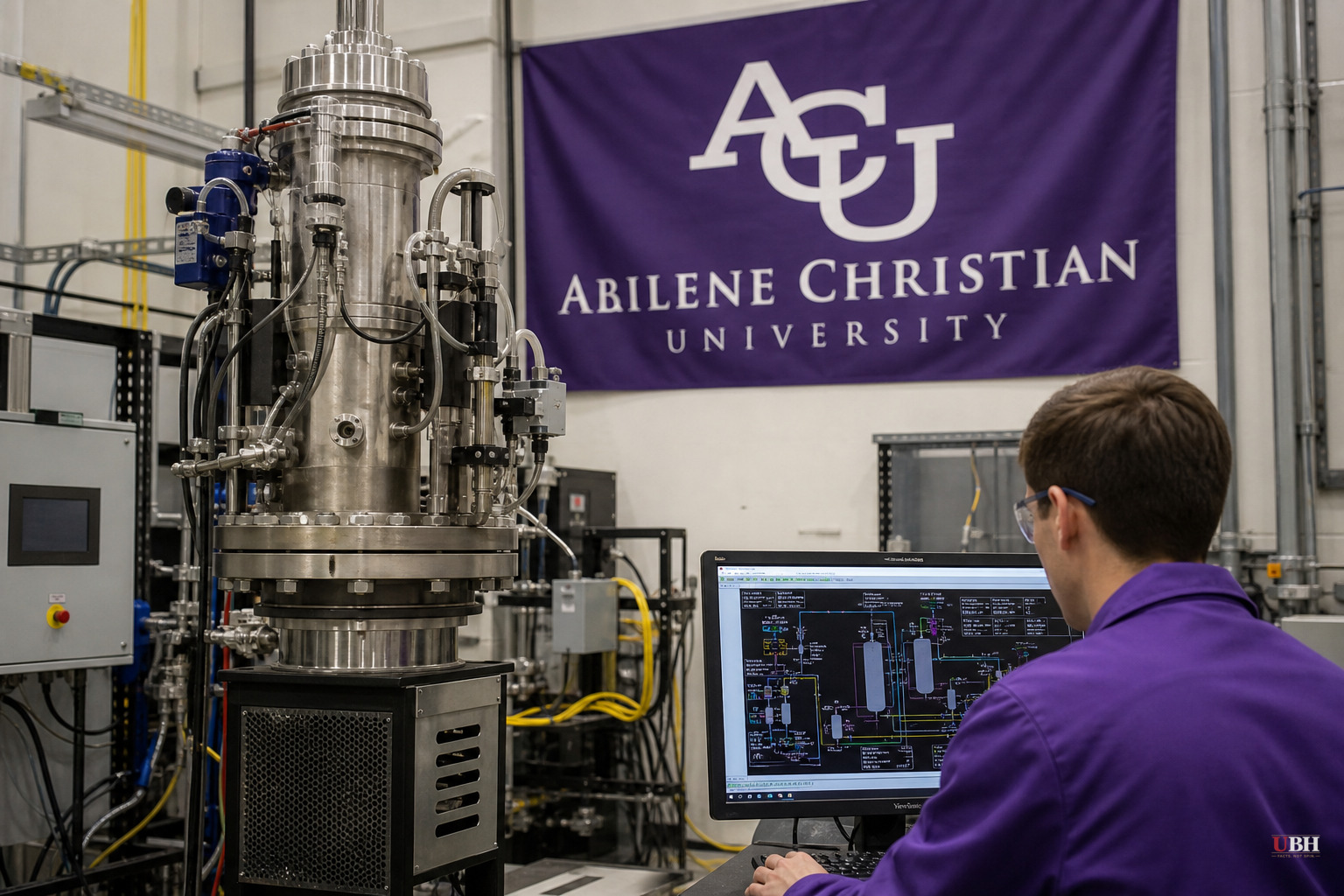
The Department of Energy this month approved a Nuclear Safety Design Agreement for a molten salt reactor under development at Abilene Christian University in Abilene, Texas. It's the first time federal regulators have granted this kind of approval for a molten salt design, according to a report from Interesting Engineering.
This isn't a green light to build a working power plant. It establishes what Interesting Engineering described as the "baseline parameters required for federal authorization of facility construction and system testing." In other words, it's a checkpoint on a long regulatory road, not the finish line.
What Makes Molten Salt Different
Traditional nuclear reactors use solid fuel rods and water for cooling. Molten salt reactors work differently. They use liquid fuel dissolved in molten salt, and that same salt also serves as the coolant.
The Department of Energy says this design choice matters. "MSRs are designed to use less fuel and produce shorter-lived radioactive waste than other reactor types," the agency states. The department also says the technology can process fuel while the reactor is running, removing waste and adding fresh fuel without the extended refueling shutdowns that traditional plants require.
That online refueling capability, if it works at commercial scale, could change the economics of nuclear power. Traditional reactors sit offline for weeks during refueling. A reactor that doesn't need that downtime runs more, and running more means producing more electricity per dollar spent building it.
The Water Problem This Could Solve
Standard nuclear reactors need massive amounts of water for cooling. That's a vulnerability when rivers run low or run hot.
France found this out directly. Just this month, a heat wave pushed river temperatures too high to be used safely for cooling, forcing the country to take a slew of its nuclear reactors offline.
Molten salt reactors sidestep that problem because the salt itself handles both fuel containment and cooling. No river water required. For a country facing heat waves and hot rivers, that's an advantage over the current fleet.
Still Experimental
None of this means molten salt reactors are ready to power American homes next year. These reactors are still in an experimental phase. Oak Ridge National Laboratory in Tennessee is doing foundational work modeling how molten salt behaves under reactor conditions, research that feeds directly into how these systems get designed for practical application.
Abilene Christian University's project is further along on the regulatory side, but building and testing a full-scale demonstration reactor is still ahead of it. Molten salt chemistry is corrosive and difficult to manage over long periods.
Skeptics of accelerated nuclear timelines have a fair point here. Advanced reactor designs have a long history of missing cost and schedule targets, and critics have argued the administration's focus on next-gen technologies like MSRs could undermine its broader nuclear goals by chasing what one Wall Street Journal op-ed called "unproven technology" instead of encouraging investment in large-scale conventional reactors. A single regulatory approval doesn't erase the engineering challenges around salt corrosion and materials durability that still need to be solved before this technology generates a single watt for the grid.
Political Backdrop
The approval lands amid a broader push from the Trump administration to expand nuclear power, both conventional and advanced. The administration has stated its goal is to "produce lasting American dominance in the global nuclear energy market."
That ambition is colliding with a real demand problem. Data center buildout for artificial intelligence is straining electric grids across the country, and utilities are scrambling for reliable, round-the-clock power sources that don't depend on weather. Nuclear, whether conventional or next-generation, is one of the few options that fits that description.
The backdrop also includes global competition. China claims to have already built an operational thorium-based molten salt reactor that it says achieved first criticality in October 2023 and has since been generating heat through nuclear fission.
What Comes Next
The Nuclear Safety Design Agreement is a formal step toward federal authorization of facility construction and system testing, but it is not itself a construction permit or operating license. Abilene Christian University's team still needs to move through additional regulatory stages before any construction or system testing can begin, and no timeline for a working demonstration reactor has been made public.
The open question is how fast the rest of the licensing process moves, and whether ongoing materials research at Oak Ridge resolves the corrosion and durability issues that still stand between this technology and commercial use. Nobody involved has said when, or if, the first commercial molten salt reactor could go online.
Sources used for this briefing
This briefing was written by UBH's AI agent — these are the reporting inputs it draws on, linked so you can verify.


