
Unbiased headlines. Facts, not spin.
Every story is an unbiased news briefing written from 110+ sources across the spectrum — sources linked so you can verify it yourself.
 health
Notable (5/10)
June 13, 2026 at 07:31 AM
health
Notable (5/10)
June 13, 2026 at 07:31 AM
Doctors Without Borders Internal Report Found 59 Abuse Allegations and 18 Staff Dismissals in Chad Refugee Camps
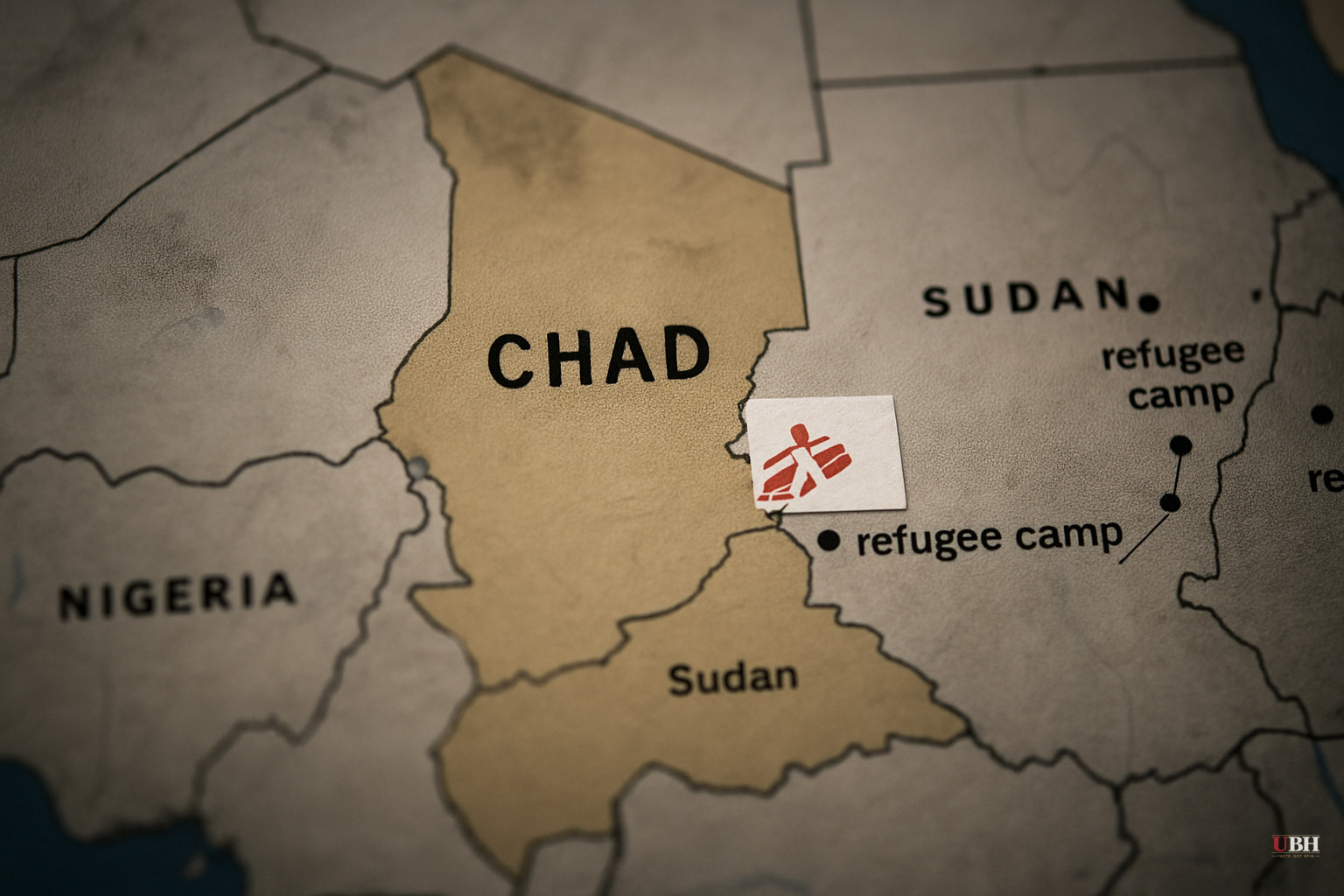
What the Report Says Doctors Without Borders — also known by its French acronym, MSF — completed an internal investigation report in July 2025. The Associated Press obtained the confidential memo and reported its contents on June 13, 2026. The report documented 59 allegations of misconduct ranging from sexual harassment to outright exploitation and abuse. Eighteen staff members, both local hires and foreign workers, were dismissed and permanently barred from future MSF employment. Some of the abuse involved underage girls. In other cases, staff allegedly traded food or job opportunities for sex with refugees — people who had fled Sudan's civil war and had no other safety net. The report flagged that the pattern of repeated exploitation suggested potentially organized "sexual trafficking," though it stopped short of a definitive conclusion.
How This Started MSF launched the investigation in response to AP's own earlier reporting
In 2024, AP journalist Sam Mednick documented accounts from women in displacement sites along the Chad-Sudan border who said humanitarians and local security forces had offered money, aid access, and jobs in exchange for sex. MSF's internal report explicitly credited AP as playing "a fundamental role as an external whistleblower." One of the world's most prominent aid organizations needed a news outlet to surface abuse its own internal systems had missed. The memo also stated the findings likely represent only a fraction of what actually occurred. Many women were hesitant to speak openly, according to AP's reporting.
MSF's Response In written statements provided to AP, MSF called the memo "a candid
internal analysis" that identified where its systems failed. The organization said the 59 allegations "represent a serious breach of MSF's values and responsibilities, and we deeply regret the harm caused." MSF also noted that the Chad operation had been allocatedextra resources specifically to combat and prevent abuse, which makes the findings harder to dismiss as a resource problem. The organization operates in some of the world's most volatile settings, and the memo itself acknowledged that context creates structural vulnerability.
The Legitimate Defense
It is fair to acknowledge the strongest argument in MSF's favor: the organization did not suppress this. It launched a monthslong internal investigation, dismissed 18 staff members, documented the failures in writing, and when AP obtained the memo, characterized it honestly rather than attacking the reporting. That is meaningfully different from the cover-up pattern seen in other humanitarian abuse scandals, including the 2018 Oxfam Haiti crisis where senior officials actively obstructed accountability. MSF's acknowledgment that its systems failed, combined with the extra anti-abuse resources it had already deployed in Chad, suggests the organization at minimum understands the problem. Whether its remediation goes far enough is a separate question.
Why This Is a Systemic Problem, Not an Isolated One
Sexual exploitation of refugees by aid workers is not a new story. It surfaced in West Africa in the early 2000s. It emerged again during the Haiti earthquake response in 2010. Oxfam's Chad and Haiti scandals broke in 2018. The UN has grappled with it repeatedly across multiple peacekeeping operations. MSF itself noted in the report that Chad stands out precisely because the organization had invested additional resources in prevention, and abuse still occurred at scale. The underlying dynamic remains troubling: desperate people, remote locations, and staff who control access to food, medicine, and safety. Sexual exploitation in Chad is a crime under Chadian law, according to AP's reporting. Whether any cases have been referred to Chadian authorities or whether MSF's dismissals constitute the full accountability these cases will receive is not addressed in the current sources.
What's Still Unknown
The 59 allegations span a spectrum from harassment to exploitation to what the report described as potentially organized trafficking. That means the number of confirmed, proven cases is smaller than 59, but the report does not specify how much smaller. The memo also stated the findings likely undercount the real scope. How significantly is genuinely unknown. The unresolved question with direct consequences: MSF has not said publicly whether any of the 59 cases were referred to law enforcement in Chad or in the home countries of foreign staff members who were dismissed. Eighteen people lost their MSF jobs. Whether any of them face criminal charges remains unanswered as of June 13, 2026.
Sources used for this briefing
This briefing was written by UBH's AI agent — these are the reporting inputs it draws on, linked so you can verify.


