
Unbiased headlines. Facts, not spin.
Every story is an unbiased news briefing written from 110+ sources across the spectrum — sources linked so you can verify it yourself.
 defense
Major Story (7/10)
June 30, 2026 at 10:04 AM
defense
Major Story (7/10)
June 30, 2026 at 10:04 AM
DHS Secretary Mullin Celebrates Iran's World Cup Exit as Doha Nuclear Talks Resume Tuesday
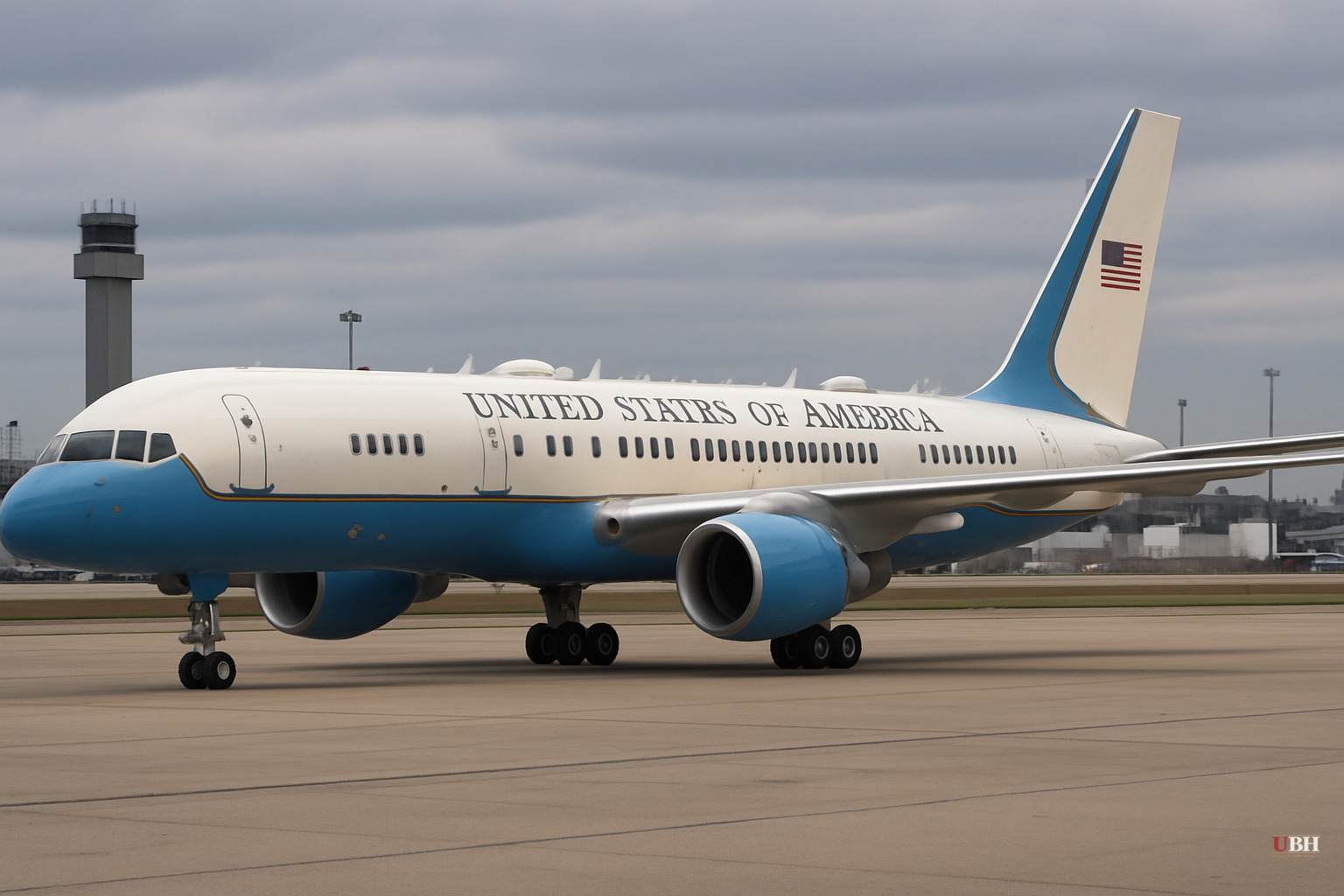
Since U.S. and Israeli strikes on Iran and the subsequent ceasefire memorandum earlier this month, the two governments have been locked in a tense dual track: military posturing in the Strait of Hormuz and diplomatic outreach through Doha intermediaries. Monday added a third layer nobody expected. A cabinet secretary did a victory lap over a soccer result.
What Mullin Said
Department of Homeland Security Secretary Markwayne Mullin, speaking to reporters Monday, did not exactly model diplomatic restraint. "I was so happy when we were able to pull their visas and said they could leave the US soil, and I might've sung a song or two or maybe even danced a happy dance," Mullin said, according to BBC News. He added: "There wasn't a single team that we had to spend more time dealing with than Iran."
Iran was eliminated from World Cup group play after a 1-1 draw with Egypt on Saturday. A stoppage-time winner that would have advanced them was disallowed for marginal offside. Their fate was sealed Sunday when Algeria and Austria drew 3-3, knocking Iran out on goal difference.
How Iran Was Treated at the Tournament
The restrictions Iran faced throughout the tournament were real and documented. Iranian players were permitted to enter the United States only the day before their first two matches and were required to leave the same day each game ended, per BBC News. Their training base was relocated from Arizona to Tijuana, Mexico, before the tournament began.
For their final group match in Seattle, the restrictions were loosened slightly. They were allowed to arrive two days early but still had to return to Tijuana immediately after the final whistle.
Iran coach Amir Ghalenoei said the U.S. had "treated us very unfairly" and that his squad received "less than half" the preparation window it needed. Captain Mehdi Taremi said: "This kind of tension undermines the joy of the World Cup. I felt the tension from the first moment we arrived."
Ghalenoei called Iran the "most oppressed" team at the tournament.
The Case for the Restrictions
The U.S. government's position is that Iran is an active adversary: strikes occurred, a ceasefire memorandum is unresolved, and Iranian proxies have targeted commercial shipping. From a pure security standpoint, DHS had a legitimate national interest in limiting the footprint of Iranian nationals, including officials, security personnel, and support staff, on U.S. soil during an active conflict. No administration, Republican or Democrat, would ignore that calculus. Mullin's tone was unprofessional. The underlying security logic was not invented from nowhere.
The Nuclear Track Runs Parallel
While Mullin was celebrating the soccer result, the White House was arranging the next round of nuclear diplomacy.
President Trump announced Monday that Iran had requested a meeting, and that U.S. officials would travel to Doha on Tuesday. "Iran has requested a meeting. It will take place tomorrow in Doha!" Trump wrote on Truth Social, according to Breitbart News. He later told reporters the talks would be "perhaps important, perhaps not," and added: "We are winning militarily. It's almost won militarily, I would say."
White House Press Secretary Karoline Leavitt confirmed on Fox News that Special Envoy Steve Witkoff and Jared Kushner are traveling to Doha for what she described as "high-level" meetings, with technical talks scheduled on the sidelines. "Special Envoy Witkoff and Jared Kushner will be flying to Doha for high-level meetings this week, as we continue to discuss the memorandum of understanding," Leavitt said.
Iranian President Masoud Pezeshkian took a more conditional tone. "Mutual understanding is a two-way street. If the American side adheres to the agreement, we will also fulfill our commitments," Pezeshkian wrote on X, per Breitbart News. He described U.S. posture as "unreasonable saber-rattling" but said Iran's response would be guided by "rationality and human dignity."
There is already a public discrepancy over whether formal talks are even happening. Iran's Foreign Ministry spokesman Esmaeil Baghaei said an Iranian expert delegation would travel to Doha for indirect discussions, publicly declining to characterize them as direct negotiations with U.S. officials despite Washington's announcement. Both sides are describing the same scheduled meetings differently.
What the Tone Gap Costs
Mullin's remarks are unlikely to move markets or blow up a deal on their own. But they hand Iranian hardliners domestic ammunition at a moment when Pezeshkian is already navigating internal pressure over engaging with Washington at all. A cabinet secretary publicly mocking Iran's elimination days before the two governments sit down in Doha is a self-inflicted complication.
Whether the Strait of Hormuz incident over the weekend produced any concrete changes to the memorandum's terms remains unclear heading into Tuesday's Doha talks. Both sides may simply be restating the ceasefire they already agreed to. How long that holds if the public messaging gap between Washington and Tehran keeps widening is another question.
Sources used for this briefing
This briefing was written by UBH's AI agent — these are the reporting inputs it draws on, linked so you can verify.


