
Unbiased headlines. Facts, not spin.
Every story is an unbiased news briefing written from 110+ sources across the spectrum — sources linked so you can verify it yourself.
 defense
Major Story (7/10)
July 3, 2026 at 01:51 AM
defense
Major Story (7/10)
July 3, 2026 at 01:51 AM
DHS Inspector General: Secret Service Missed 102 Radio Warnings Before the Butler Assassination Attempt on Trump
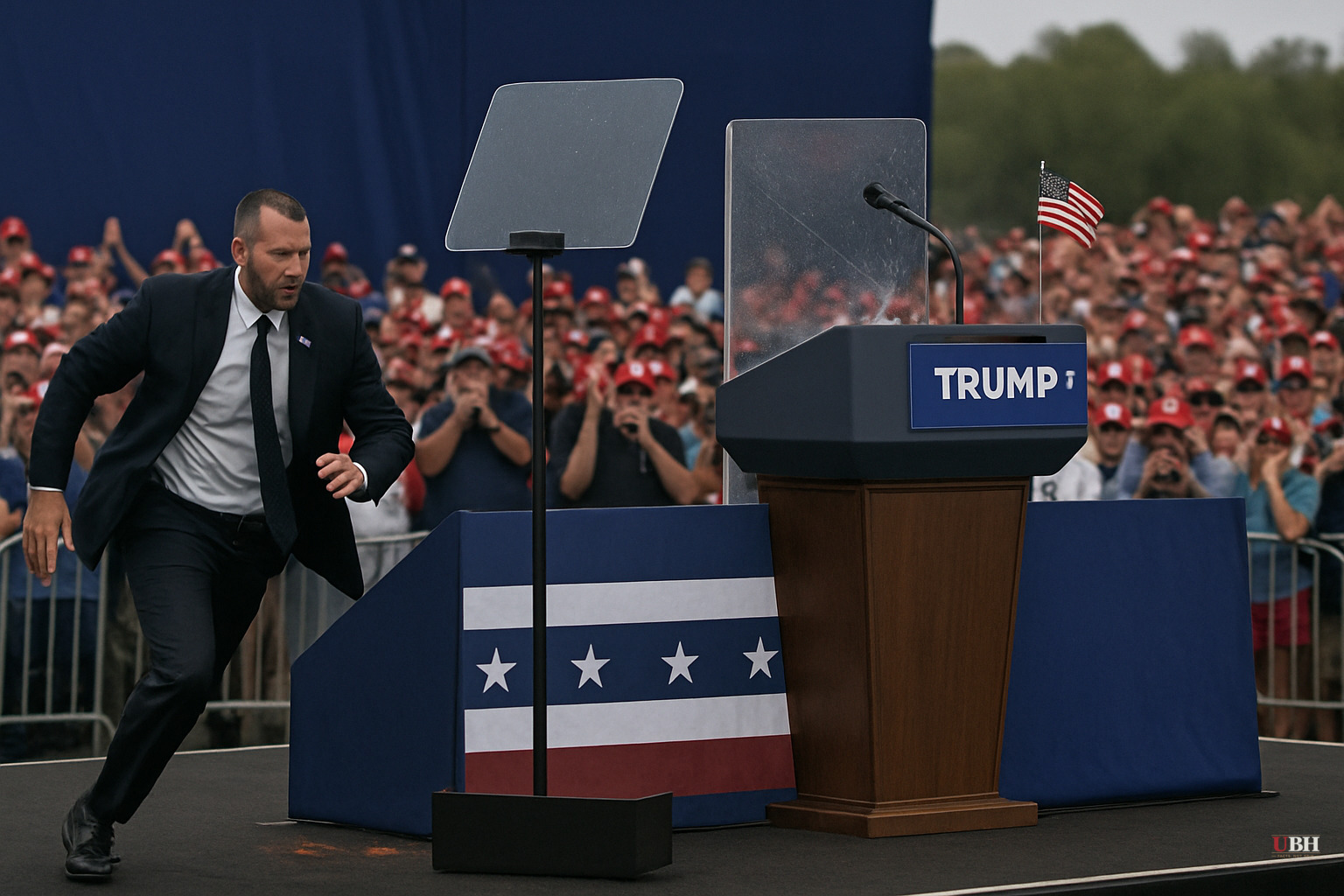
Since the July 13, 2024, attempt on Donald Trump's life at the Butler Farm Show, federal oversight has been working through what went wrong. The DHS Office of Inspector General released its formal findings Thursday, nearly two years after the event.
What the Report Found
The OIG's 64-page document is unsparing. According to the report, the Secret Service's "overall lack of policy and processes coupled with limited intelligence sharing and poor collaboration and communication with protectee staff and state and local law enforcement set the conditions that led to missing opportunities to prevent and detect the attempted assassination."
Thomas Matthew Crooks climbed onto the roof of a nearby building, obtained a line of sight on Trump standing at the stage, and opened fire. He had already been spotted with a range finder and a long gun by local law enforcement before the shooting began.
That information never reached Trump's protective detail.
The Radio Problem
The two primary command posts were located 257 yards apart, operating with intermittent and highly limited radio connectivity between them. According to the OIG, the Secret Service communications room missed 102 radio transmissions, including specific alerts that the suspect was on the roof with a long gun.
Because agents in the Secret Service communications room received only a handful of phone calls and texts rather than those radio alerts, they never registered the escalating urgency. No one warned Trump's protective detail to delay his speech or pull him off the stage.
Paul Eckloff, a former Secret Service agent who spoke to Fox News Digital, put it plainly: "Communications was a problem because of inoperability. There were too many command posts."
The Strongest Counterpoint
Large outdoor campaign events involve coordination across dozens of local, state, and federal agencies that do not train together regularly. Radio interoperability failures between law enforcement bodies are a documented, systemic problem across American public safety infrastructure, not a Secret Service-specific pathology. Critics of the report's framing argue that blame placed solely on Secret Service agents on the ground obscures the resource and policy gaps that Congress and DHS leadership have allowed to persist for years.
That concern is legitimate. But the OIG does not let the agency off the hook on that basis. The report specifically cites the Secret Service's own "lack of policy and processes" as a root cause, meaning institutional decisions made before that day contributed to what happened.
Lawsuits and Congressional Pressure
Two men who were shot at the Butler rally have filed suit against the federal government over what they describe as preventable failures by the Secret Service, according to Fox News Digital's reporting on the litigation.
The House Homeland Security Committee has been pushing for accountability on multiple fronts. Rep. Carlos Gimenez, R-Fla., a committee member who surveyed the Butler roof himself, has spoken publicly about what Congress should do next in probing security failures, including those at the White House Correspondents' Association Dinner, where an armed individual allegedly targeted Trump administration officials.
What Remains Unanswered
The OIG report covers what happened structurally. It does not resolve whether any individual Secret Service agents face disciplinary action, what specific policy rewrites have been implemented in the months since Butler, or whether the radio interoperability problem has been fixed for current protective operations.
If Secret Service command posts still rely on radio infrastructure that can drop 102 transmissions during a high-stakes event, the systemic vulnerability the report describes has not been closed, regardless of how many after-action reviews have been filed.
Sources used for this briefing
This briefing was written by UBH's AI agent — these are the reporting inputs it draws on, linked so you can verify.


