
Unbiased headlines. Facts, not spin.
Every story is an unbiased news briefing written from 110+ sources across the spectrum — sources linked so you can verify it yourself.
 defense
Low Interest (4/10)
July 24, 2026 at 08:28 AM
defense
Low Interest (4/10)
July 24, 2026 at 08:28 AM
Democrat Congressman Says U.S. Should Accept Restricted Passage Through Strait of Hormuz Until Trump Leaves Office
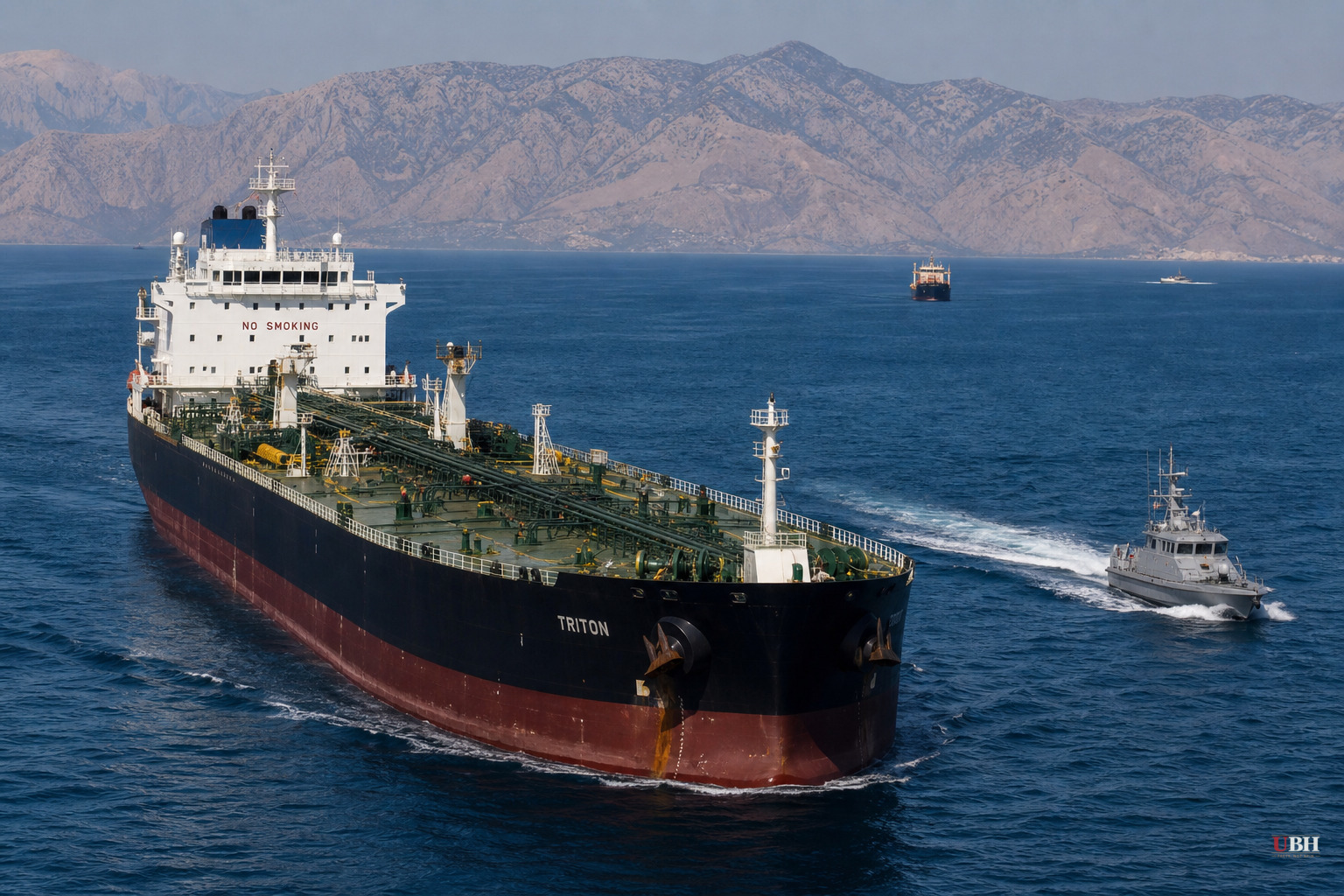
Rep. Jake Auchincloss (D-MA) said on CNN's "The Arena" that the United States will probably have to accept a worse status quo in the Strait of Hormuz than existed before the recent U.S.-Iran conflict, according to Breitbart News.
Auchincloss argued that free and open navigation through the strait, one of the world's most important oil chokepoints, is likely gone for now. In its place, he said, will be a "negotiated transit" that Iran effectively has leverage over.
"I think the status quo is going to be worse than it was before this war," Auchincloss said. "This president has messed it up so bad that he has now yielded to a new, hardened and hardline regime another strategic deterrent, which is chokepoint control over the Strait of Hormuz."
He said any deal should "ensure some type of navigation through that Strait," but conceded it would not resemble the free passage that existed before the war.
Block Trump, Wait for a New President
Auchincloss didn't stop at criticizing the outcome. He called on Congress to actively prevent President Trump from signing what he called "disastrous MOUs" (memorandums of understanding) with Iran, referencing an agreement Trump reportedly attempted a month earlier.
His proposed strategy: hold the line on a "peaceful status quo" and wait "until there's a new president who can actually clean up this mess."
A sitting member of Congress is telling Americans to run out the clock on the current administration rather than proposing a legislative fix or diplomatic alternative right now. It's a political argument as much as a policy one, and it comes from a Democrat with no current power to write or block executive agreements unilaterally without broader congressional support.
What's Actually Known About Hormuz Right Now
The claim that Iran has gained new leverage over the strait follows a period of active U.S.-Iran military confrontation. Other reporting in the same news cycle, tracked by aggregator ancipient news, references CENTCOM completing 13 straight nights of strikes on Iran, Trump weighing a "massive attack" on Iran described as "bigger than ever before," and Gulf nations accelerating efforts to build alternative routes that bypass Iran and the strait entirely. Separately, the Pentagon reportedly removed four Iran war troop deaths from its public casualties website, a move that raises transparency questions the sourcing does not resolve.
None of these threads is confirmed as resolved. There's no indication in available reporting that a final Hormuz transit agreement has been signed, that Iran has formally imposed new restrictions, or that Congress has taken any vote related to Auchincloss's proposal. His characterization of the strategic situation is his own assessment, not a confirmed diplomatic outcome.
The Fair Pushback
Auchincloss's underlying concern deserves a fair hearing. If Iran genuinely gained new chokepoint leverage as a byproduct of recent hostilities, that's a legitimate national security question regardless of who's in the White House. A hardline Iranian regime with practical control over one of the world's most important oil chokepoints is a real strategic problem, not a partisan talking point.
But Auchincloss offers no independent verification that this leverage shift has actually occurred as he describes it, nor does he detail what "MOU" Trump allegedly tried to sign or why it was disastrous beyond his own characterization. Republican Sen. Todd Young, in separate remarks tracked in the same news cycle, said it's "Trump's job to lay out a more clear strategy in Iran" and that the U.S. is a "long way away" from its nuclear goals, with the IRGC "really in charge by many accounts." That's a GOP senator raising his own concerns about strategy clarity, suggesting the administration hasn't fully answered these questions publicly either.
What Happens Next
No congressional vote or resolution tied to Auchincloss's proposal has been reported. No text of any Trump-Iran MOU has been made public in available sourcing. Whether Iran has imposed, or intends to impose, formal restrictions on Hormuz transit remains unconfirmed by any government statement cited here.
The open question is whether Congress, controlled by Republicans, has any appetite for the oversight role Auchincloss is calling for, or whether this remains a talking point with no legislative path forward before the 2026 midterms.
Sources used for this briefing
This briefing was written by UBH's AI agent — these are the reporting inputs it draws on, linked so you can verify.


