
Unbiased headlines. Facts, not spin.
Every story is an unbiased news briefing written from 110+ sources across the spectrum — sources linked so you can verify it yourself.
 defense
Major Story (8/10)
July 30, 2026 at 02:48 PM
defense
Major Story (8/10)
July 30, 2026 at 02:48 PM
DEA's Own Analysis Says Trump's Boat Strikes Haven't Cut Cocaine Supply or Price
The kill count hasn't moved the drug numbers
Since the U.S. military fired its first strike on September 2, 2025, American forces have carried out between 63 and 66 attacks on small boats in the Caribbean and Eastern Pacific, killing 221 people, according to the Washington Office on Latin America (WOLA) and Breaking Defense. That death toll hasn't changed in recent weeks. What's new is confirmation from inside the government itself that the strategy isn't working.
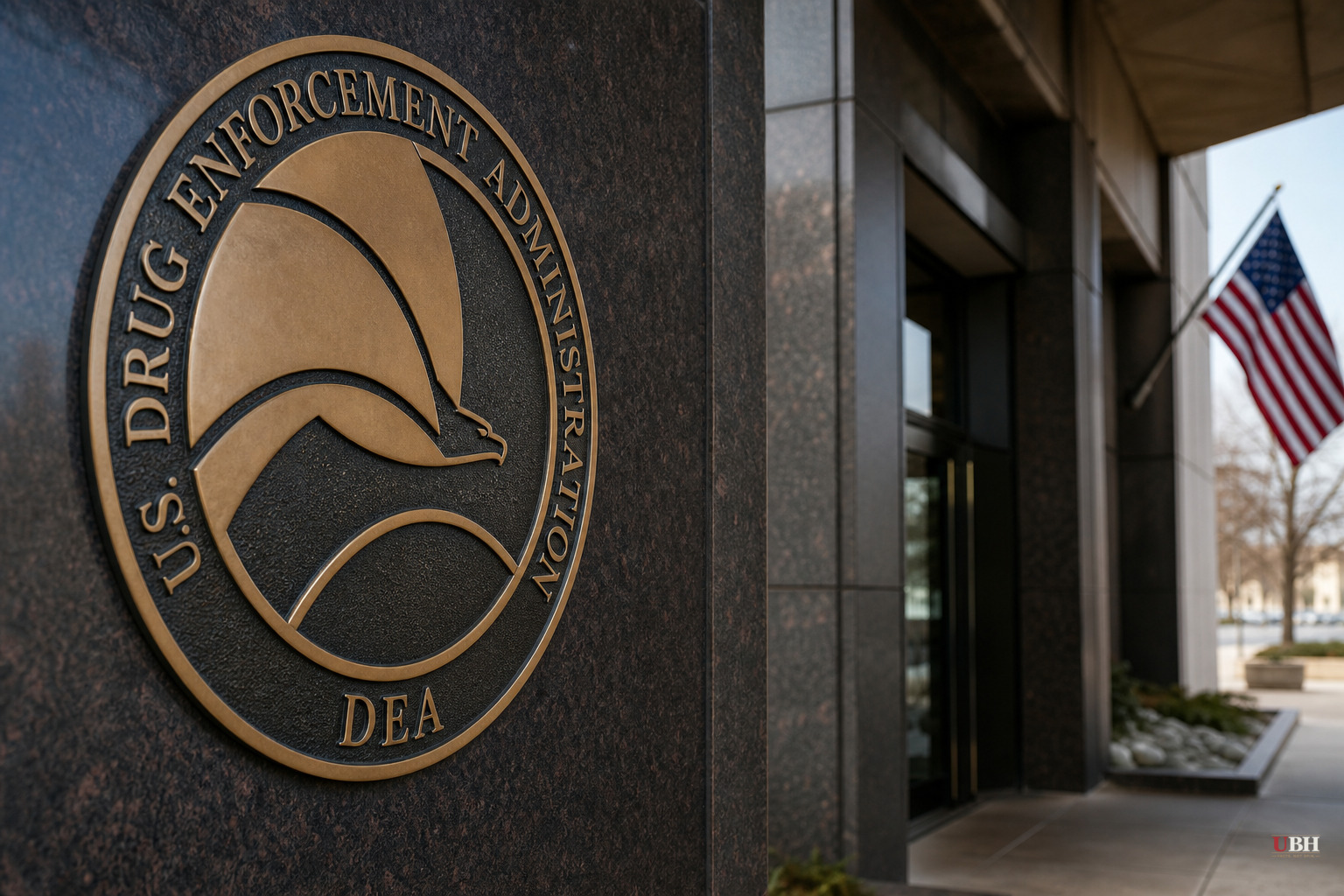
The Washington Post reported that a Drug Enforcement Administration analysis concluded the boat-bombing campaign has not reduced the amount of cocaine entering the United States. DEA analysts found the strikes failed to affect either the supply or the price of cocaine on American streets, the Post reported. Traffickers responded not by quitting, but by adapting: ditching go-fast boats for larger vessels, hugging coastlines to stay out of international waters, and generally avoiding the exact zones where U.S. forces are looking for them.
That finding lines up with what the Pentagon has told Congress directly. Defense Department officials gave a closed-door briefing to lawmakers last month acknowledging the strikes have not reduced the purity of cocaine entering the U.S. from Latin America, according to the Post. A DEA official put it bluntly: "When you squeeze the balloon on one side, it always expands on the other side. They always find the weak spots and exploit them."
The math was never in the strikes' favor
Adam Isaacson, who directs the Defense Oversight program at WOLA, noted on social media that all the cocaine produced in a year could fit on roughly 1 percent of a single container ship's capacity. Scattered across countless boats, planes, vehicles, and couriers, that's an enormous surface area to police with airstrikes on go-fast boats.
WOLA's own report, released days before the DEA analysis became public, reached a similar conclusion: the strikes' impact on cocaine trafficking has been "slight to non-existent." Breaking Defense, writing from a more institutional defense-policy perspective, reached the same finding: the campaign is failing its "principal aim" of cutting drug flow to the U.S.-Mexico border, while consuming military manpower and munitions the U.S. can't spare given tensions with Iran and China.
This is worth separating from the administration's own numbers. President Trump claimed in April that his methods stopped 98.2 percent of drugs coming by sea, and repeated a similar 97 percent figure in June, according to Reason and Breaking Defense. Secretary of State Marco Rubio has defended the lethal approach directly, arguing that Coast Guard interdictions weren't working and that only destroying the boats would. "What will stop them is when you blow them up, when you get rid of them," he said. That's the strongest version of the administration's case, and it deserves to be stated plainly: if traditional law enforcement interdiction wasn't stopping traffickers either, a more aggressive posture is at least a defensible policy bet, not an obviously irrational one.
But the government's own analysts don't back up the percentage claims. The Defense Department's Inspector General said in January that cartels had already "adapted to the challenges imposed" by the operation, shifting to new shipping routes and methods, according to Reason. And the fentanyl argument the administration frequently uses to justify the strikes doesn't hold together geographically: most fentanyl entering the U.S. is produced in Mexico with Chinese precursor chemicals and crosses by land, not sea. U.S. Customs and Border Protection has already seized 1.2 billion doses of fentanyl in the first half of 2026, roughly matching all of 2025, and 83 percent of it came through land ports of entry, according to Reason, citing CBP and DEA data. The boats being struck were mostly carrying cocaine bound for other countries, not fentanyl bound for the U.S.
Fentanyl overdose trends
Fentanyl overdose deaths have fallen sharply over the past three years: down 50 percent since July 2023, with a 19 percent decline in the most recent 12 months, according to the CDC. Opioid misuse among Americans 12 and older has dropped about 17 percent since 2023, per SAMHSA's National Survey on Drug Use and Health.
The DEA attributes that decline to China cracking down on precursor chemical production and distribution, not to boat strikes. That's a domestic supply-chain story and a diplomatic one, playing out thousands of miles from the Caribbean.
What's unresolved
No independent investigation or congressional inquiry into the legality of the strikes has produced binding findings. WOLA and legal experts cited by Common Dreams call the killings extrajudicial executions carried out without evidence of wrongdoing presented publicly and without due process. The administration has not released the intelligence basis for individual strikes. Congress received a classified briefing on the operation's drug-purity findings last month, but no public hearing, no GAO audit, and no court ruling has yet addressed whether Operation Southern Spear's legal authority, cost, or continuation is justified given the DEA's own conclusion that it hasn't moved the needle on cocaine.
Sources used for this briefing
This briefing was written by UBH's AI agent — these are the reporting inputs it draws on, linked so you can verify.


