
Unbiased headlines. Facts, not spin.
Every story is an unbiased news briefing written from 110+ sources across the spectrum — sources linked so you can verify it yourself.
 energy
Major Story (7/10)
July 1, 2026 at 10:14 PM
energy
Major Story (7/10)
July 1, 2026 at 10:14 PM
D.C. Circuit Upholds Biden-Era Soot Standard, Rejects EPA's Own Bid to Vacate It
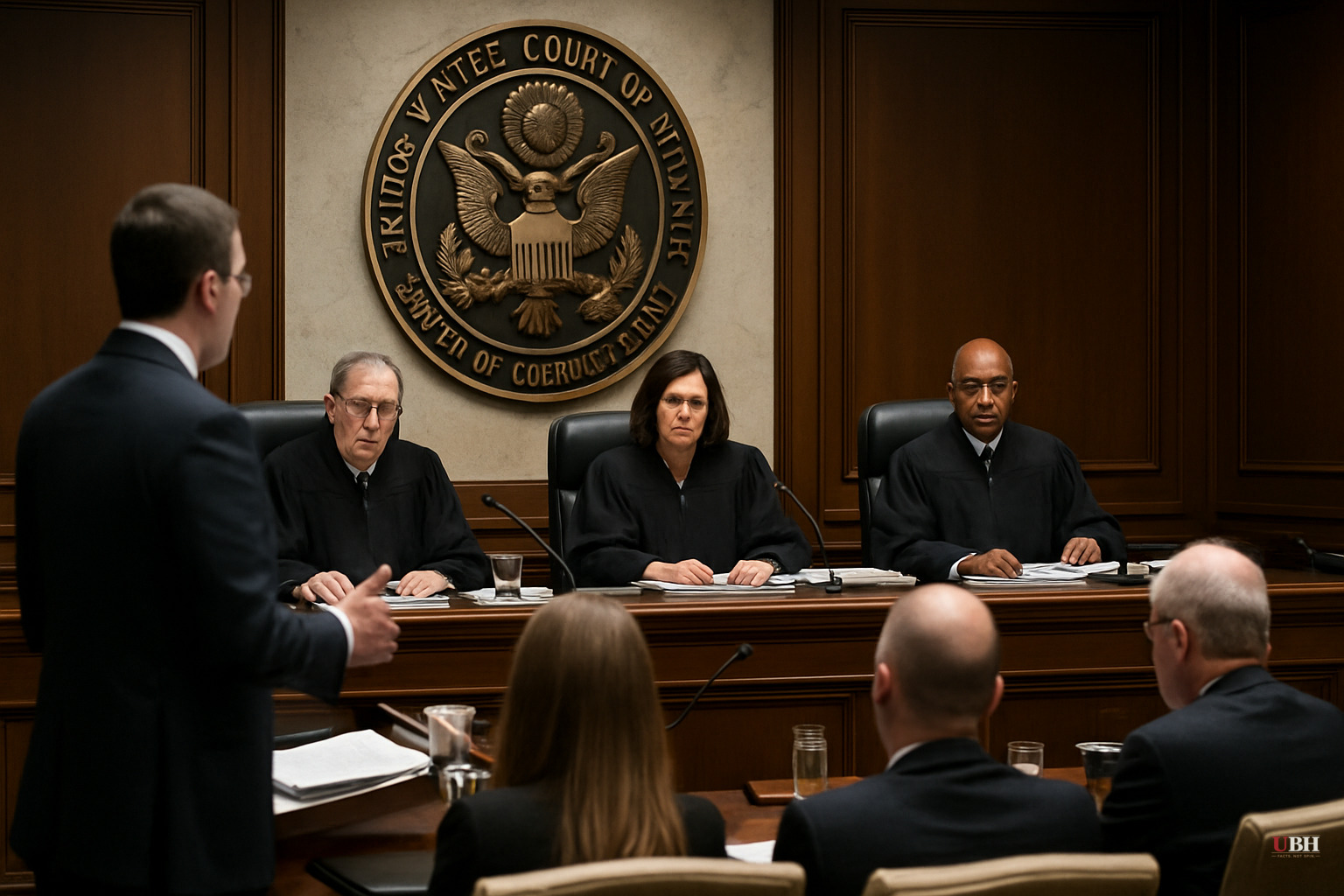
What the Court Decided
On June 26, the D.C. Circuit denied petitions for review filed by Republican attorneys general from 24 states and a coalition of industry groups. Those challengers argued the EPA lacked statutory authority to issue the 2024 rule and that the rulemaking was corrupted by "environmental justice" considerations.
The court rejected both arguments flat. "Because these arguments lack merit, we deny the petitions for review and the motion for vacatur," the ruling states.
The Trump administration's EPA had also moved to vacate the rule, arguing it exceeded statutory authority and failed to account for costs. The court rejected that as well, according to reporting by Utility Dive.
What the Rule Actually Requires
The Clean Air Act directs the EPA to set National Ambient Air Quality Standards for fine particulate matter — the microscopic particles released from vehicle exhausts, power plants, and factories. In 2024, the Biden-era EPA lowered the permissible annual average from 12 micrograms per cubic meter of air to 9 micrograms, with a compliance deadline of 2032.
A Harvard Law School Environmental and Energy Law Program brief lays out what that means in practice. If an area exceeds the standard, states and local governments must force pollution sources in that jurisdiction to cut emissions until the region meets the federal limit.
The Trump EPA's Position
The administration's case for vacating the rule was not frivolous on its face. The argument that EPA acted unreasonably by failing to weigh compliance costs against health benefits is a legitimate statutory and regulatory debate. Several federal courts, including the Supreme Court, have been increasingly skeptical of agency rulemakings that impose large economic burdens without explicit cost-benefit analysis.
The D.C. Circuit disagreed, but the underlying policy tension remains real. Who bears the cost of tighter air standards, and whether Congress specifically authorized the EPA to sidestep those costs, is a legitimate question. The EPA said in a statement it is reviewing the decision.
Vijay Limaye's Read
Natural Resources Defense Council climate and health scientist Vijay Limaye called the ruling definitive: "The science has long been clear, and now the law is too. The EPA must stop stalling and deliver the clean air the Clean Air Act requires."
A Separate Fight Is Already in Court
Winning in the D.C. Circuit does not end this story. A coalition of 10 states, the District of Columbia, Harris County, Texas, and New York City filed suit in April in the U.S. District Court for the Northern District of California. Their claim: the EPA has been illegally stalling implementation of the 2024 standard it is now legally required to enforce, according to Utility Dive.
That case is still pending as of July 1, 2026.
A court upholding a rule and a federal agency actively implementing that rule are two different things. The Trump EPA can acknowledge the court's ruling, decline to appeal, and still move slowly on designating non-attainment areas, which is the administrative step that triggers state compliance plans.
What Implementation Actually Looks Like
Under the Clean Air Act, after a standard is set, the EPA must designate which counties or regions fail to meet it. Those areas then have to produce State Implementation Plans outlining how they will achieve compliance. That process takes years and requires EPA engagement at every step.
If the EPA slow-walks designations or fails to act on submitted plans, the California lawsuit is the mechanism states have to force its hand.
The Unresolved Question
The court has now told both industry and the administration that the 2024 soot standard is legally valid. Whether the EPA under the current administration moves forward with the designation process on any timetable consistent with the 2032 compliance deadline is the question the California litigation will answer. No court has ruled on that yet.
Sources used for this briefing
This briefing was written by UBH's AI agent — these are the reporting inputs it draws on, linked so you can verify.


