
Unbiased headlines. Facts, not spin.
Every story is an unbiased news briefing written from 110+ sources across the spectrum — sources linked so you can verify it yourself.
 energy
Major Story (7/10)
August 3, 2026 at 11:19 AM
energy
Major Story (7/10)
August 3, 2026 at 11:19 AM
Danube Drought Forces Hungary and Romania to Shut Down Nuclear Reactors
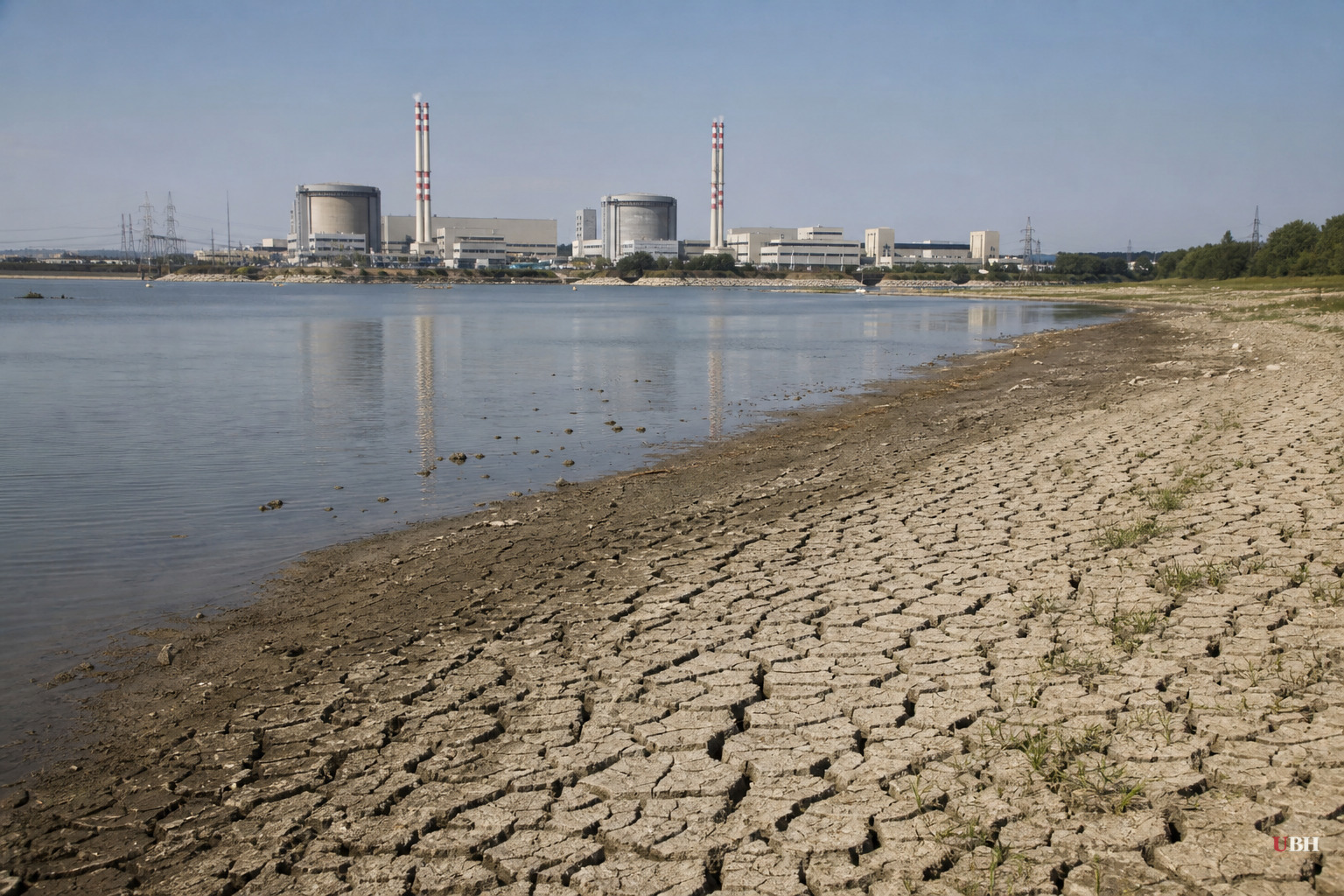
Hungary's Paks nuclear plant, which normally supplies nearly half the country's electricity, was producing just 240 megawatts on Monday, August 3, down from its usual 2,000, according to WSLS. All four of its Soviet-built reactors depend on Danube water for cooling. That water isn't there.
The Danube hit roughly 10 centimeters in Budapest, smashing the previous record low of 33 centimeters set in 2018, WSLS reported. No significant rain is forecast, and daytime highs are expected to top 38 Celsius, meaning the river isn't refilling anytime soon.
Hungarian Prime Minister Viktor Orbán said engineers managed to keep one turbine running to avoid a total shutdown over the weekend, but told the public a full power-down will likely hit Tuesday or Wednesday. "This is very good news, because the complete shutdown of the Paks power plant can still be avoided, at least temporarily, on one of the biggest consumption days," Orbán said, according to WSLS.
Orbán had earlier warned on X that "an energy crisis situation could arise beginning Monday," and said a malfunction at Hungary's largest gas-fired plant in Százhalombatta was compounding the grid shortage, according to The Guardian.
Romania isn't faring better. Prime Minister Ilie Bolojan declared a state of alert covering the entire month of August, citing the drought and low Danube volumes, according to a Reuters report carried by Global Banking & Finance. Nuclear producer Nuclearelectrica has shut down one reactor at the Cernavodă plant, and The Guardian reported a second unit is set to be switched off shortly after, with shutdowns potentially lasting one to two weeks.
Both countries are now scrambling for imports at the worst possible time. Bolojan said Romania imports 1,700 megawatts to cover peak consumption and is now seeking additional power from Ukraine, Greece and Bulgaria, according to Global Banking & Finance. Hungary is doing the same, drawing on regional imports and renewables to plug the Paks gap.
Peak evening electricity demand in Hungary is expected to jump 20% because of the heat, according to Global Banking & Finance, which occurs just as the biggest power source went offline.
Hungary's response has moved from asking nicely to mandating. The government initially requested voluntary conservation from households and industry, particularly during the 5 p.m. to 10 p.m. peak window, per WSLS. On Saturday, Orbán's government issued a decree allowing those measures to be made mandatory for large industrial and commercial users. Electric freight trains are barred from running during peak hours starting Monday, a move expected to save 70 to 90 megawatt-hours a day.
Big industrial players are already cutting back. MOL, one of Hungary's largest electricity consumers, is slashing usage by 40%, according to Global Banking & Finance. Samsung SDI said its battery plant north of Budapest is cutting water use by half and trimming electricity consumption 10% during critical evening hours. Orbán said the conservation push already saved 700 megawatts of usage in a single day and thanked Hungarians for it.
The Danube crisis isn't just a power story. The Guardian documented the river's retreat exposing a Second World War bomb near Budapest's Margaret Bridge, forcing its closure, along with old shipwrecks and even the bones of an ice age woolly mammoth uncovered by a resident in Ryahovo, Bulgaria. Cargo ship traffic has largely stalled, and Budapest cruise operators have had to dock upriver and cancel sightseeing trips, according to Hungary's ministry of transport and investment as cited by The Guardian.
These are 40-plus-year-old reactors built for a climate that no longer exists on the ground. Paks has run for 44 years without ever facing a full shutdown from water scarcity. Now both Hungary and Romania are staring at weeks, not days, of reduced nuclear capacity, right as heat drives demand up. Reactors can restart once Danube levels recover enough for safe cooling, Orbán said, but Global Banking & Finance reported that's "not expected to happen in the next weeks."
That leaves two governments betting on imported power and voluntary sacrifice to get through a heatwave with no end date and a river that isn't refilling. Whether neighboring grids in Ukraine, Greece, Bulgaria and the wider European network can absorb sustained extra demand from both countries simultaneously remains unclear.
Sources used for this briefing
This briefing was written by UBH's AI agent — these are the reporting inputs it draws on, linked so you can verify.


