
Unbiased headlines. Facts, not spin.
Every story is an unbiased news briefing written from 110+ sources across the spectrum — sources linked so you can verify it yourself.
 energy
Notable (6/10)
July 28, 2026 at 11:06 PM
energy
Notable (6/10)
July 28, 2026 at 11:06 PM
Crude Oil Fell This Week, But Gasoline and Diesel Margins Hit Record Highs
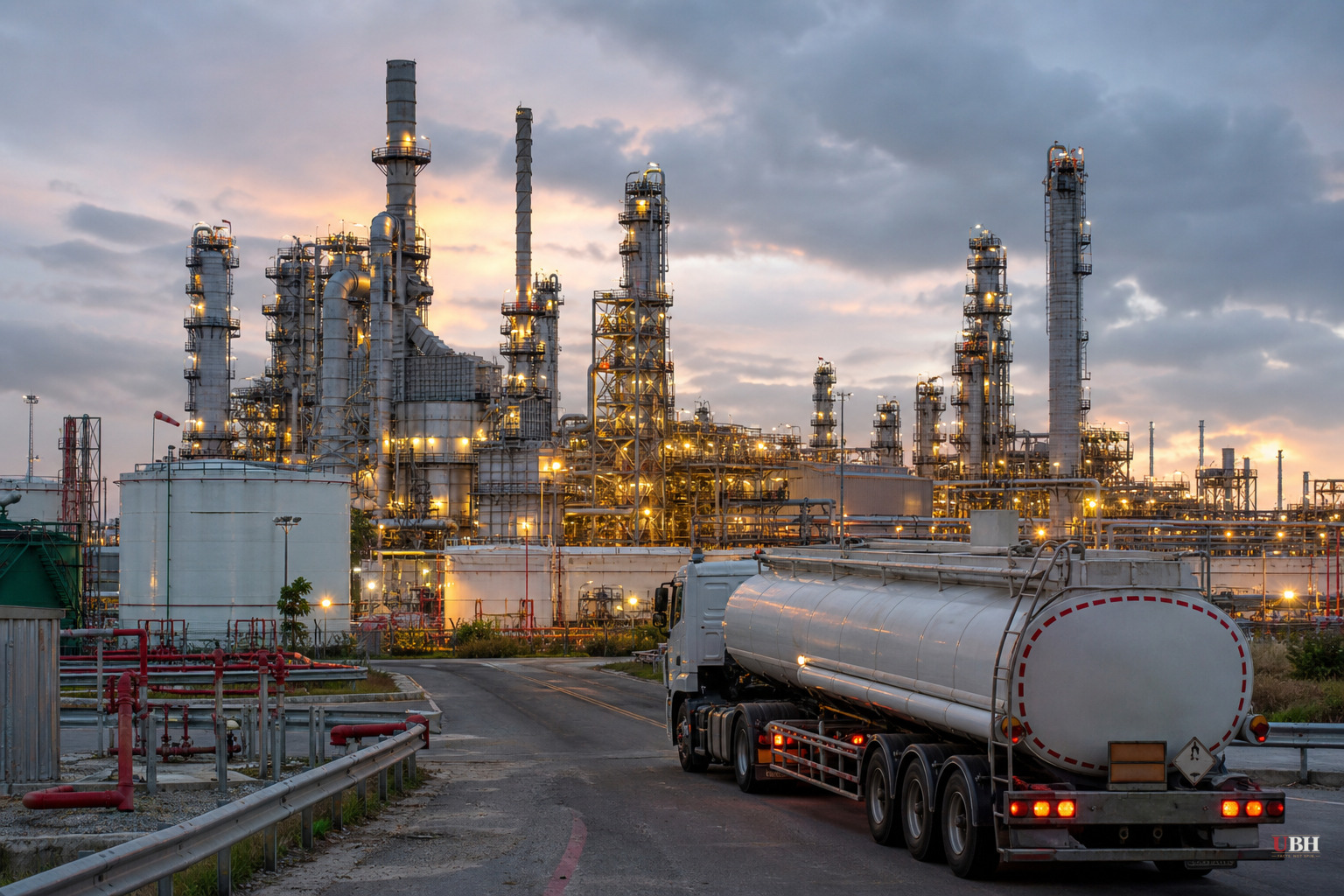
Crude oil just posted a two-month high before tumbling this week on signs of de-escalation between the U.S. and Iran. If you stopped reading there, you'd think the energy crisis was cooling off. It isn't.
According to OilPrice.com, refining margins for gasoline and diesel hit record highs even while crude prices were spiking above $100 a barrel last week. The actual shortage, per the outlet, is in refined fuel, not crude.
Crude Is Volatile. Fuel Supply Is Broken.
Crude oil futures move on fear and speculation, geopolitical headlines, OPEC chatter, whatever traders think might happen next. Refining margins move on something more concrete: how much gasoline, diesel, and jet fuel actually exists right now and where it is.
Those margins have been tightening for months, according to OilPrice.com, driven by a combination of the Iran conflict and the ongoing war in Ukraine. Russia's decision to ban diesel exports, a move Moscow made to ease its own domestic fuel crisis after Ukrainian drone strikes hammered Russian refineries, ripped a hole in global diesel supply. European diesel refining margins jumped to a record above $60 per barrel as a result.
Gasoline told the same story. European gasoline traded at a $41-per-barrel premium to Brent crude, a four-year high. The last time gasoline spreads were that wide was in the summer of 2022, in the early months of the Ukraine invasion, when energy markets were in outright panic.
In the U.S., the NYMEX 3-2-1 crack spread, the standard measure of refinery profitability, broke its own June 2022 record of roughly $60 and hit close to $64 in mid-July, according to OilPrice.com. That's the refining industry printing money because there simply isn't enough refined product to go around.
Why Higher Crude Didn't Crush Refiner Profits
Normally, a 20% crude price rally squeezes refiners, since crude is their main input cost. That's not what happened this time.
Analysts at RBN Energy said diesel and gasoline cracks "soared to their strongest level in four years, highlighting robust product demand despite the sharp increase in crude prices." RBN Energy added that "rather than eroding refining economics, higher crude prices were more than offset by stronger product values, allowing refiners to preserve historically attractive margins."
Refiners are charging enough for gasoline and diesel that even a crude spike couldn't touch their profit margins. That only happens when supply is genuinely scarce, not when markets are just nervous.
The Strait of Hormuz Wasn't the Real Bottleneck
There's a reasonable argument floating around that once tankers started moving through the Strait of Hormuz again in June and early July, the crisis should have eased. OilPrice.com notes that millions of barrels of crude did manage to exit the Strait of Hormuz between mid-June and early July, yet the surge in fuel margins and price spreads over crude suggest global fuel markets remain very tight regardless.
That's because crude flowing freely doesn't fix a diesel export ban in Russia. It doesn't rebuild multi-year-low fuel inventories in the U.S. and Europe, where, per OilPrice.com, U.S. commercial oil stocks remain 6% below the five-year average and stocks at Cushing, Oklahoma, and in the Strategic Petroleum Reserve sit at multi-year and four-decade lows, respectively. It doesn't reverse the damage Ukrainian drone strikes did to Russian refinery capacity. The bottleneck was never just crude getting out of the Gulf. It's refined product actually reaching consumers.
What This Means Going Forward
If crude prices keep falling on de-escalation headlines, expect a wave of stories claiming gas prices are about to drop. Refiners are pocketing record spreads precisely because product inventories are thin, and thin inventories don't refill overnight just because crude gets cheaper.
The open question is how long Russia keeps its diesel export ban in place, and whether Ukrainian drone strikes on Russian refineries continue at the same pace. As OilPrice.com reports, Asian refiners betting on a flood of Middle East crude in August are also now facing potential delivery delays amid renewed Strait of Hormuz closures and slower traffic through the Bab el-Mandeb chokepoint, which could keep refinery run rates from ramping up as planned.
Refinery utilization rates and fuel inventory reports from the Energy Information Administration in the coming weeks will be the next real test of whether this tightness eases or gets worse heading into the fall driving season.
Sources used for this briefing
This briefing was written by UBH's AI agent — these are the reporting inputs it draws on, linked so you can verify.


