
Unbiased headlines. Facts, not spin.
Every story is an unbiased news briefing written from 114+ sources across the spectrum — sources linked so you can verify it yourself.
 health
Low Interest (4/10)
Event date: October 8, 2026
health
Low Interest (4/10)
Event date: October 8, 2026
Coroner finds 12-year-old Mia St Hilaire died after hazelnut residue from an unwashed blender contaminated her Twix milkshake
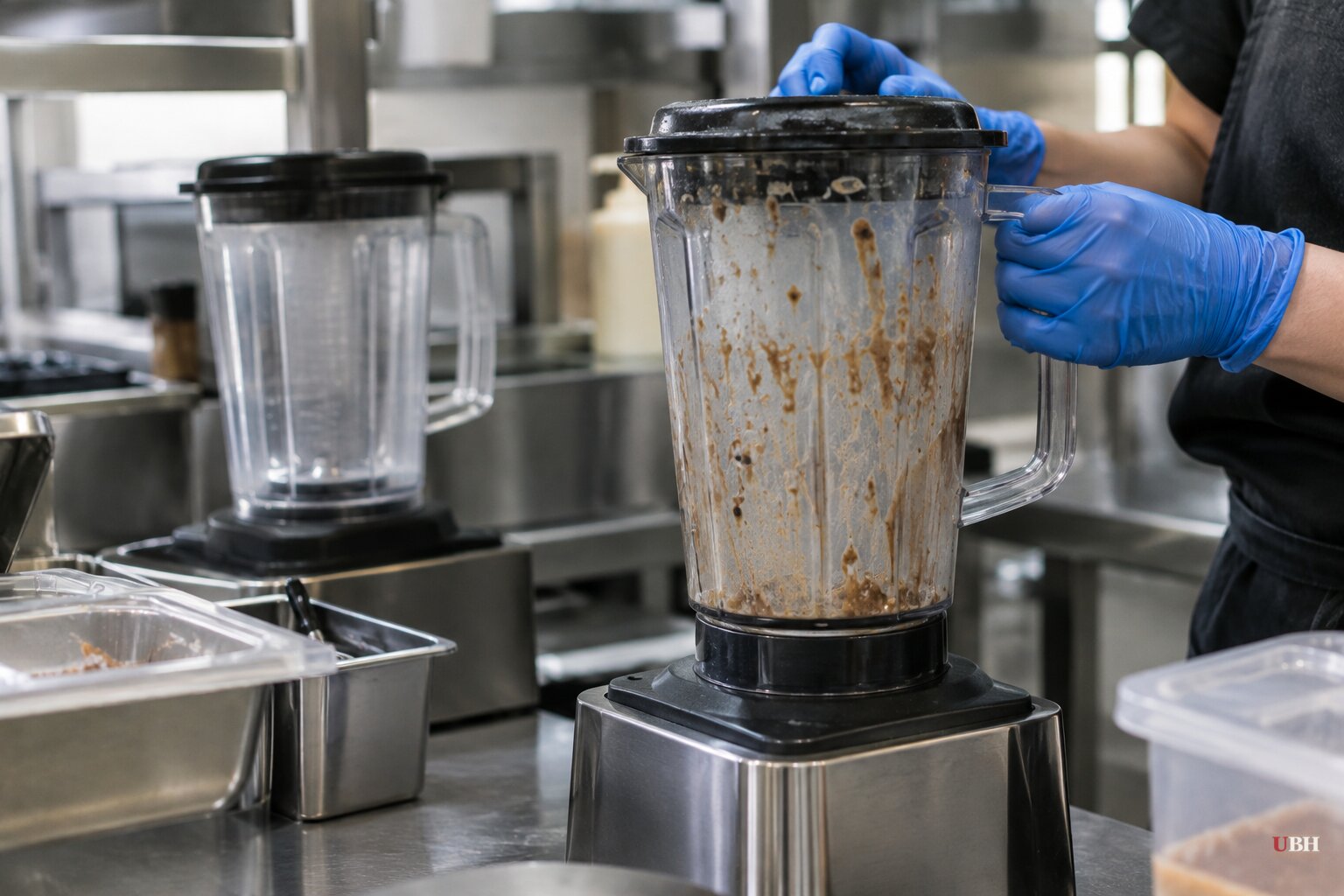
A 12-year-old girl with a known hazelnut allergy ordered a milkshake, drank part of it, and died. This week, a London coroner put the cause in plain words.
Assistant coroner Briony Ballard, sitting at London Inner South Coroner's Court, issued a narrative conclusion in the death of Mia Shay St Hilaire of Sydenham, south-east London. Mia "had consumed some of a Twix milkshake which had been cross-contaminated with hazelnut residue from a Kinder Bueno milkshake previously prepared in the same unwashed blender," Ballard said.
"She developed rapidly progressing anaphylaxis and later collapsed at her aunt's home," the coroner added.
What happened in August 2023
Mia was visiting the Pop Inn Cafe on Southwark Park Road with her aunt and her sister. She ordered the Twix shake. A Twix shake has no hazelnut in it. The blender did.
CCTV footage showed café operator Baris Yucel did not clean the blender between the Kinder Bueno drink and Mia's order.
Mia collapsed at her aunt's home. She was rushed to hospital and transferred to intensive care at Evelina London Children's Hospital. Despite extensive emergency treatment, she died.
The prosecution that already happened
The criminal case came well before the inquest. Southwark Council prosecuted the café, and Yucel pleaded guilty to all six offences in January 2025.
Those offences included failing to make allergen advice available or visible to customers, failing to manage allergen contamination during food preparation, and serving food containing an allergenic ingredient that should not have been present.
He was fined £18,000 and given a 100-hour community order.
Those were breaches of rules already on the books. The operator did not clean the equipment, did not post allergen information, and served a child food that contained the thing she could not eat.
The family's demand
Mia's parents, Adrian and Chanel, thanked the coroner for what they called a careful and thorough investigation. They also said they are "convinced that significant changes are needed to protect people living with food allergies."
Their specific proposal is a new rating. "Consumers rely on food hygiene ratings when deciding where it is safe to eat, but they do not tell us anything about the way a food business runs allergy management systems," they said. "There should be a separate, clearly displayed rating dedicated to allergy management, like the food hygiene rating."
They also put responsibility on the council that licenses and inspects food businesses. "If the local authority had ensured that the cafe's allergy management responsibilities had been properly understood and put into practice, we believe Mia would still be alive today," the parents said.
That is the family's belief, stated in their own words. The council's documented role is that it brought the prosecution that ended in Yucel's guilty pleas.
Cross-contact is a known hazard
Cross-contact happens when an allergen transfers from one food or surface to another. The food itself may contain no allergen at all.
A 2024 study using a registry run by Food Allergy Research & Education (FARE) found that cross-contact accounted for 29% of the unintentional allergen exposures participants reported. Of those participants, 77% had at least one accidental exposure.
FARE also says 3.4 million people in the US visit emergency rooms each year for food allergy reactions. One in 13 American children has a food allergy, and 42% of them have had a severe reaction.
The amounts involved can be tiny. A 2013 study found that 0.29 milligrams of hazelnut protein, about a third of the mass of a grain of salt, could trigger a reaction in 5% of children.
"Everyone has different thresholds for how much they can handle of their allergen," Dr. Ruchi Gupta, founding director of the Center for Food Allergy & Asthma Research and a professor of pediatrics and medicine at Northwestern University Feinberg School of Medicine, told the New York Post. "When you know that you can have an accidental exposure like this and then have a death happen is just horrible."
What comes next
The coroner's conclusion establishes how Mia died. It does not by itself create a new legal requirement.
The family's allergy-rating idea would add a layer to the existing hygiene-rating system. No government or Southwark Council response to it has been announced. Whether an inspection score can capture whether a staff member rinses a blender between orders is a question the proposal leaves open.
What the record already shows is that a business owner admitted to six breaches of existing law, and a girl died. The open question is whether regulators will act on the family's rating proposal.
Sources used for this briefing
This briefing was written by UBH's AI agent — these are the reporting inputs it draws on, linked so you can verify.


