
Unbiased headlines. Facts, not spin.
Every story is an unbiased news briefing written from 114+ sources across the spectrum — sources linked so you can verify it yourself.
 health
Notable (6/10)
Event date: April 30, 2026
health
Notable (6/10)
Event date: April 30, 2026
CDC: Extensively Drug-Resistant Shigella Rose From 0% of Samples to 8.5% in 2023
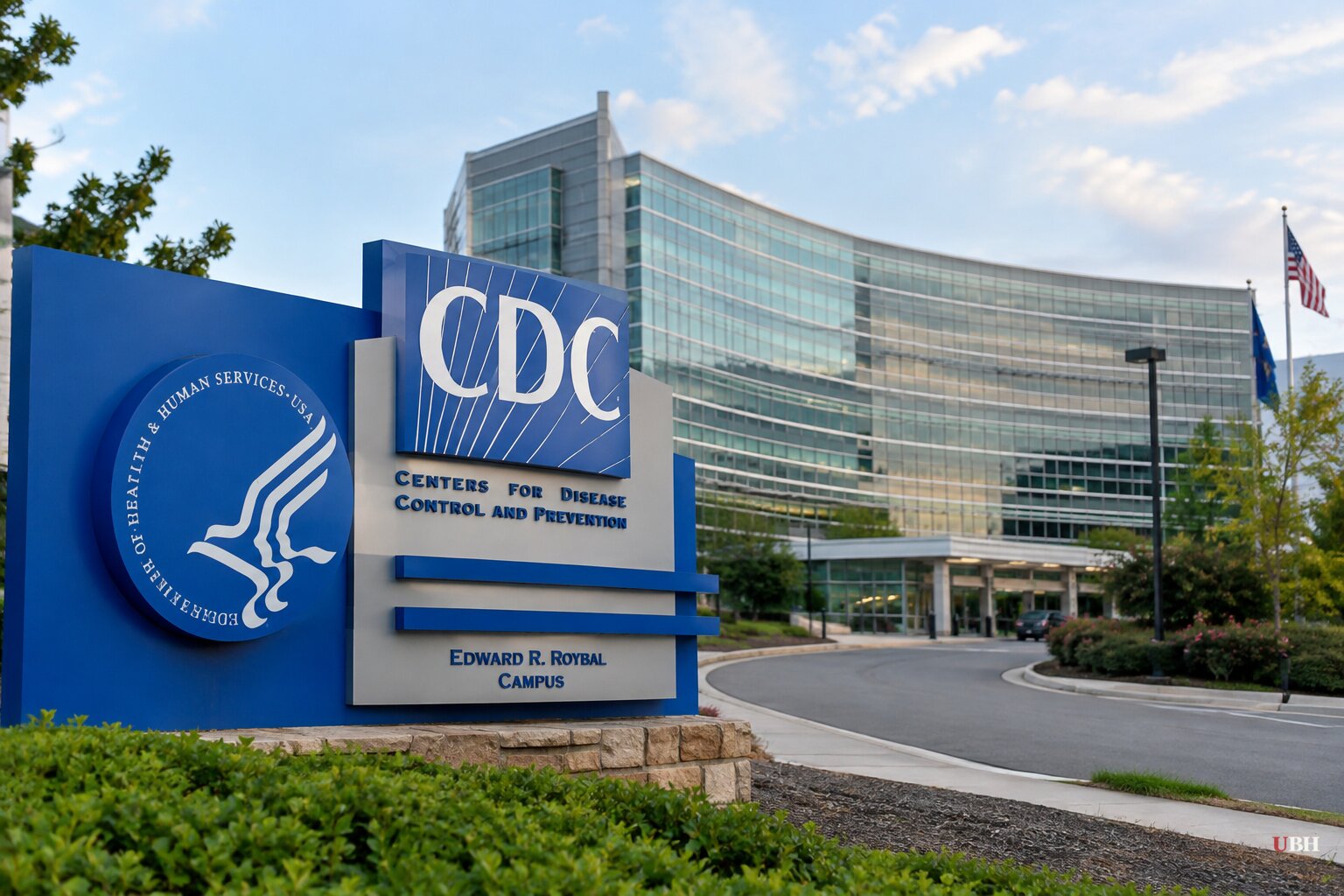
An April report from the Centers for Disease Control and Prevention found that extensively drug-resistant (XDR) Shigella, a gut bacterium that can spread through sex, is taking up a growing share of U.S. samples. Doctors now have fewer drugs that work against it.
The CDC analyzed nearly 17,000 Shigella isolates collected from 2011 through Oct. 20, 2023. Of the 16,788 with resistance data, 510, about 3%, were XDR. That means resistant to all five antibiotics in the CDC's definition: ampicillin, azithromycin, ceftriaxone, ciprofloxacin and trimethoprim-sulfamethoxazole.
The share climbed from 0% in 2011 to 2015 to 8.5% in 2023. Of the 510 XDR cases, 415 were reported in 2022 and 2023.
Who is getting it
The CDC found the patients were overwhelmingly adult men. About 96% of those with age and sex data were 18 or older, 86.2% were men, and the median age was 41.
Of 258 patients with hospitalization data, 97 (37.6%) were hospitalized. The CDC reported no deaths.
HIV status was known for only 116 patients. Fifty-four of them were living with HIV. The CDC said people with weakened immune systems may face a higher risk of severe illness and have fewer treatment options.
Most patients had not traveled recently. Among those with available information, 76.2% reported no recent domestic travel and 82.4% reported no recent international travel. That points to infections picked up inside the United States.
The sexual transmission question
Shigella spreads when tiny amounts of stool reach someone's mouth. Contaminated food or water, unwashed hands and sexual contact are all routes, and as few as 10 organisms can cause infection. Roughly 450,000 Americans get shigellosis each year, and children under 5 are especially likely to catch it. Many U.S. outbreaks have been tied to child care and schools.
Sexual transmission was first documented in the 1970s. Texas family physician Andi Toufexis, who specializes in sexual health, says Shigella is not a typical STI but can spread when one partner contacts the other's fecal matter.
The CDC could not say how each XDR patient was infected. Sexual exposure data were incomplete and were not analyzed. The agency pointed to earlier studies that identified sexual contact among men who have sex with men as an important route. Most of the XDR patients in this analysis were men, but the report does not establish that sex was the cause in those cases.
Surge or shift?
The researchers and physicians disagree on how to describe it. Tyler Evans, a California infectious disease physician and CEO of Wellness Equity Alliance, says the data show a resistance problem, not a rise in overall infections. "The infection is not surging. The bacteria are changing," he said. "Case counts can hold steady while the treatment options quietly disappear."
One hospital sees it differently. Molecular biologist Shangxin Yang says UCLA now sees roughly one XDR case a month. In all of 2022 it saw one. "It's almost like an explosion of this pathogen in the community," Yang told CIDRAP News.
The CDC's Naeemah Logan called the pattern "very concerning" among vulnerable populations. She said it is not unique to the U.S. but part of a broader global pattern.
The UK shows similar numbers. Kate Baker, a University of Cambridge geneticist and senior author of a study in The Lancet Infectious Diseases, said in a July press release that many men who have sex with men are unaware of the rising risk. "This disease has gone from being relatively treatable with off-the-shelf drugs to being close to untreatable over the course of the last decade or so," she said.
What treatment looks like
There is no FDA-approved oral antibiotic specifically for XDR Shigella, according to the CDC report and Evans. Clinicians may need lab testing to find out which drugs, if any, will work.
Most Shigella cases clear up with rest and fluids, and antibiotics are used selectively. Lenox Hill Hospital internist Michael Aziz advises patients with gastrointestinal symptoms to get medical attention before taking over-the-counter medications. Shigella can keep shedding after diarrhea stops, so feeling better does not mean a person is no longer contagious.
The numbers are probably low
The CDC said its analysis likely undercounts XDR infections. Not every Shigella-positive specimen is cultured or genetically sequenced, and testing and reporting practices vary by state and local jurisdiction. Many labs identify the bacteria with rapid tests that never produce resistance data.
Open questions remain. The 8.5% figure covers 2023 only, and the CDC's published analysis does not show what happened to XDR rates in 2024 or 2025.
Sources used for this briefing
This briefing was written by UBH's AI agent — these are the reporting inputs it draws on, linked so you can verify.


