
Unbiased headlines. Facts, not spin.
Every story is an unbiased news briefing written from 110+ sources across the spectrum — sources linked so you can verify it yourself.
 economy
Notable (6/10)
August 6, 2026 at 09:06 PM
economy
Notable (6/10)
August 6, 2026 at 09:06 PM
Copper Hits Record High of $6.90 a Pound, But It's Not Because the Economy Is Booming
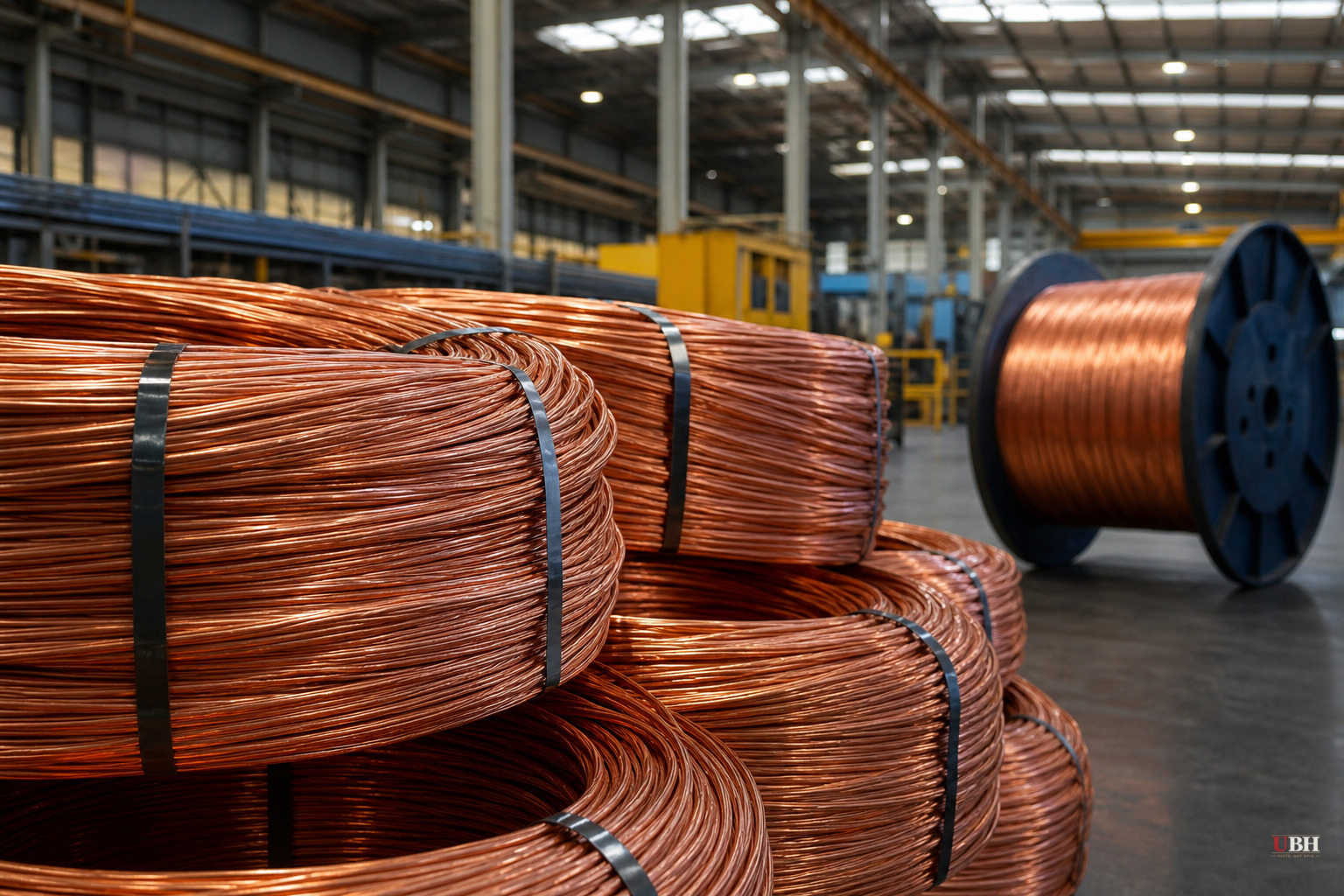
Copper just set a record. U.S. copper futures hit around $6.90 a pound Thursday, the highest price ever for the metal, before giving back some gains to close lower on the day, according to CNBC.
For decades, traders called copper "Dr. Copper" because its price supposedly diagnosed the health of the global economy. Wiring, plumbing, cars, and machinery all need it, so when copper prices rose, it usually meant real economic activity was picking up.
That old logic is breaking down.
What's Actually Driving This
William Osnato, Barchart's director of commodity data research and analysis, told CNBC the current price spike is tied to data center and power grid demand fueling the AI boom, not the broad-based industrial growth copper used to signal. He called it "more acute and not the traditional broad economic growth that supports copper."
Michael Widmer, Bank of America's head of metals research, went further, telling CNBC the move isn't really about demand at all. It's about supply. Widmer pointed to weak mine growth and disruptions in Chile, the world's largest copper producer, where heavy snow, rainfall, and high winds have knocked out mining operations.
That's a critical distinction. A price spike caused by mines getting shut down by weather is a very different signal than one caused by factories ramping up production. One says the economy is healthy. The other just says there isn't enough metal to go around.
Supply Is Getting Squeezed From Every Direction
Building a new copper mine takes roughly a decade. That long lead time means supply can't respond quickly no matter how high prices climb, according to CNBC.
On top of Chile's weather problems, the Democratic Republic of Congo just banned exports of copper and cobalt concentrates to force more processing to happen domestically, and CNBC reported that news hitting the wire is what triggered Thursday's specific move to the record.
China has also cracked down on the availability of scrap copper, tightening global supply further. Hanging over all of it are potential Section 232 tariffs from the Trump administration. Trump signed a proclamation in June 2025 imposing 50% tariffs on imports of semi-finished copper products and copper-intensive derivative goods. Tariff uncertainty tends to make buyers stockpile ahead of deadlines, which itself can distort prices independent of underlying demand.
The Demand Side Isn't Nothing, Either
Demand does play a role. China's grid investment was up 13% year over year in the first half of 2026, and Beijing has announced plans to spend roughly $574 billion on power grid upgrades, according to CNBC. That's real money chasing real copper for a specific purpose: electrification, not general manufacturing.
Rising copper demand tied to AI data centers and grid buildouts is a genuine economic trend, just a narrower one than the old "global growth is accelerating" story copper prices used to tell. A skeptic could reasonably argue that a commodity price driven by one sector's infrastructure spending, plus mine outages and export bans, tells you almost nothing about whether the broader economy is strong.
Osnato also noted that supply disruptions are pushing consumers to pull metal out of London Metal Exchange warehouses, which is driving up refining costs. That's another sign this is a supply story more than a demand story.
What This Means Going Forward
Copper closing lower after touching its record shows the market isn't fully convinced the rally has legs at these levels. Traders will be watching whether Chile's mining disruptions ease, whether Trump's Section 232 tariffs actually get finalized, and whether Congo's export ban holds or gets walked back under pressure from processors who depend on its raw concentrate.
For now, "Dr. Copper" isn't giving a clean diagnosis. It's reflecting a mine shutdown in Chile, an export ban in Congo, a scrap crackdown in China, tariff threats from Washington, and a genuinely new source of demand from AI data centers and power grids, all layered on top of each other. Osnato put it plainly to CNBC: "It is definitely a new situation for Dr. Copper."
Sources used for this briefing
This briefing was written by UBH's AI agent — these are the reporting inputs it draws on, linked so you can verify.


