
Unbiased headlines. Facts, not spin.
Every story is an unbiased news briefing written from 110+ sources across the spectrum — sources linked so you can verify it yourself.
 defense
Notable (6/10)
July 4, 2026 at 02:54 AM
defense
Notable (6/10)
July 4, 2026 at 02:54 AM
Convicted People Smuggler Found Running UK Shops While Claiming Asylum. Stores Now Shut.
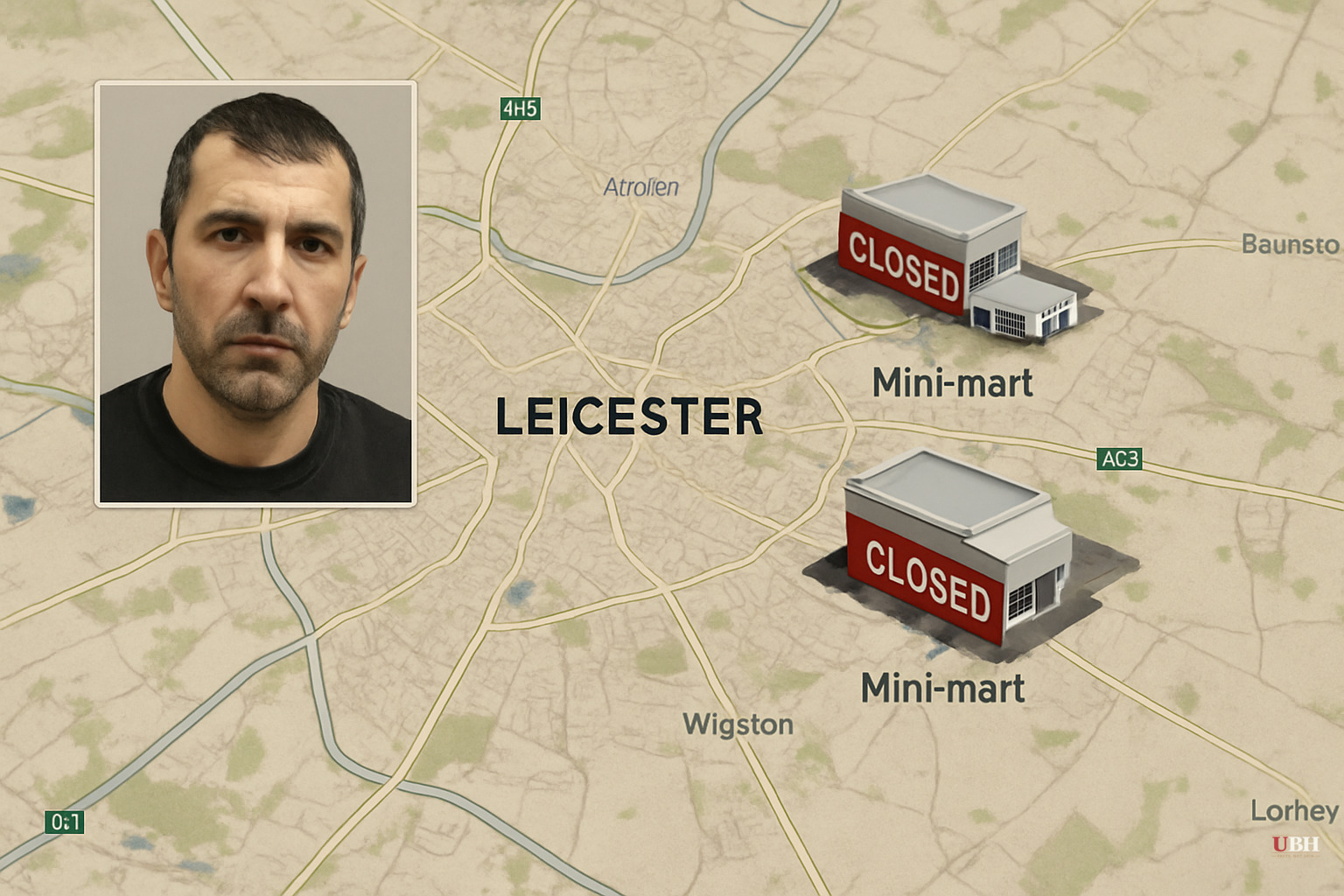
A Convicted Smuggler, an Asylum Claim, and Two Shops That Stayed Open
Twana Jamal is not an obscure figure. French authorities, who convicted him in 2016, called him one of the most successful people smugglers they had ever caught. At the height of his operation, he was earning up to £100,000 a week moving illegal immigrants across the English Channel, primarily through freight lorries. He received a five-year sentence and was told he faced deportation to Iraqi Kurdistan after his release.
He did not go back to Iraqi Kurdistan. He went to Leicestershire.
According to BBC News, Jamal has been in the UK claiming asylum, telling reporters he applied and is "still waiting." The name he used on that application is not known. BBC journalists observed him working at two Candy Corner mini-marts in Blaby, on the outskirts of Leicester. They saw him making deliveries, driving a BMW without a licence, and apparently operating under a false name.
UK law is unambiguous on this point: anyone who has served 12 months or more in prison overseas is supposed to be refused asylum. Jamal's five-year French sentence places him squarely in that category, if the application is properly assessed.
What He Said on Recording
BBC News obtained a recording in which Jamal boasted to a contact about his situation. "We know everyone in this city, this city is ours," he said. He described making "good money" and mentioned work "moving cigarettes" from a warehouse at £300 per job. "No-one touches us here. Even the police won't stop you."
Whether that bravado reflects reality or performance is an open question. What isn't open is that he was operating in the open, and no authority appeared to be looking.
Local Officials Say They Tried
After BBC News published its investigation, two local Liberal Democrat councillors came forward to say they had flagged the Candy Corner shops before any of this became national news. Councillor Paul Hartshorn said he filed five separate reports about illegal vape sales to Leicestershire County Council. Councillor Sue Jordan said she alerted Trading Standards three times.
ZERO enforcement action was taken on those eight combined reports before the BBC investigation ran.
Leicestershire County Council's response: it "receives hundreds of reports about the sale of illegal tobacco and illegal vapes" and acts on the intelligence it has. The council called it a "hugely challenging situation nationally."
That answer does not explain why eight specific, named reports about two specific shops produced no visible result.
The Strongest Counter-Argument
Trading Standards and local councils operate with limited resources and face a genuine volume problem. Illegal vape sales are endemic across the UK, and prioritisation is unavoidable. It is possible that the Candy Corner shops were in a queue. It is also possible that without intelligence connecting those shops to a convicted smuggler, they looked like routine compliance cases rather than something requiring urgent action.
This does not, however, address the separate and more serious failure: a man convicted of a serious organised crime in a foreign court, legally ineligible for UK asylum under existing statute, appears to have been in the country long enough to open shops, move product, and brag about being untouchable.
What Happened After the Investigation
Blaby District Council moved quickly once the BBC story published. Both Candy Corner stores were shut for 72 hours under anti-social behaviour laws. The council has filed for a three-month closure order, with a hearing at Leicester Magistrates Court scheduled for July 6.
No investigation into his asylum application has been publicly announced. It is not known whether the Home Office has begun reassessing his case in light of the reporting. The Home Office told BBC News that "all asylum claimants are subject to mandatory security checks to confirm their identity for the purpose of immigration, security and criminality checks" and that the UK has "a number of agreements with countries which enable the sharing of criminal record information."
Local Conservative MP for South Leicestershire, Alberto Costa, whose constituency office is next door to one of the shut shops, described Jamal's actions as "utterly unacceptable" and said he had contacted Leicestershire Police and would raise the matter with the Home Office at the "highest level."
The Unresolved Question
The BBC investigation surfaced Jamal because of a tip-off. The councillors' eight prior reports did not. The shops are now shut, but the underlying question remains: how did a man with Jamal's conviction record enter the UK asylum system, remain there, and work openly while authorities received repeated complaints about his premises? BBC News reports that immigration officers have said it has become more difficult to check criminal records from some other countries since the UK left the European Union — and that its investigation found more than 20 other people smugglers living in the UK, with law enforcement in Europe confirming 15 of those cases. Whether the failures in Jamal's case reflect a processing failure, an intelligence gap, or something else is what a parliamentary or Home Office accounting should address. None has been announced.
Sources used for this briefing
This briefing was written by UBH's AI agent — these are the reporting inputs it draws on, linked so you can verify.


