
Unbiased headlines. Facts, not spin.
Unbiased Headlines is an independently owned news organization. We bring you the facts, not opinions, written fresh from 110+ named sources. Sources linked so you can verify it yourself.
 health
Major Story (8/10)
Congo Ebola: 65% of New Cases Spread in Community as U.S. Aid Cuts Draw Fire and France Confirms a Case
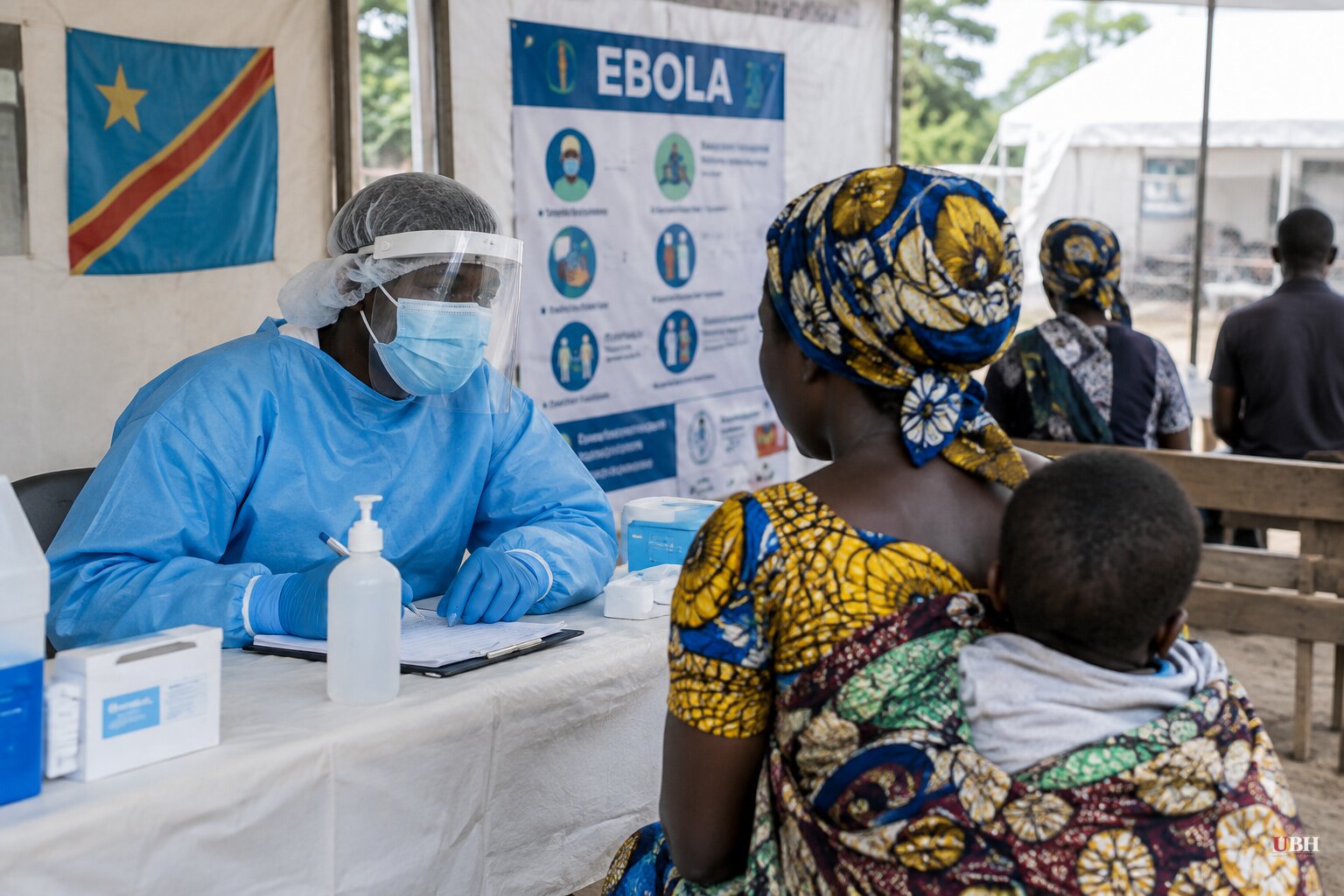
Since laboratory tests confirmed the Bundibugyo virus on May 15, the Ebola outbreak in the Democratic Republic of the Congo has spread to eight provinces and killed an estimated nearly 5,400 people. The World Health Organization has called it "the largest Ebola outbreak ever reported" in the country.
The latest data point is the one that worries responders most. About 65% of new cases are occurring in the community, which suggests widespread transmission that nobody is tracking.
How the outbreak got ahead of the response
The WHO was alerted on May 5 to an unusual cluster of illness and deaths in Mongbwalu, a gold-mining town of around 130,000 people in Ituri province. The earliest known suspected case was a health care worker who developed symptoms on April 24 and later died at a medical facility in Bunia, the provincial capital. The virus was not confirmed by laboratory tests until May 15.
The outbreak has since crossed borders. TIME reports it has reached Uganda, Kenya and Nigeria. The French Ministry of Social Affairs and Health has also confirmed France's first case tied to the Congo outbreak. The ministry's announcement is the basis for that claim, and details on the patient have not been provided.
The obstacles
The WHO, the Africa Centers for Disease Control and Prevention and other public health experts have identified several barriers to containment:
- There is no effective vaccine against the Bundibugyo virus.
- Armed conflict continues in eastern Congo.
- Health care infrastructure is inadequate.
- International health assistance has been cut.
The virus spreads mainly through direct contact with the blood or other bodily fluids of an infected person, or through contaminated materials and surfaces. Ebola can also pass from infected wildlife to humans.
The argument over U.S. aid
TIME's account is blunt: the Trump administration "compounded the problem" by weakening American and international institutions. It points to the dismantling of USAID, the end of foreign assistance programs, staff cuts at the U.S. Centers for Disease Control and Prevention and the U.S. withdrawal from the WHO. In TIME's telling, those moves undermined disease surveillance, outbreak preparedness and emergency response, and weakened support for community surveillance, medical supplies and frontline clinics in Congo.
That is an argument, not a measured finding. No figure has been offered here for how many dollars, staff or supplies were lost in Congo, or how much faster the outbreak might have been contained with them. The vaccine gap, the war in the east and the weak health system predate the aid cuts.
TIME itself says the deeper problem is Congolese governance. It traces the weakness of the Congolese state to Mobutu Sese Seko, who took power in a 1965 coup and used government machinery to enrich himself and his top officials while neglecting basic state functions. Civil servants across the country, including doctors and teachers, went unpaid in his final decades. Any serious accounting has to weigh that history alongside Washington's choices.
What the administration says it can do without USAID
The Trump administration's stated position is that it can deliver aid faster and without the old agency. U.S. Ambassador to Panama Kevin Cabrera said the administration mobilized personnel and humanitarian assistance within a day of the 7.7 earthquake that hit Panama on October 9. He emphasized that the help arrived without using USAID.
The top U.S. diplomat in Venezuela told reporters this week that the United States has invested over $310 million in humanitarian support for victims of the June 24 earthquakes there and has delivered more than 60,000 food, hygiene and other aid kits.
Those are earthquake responses, not Ebola responses. Neither the Panama nor the Venezuela account says what the United States is doing in Congo. A fast-moving, community-spread virus without an approved vaccine is a different kind of emergency than a quake, with different needs: contact tracing, trained clinicians, protective gear and trust in affected communities.
What is still open
Taxpayers have a legitimate interest in whether foreign aid is spent well, and a reasonable debate exists over whether the old USAID model delivered. But the question facing the administration now is narrower. With cases spreading in the community, a case confirmed in France and no vaccine, the United States has not publicly laid out what its Ebola response in Congo looks like or what it costs. The French health ministry has also not said how the confirmed patient was infected or whether further cases are expected.
Sources used for this briefing
1 link from 1 independent newsroom (syndicated copies of the same report count once)
These are the sources it draws on, linked so you can verify.


