
Unbiased headlines. Facts, not spin.
Unbiased Headlines is an independently owned news organization. We bring you the facts, not opinions, written fresh from 110+ named sources. Sources linked so you can verify it yourself.
 health
Low Interest (4/10)
Wisconsin confirms bird flu in Rusk County backyard flock, all birds destroyed
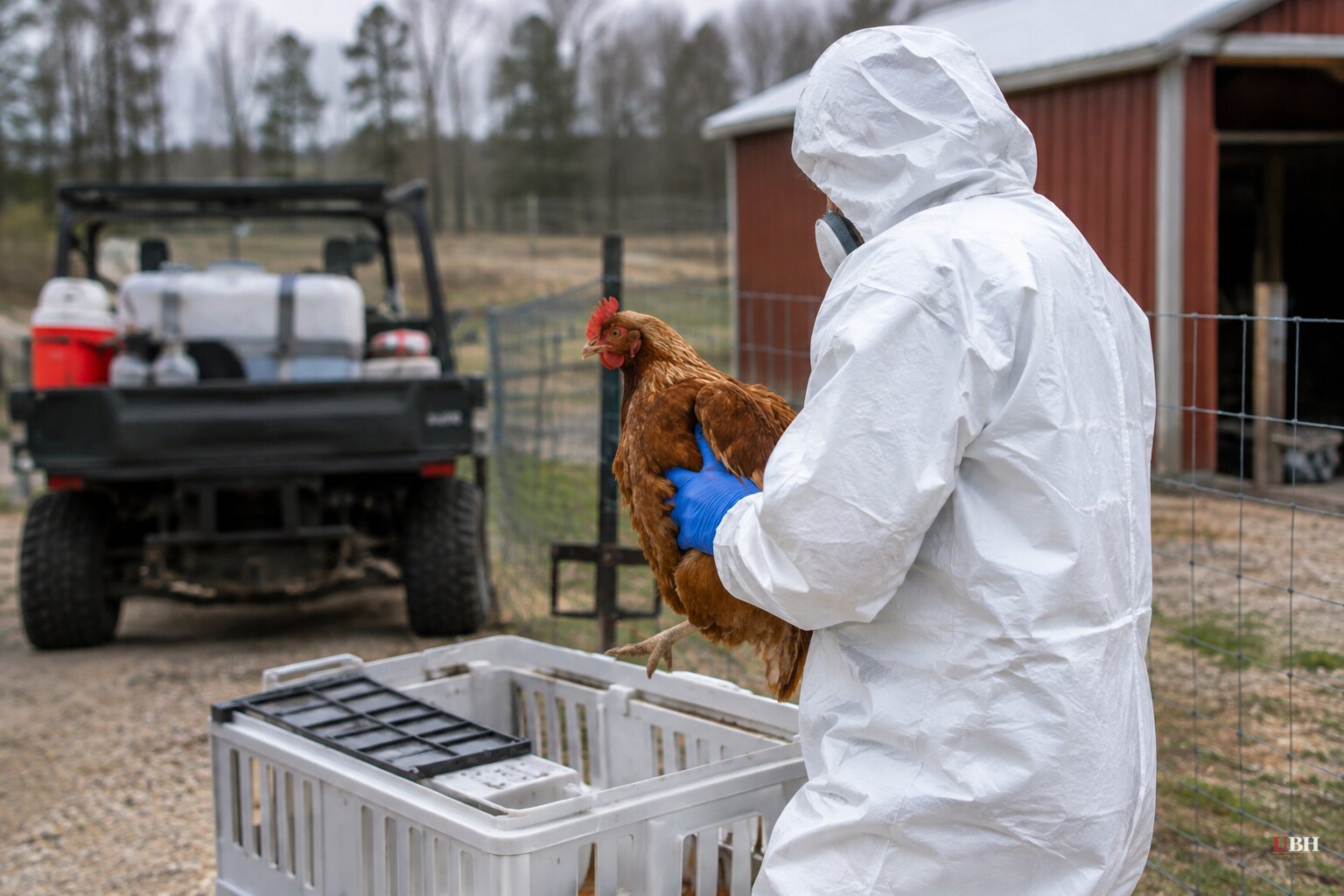
Highly pathogenic avian influenza has turned up in a backyard flock in northern Wisconsin.
The Wisconsin Department of Agriculture, Trade and Consumer Protection (DATCP) confirmed the case in Rusk County on Thursday. Birds on the property were depopulated, the agency said, and they will not enter the food system.
DATCP did not say how the flock became infected. It also has not released the size of the flock or the owner's identity in the information made public.
What the state says about the virus
HPAI is highly contagious and often fatal to domestic poultry, DATCP said. The virus has circulated among wild and domestic birds in North America since December 2021.
It is caused by influenza type A viruses. Severity varies with the strain and the species affected.
Since that December 2021 start, the agency said, the virus has also hit other species, including mammals. DATCP asks owners to report increased deaths or signs of illness in domestic birds, dairy cattle or other animals through the Animal Disease Reporting page on its website.
The department says the virus moves through several routes:
- Contact with infected birds
- Commingling with wild birds or their droppings
- Contaminated equipment
- Clothing worn by people working with the animals
The last route is a particular concern for small operations. A backyard owner doesn't need a wild goose in the coop. Dirty boots and shared tools can carry the virus in.
Surveillance zone and movement rules
When HPAI is diagnosed in a backyard flock, DATCP says it evaluates risk factors and may set up a 10-kilometer surveillance zone. That zone would come without movement restrictions for surrounding poultry premises.
Neighbors within that radius would not be locked down. They would be watched. The agency has not said whether it has actually put a zone in place around the Rusk County property.
What DATCP wants owners to do
The agency urged all livestock owners to tighten biosecurity. Its list:
- Wash hands
- Disinfect equipment
- Restrict access to animals
- Keep new additions to a flock or herd separate for at least 30 days
Poultry owners are also asked to keep birds indoors when possible.
State law requires every livestock owner to register where the animals are kept, and poultry counts as livestock for that purpose. DATCP says registration helps animal health officials reach flock and herd owners quickly during a disease outbreak. Flocks that are not registered are harder for the state to warn.
What is unresolved
The origin of this infection is the main unanswered question. DATCP has not said whether wild birds, equipment or people brought the virus onto the property, and without that answer neighboring owners have little to go on beyond the standard biosecurity advice.
The agency also has not said whether any other flocks in Rusk County are being tested. Whether DATCP sets up the 10-kilometer surveillance zone will indicate how it views the risk of spread beyond this one property.
Sources used for this briefing
7 links from 6 independent newsrooms (syndicated copies of the same report count once)
These are the sources it draws on, linked so you can verify.


