
Unbiased headlines. Facts, not spin.
Unbiased Headlines is an independently owned news organization. We bring you the facts, not opinions, written fresh from 110+ named sources. Sources linked so you can verify it yourself.
 economy
Notable (6/10)
economy
Notable (6/10)
Compass-MLS Deal Hides Chicago Listings From Public Search, Drawing Bipartisan Scrutiny in Congress
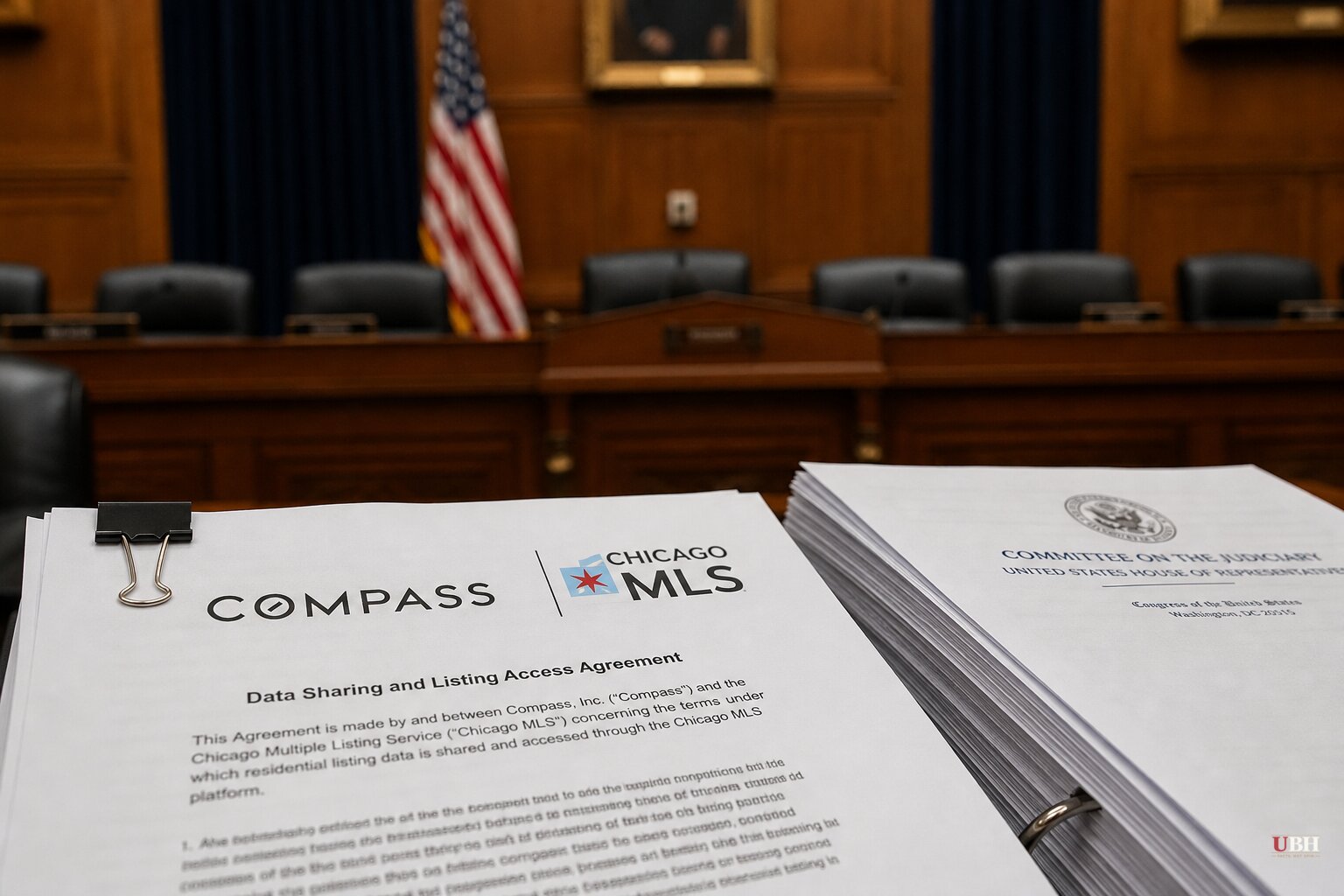
Since the 21st Century ROAD to Housing Act became law in July 2026, Congress has been on a run of housing legislation aimed at cutting red tape and blocking private equity from buying up starter homes. A separate and less-discussed fight is now surfacing over who gets to see a home listing in the first place.
Compass, described by Daily Wire as the world's largest real estate brokerage, has entered a partnership with MRED, the multiple listing service that runs the Chicago-area market. Under the deal, certain homes for sale are kept out of the public MLS feed that ordinary websites and buyers rely on and placed instead inside a private network. Access to that private network is limited to brokers who belong to MRED and pay its fees.
For most of the last several decades, the MLS system worked the same way everywhere: every home for sale went into one shared database, and every broker and public-facing website pulled listings from it. That transparency is what let sites like Zillow, Redfin, and Realtor.com show buyers essentially the same inventory a broker would see.
The Compass-MRED arrangement breaks from that. A home can now be actively marketed for sale while remaining invisible to a buyer searching public listing sites, unless that buyer works with an agent plugged into the private network. Because a single MLS typically dominates a given metro area, a consumer locked out of that network has few alternatives.
Rep. Scott Fitzgerald (R-WI) has begun examining the practice as part of congressional scrutiny that Daily Wire says has drawn interest from both parties. No formal antitrust investigation, subpoena, or enforcement action by the Department of Justice or Federal Trade Commission has been announced tied to the Compass-MRED partnership specifically. What exists right now is congressional attention, not a legal finding of wrongdoing.
The case for private listings
There is a good-faith argument for why a seller or brokerage might want a listing kept off the public MLS, at least temporarily. Homes that sit on public sites for weeks accumulate a "days on market" count that can spook buyers into thinking something is wrong with the property or give them leverage to lowball an offer. A seller testing a price quietly, or one who wants to control showings before opening a house to the general public, has real incentives to limit exposure at first. Industry defenders of exclusive or "office-only" listings have made versions of this argument for years, arguing it gives sellers more control over their own sale process.
The counterargument, made implicitly by the scrutiny itself, is that when the gatekeeper of listings in an entire region, the MLS, is also the one deciding which homes disappear behind a paywall for brokers, ordinary buyers lose the one tool that let them shop on equal footing with agents. A buyer without a broker in the private network simply never sees the home at all.
Where this fits in the broader affordability picture
Daily Wire ties the MLS dispute to a wider argument that high home prices come from multiple, compounding sources: zoning restrictions, environmental review requirements, and interest rates chief among them. The outlet credits the ROAD to Housing Act with addressing several of those, including a provision that restricts private equity firms from buying starter homes for rental conversion, and credits reduced illegal immigration, which Daily Wire says even the Los Angeles Times has acknowledged eases housing demand pressure, with contributing on the demand side.
The outlet also points to a January 2026 Trump administration order directing Fannie Mae and Freddie Mac to purchase $200 billion in mortgage-backed securities, which Daily Wire says pulled 30-year fixed mortgage rates down to their lowest levels in months. None of the sourcing available specifies the exact rate reached or independently verifies the LA Times characterization beyond Daily Wire's own summary of it.
What remains unresolved is whether the MLS-listing practice amounts to anything Congress or federal regulators can act on. Fitzgerald's inquiry has not, based on available reporting, produced legislation, a hearing date, or a referral to antitrust enforcers. Whether the private-listing model spreads beyond Chicago to other MLS regions, and whether it draws a formal DOJ or FTC review, remains the open question in the next phase of this fight.
Sources used for this briefing
1 link from 1 independent newsroom (syndicated copies of the same report count once)
These are the sources it draws on, linked so you can verify.


