
Original briefings. Zero spin.
Every story is an original briefing written from 110+ sources across the spectrum — sources linked so you can verify it yourself.
 defense
Major Story (7/10)
September 14, 2026 at 01:31 AM
defense
Major Story (7/10)
September 14, 2026 at 01:31 AM
Colombia's Hardline President Faces Drone War Surge and Court Setbacks One Month Into His Term
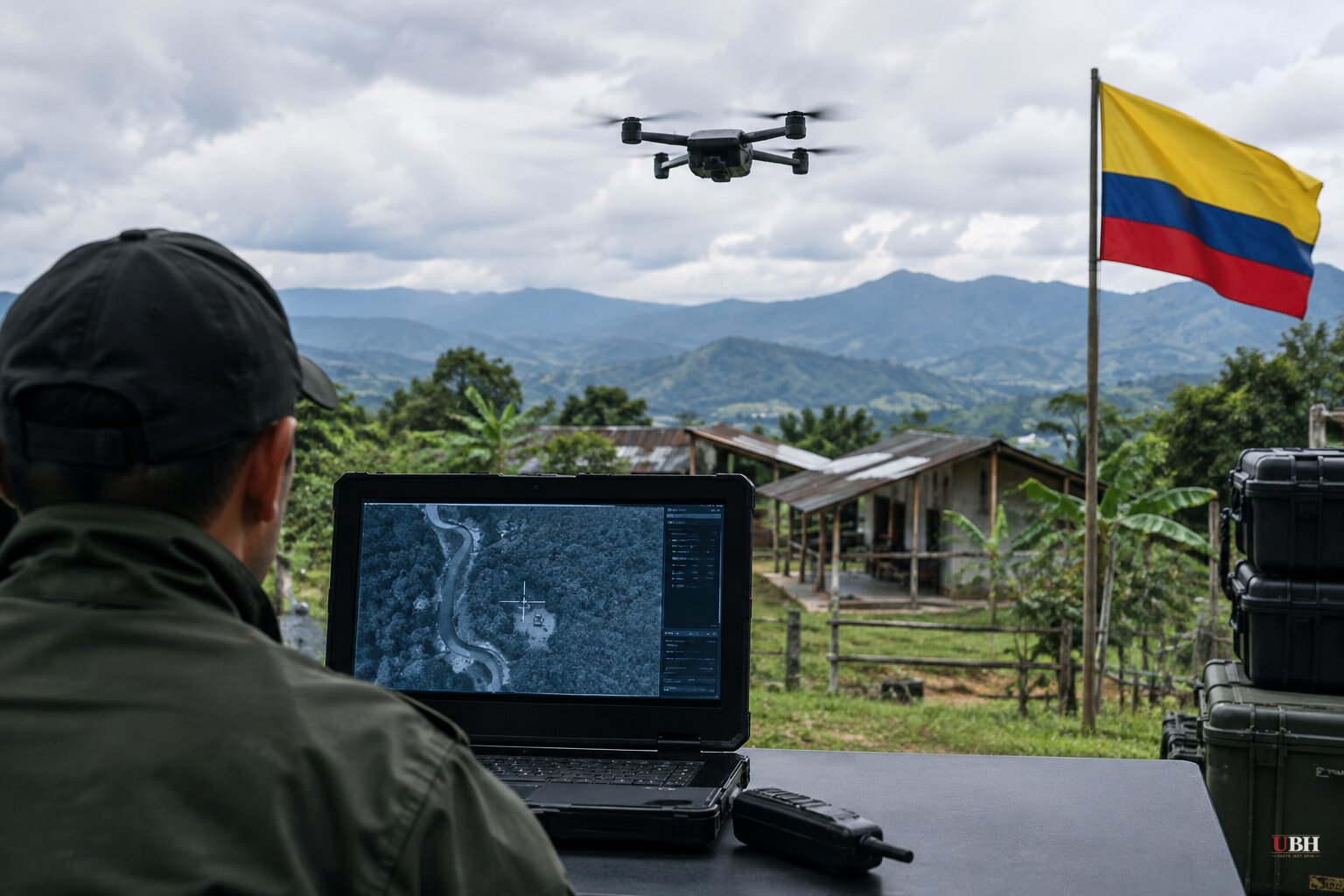
Colombia's new far-right president, Abelardo de la Espriella, campaigned on ending four years of failed peace talks with a simple message to armed groups: prison or death. One month into his term, he has the bloodiest stretch of fighting the country has recorded since 2018, and a growing list of legal defeats.
De la Espriella, a millionaire lawyer with no prior political office, beat leftist senator Iván Cepeda by roughly one percentage point in the June 2026 election, according to The Independent. He replaced Gustavo Petro, whose "Total Peace" strategy of negotiating with guerrilla and paramilitary groups had, in the view of much of the electorate, failed to reduce violence. Analysts have nicknamed de la Espriella a "mini-me Trump" for his rhetoric and his open admiration for the U.S. president.
The Deadliest Month Since 2018
Sworn in on August 7, de la Espriella immediately shifted Colombia's military toward direct confrontation. August became the deadliest month for clashes between security forces and armed groups since the conflict monitor ACLED began tracking Colombia in 2018, with 84 deaths, The Independent reported.
Armed groups responded by escalating drone warfare. ACLED recorded around 30 drone attacks on Colombian security forces in the government's first three weeks, concentrated in the Cauca and Norte de Santander regions, according to The Independent. That is four times the number recorded in the three weeks before de la Espriella took office.
Tiziano Breda, ACLED's Latin America regional expert, told The Independent the psychological toll on civilians is severe even when they aren't hit. "Whenever they hear the buzzing of drones, even when not physically impacted, it has psychologically impacted civilians," Breda said. Colombia now accounts for 97 of the 182 municipalities across Latin America where ACLED records weaponized drone activity. The group logged just one such event in 2023; that number rose to roughly 150 in 2025 and has already hit nearly 200 so far in 2026. Crisis Group analyst Bram Ebus has separately documented how armed factions, including the ELN, picked up drone tactics after clashing with 33rd Front fighters, dissidents of the former FARC militia.
Courts Push Back
While de la Espriella escalated on the ground, Colombian courts started blocking him. A judge suspended his pilot program to resume aerial fumigation of coca crops, citing the environmental and health impacts of the pesticides the government planned to use, according to Pirate Wire Services. That is a legitimate concern raised for years by public health researchers and environmental groups over glyphosate spraying, and the court sided with it.
Separately, a Bogotá judge suspended further government bombings in Guaviare after strikes against non-state armed groups killed at least three children, Pirate Wire Services reported. Colombia's Defensoría del Pueblo, the country's human rights ombudsman office, also criticized de la Espriella for posting photos of the bodies of alleged fighters killed by security forces on social media and the presidential website. During his first three weeks, the president's office listed at least 72 people killed in security operations. A judge ordered the images taken down, and de la Espriella has since stopped posting daily kill counts.
Budget Breaks a Core Promise
De la Espriella campaigned on cutting government spending by a third and blasted Petro for fiscal excess. His proposed 2027 budget is the largest in Colombian history, according to Pirate Wire Services, and his ministers have declined to defend it before Congress, instead blaming spending they say was inherited from Petro's administration, without providing specifics.
That contradiction, combined with a decree loosening decades-old restrictions on carrying firearms for self-defense and plans to organize "self-defense" civilian militias, has drawn a sharp reaction from labor groups. More than 1,500 delegates from labor federations, teachers' unions, peasant organizations and ethnic communities agreed on Friday to call for a national strike, Pirate Wire Services reported. Colombia's autodefensa paramilitary movements have a violent history tied to death squads and drug cartels, and opposition parties are organizing protests over the plan.
Washington Is Watching Closely
Secretary of State Marco Rubio has visited Colombia and praised de la Espriella's crackdown on organized crime, according to Breitbart. De la Espriella has also presented a dossier alleging 80 corruption complaints against the Petro administration. Argentina's secretary of security, Alejandra Monteoliva, has separately said South America produces roughly 4,000 tons of cocaine a year, underscoring the scale of the trafficking economy funding the drone-armed militias.
Colombia does not publish monthly details of ongoing security operations, so it remains unclear whether de la Espriella's bombing campaign has resumed in any form since the Guaviare ruling. Whether his government can sustain an all-out military strategy while courts constrain its methods, unions threaten a national strike, and his own budget contradicts his fiscal platform will likely become clearer as 2026 winds down.
Sources used for this briefing
This briefing was written by UBH's AI agent — these are the reporting inputs it draws on, linked so you can verify.


