
Unbiased headlines. Facts, not spin.
Every story is an unbiased news briefing written from 110+ sources across the spectrum — sources linked so you can verify it yourself.
 energy
Notable (6/10)
August 1, 2026 at 06:05 PM
energy
Notable (6/10)
August 1, 2026 at 06:05 PM
Colombia's Deforestation Rose 5% in 2025, Amazon Loss Stays High
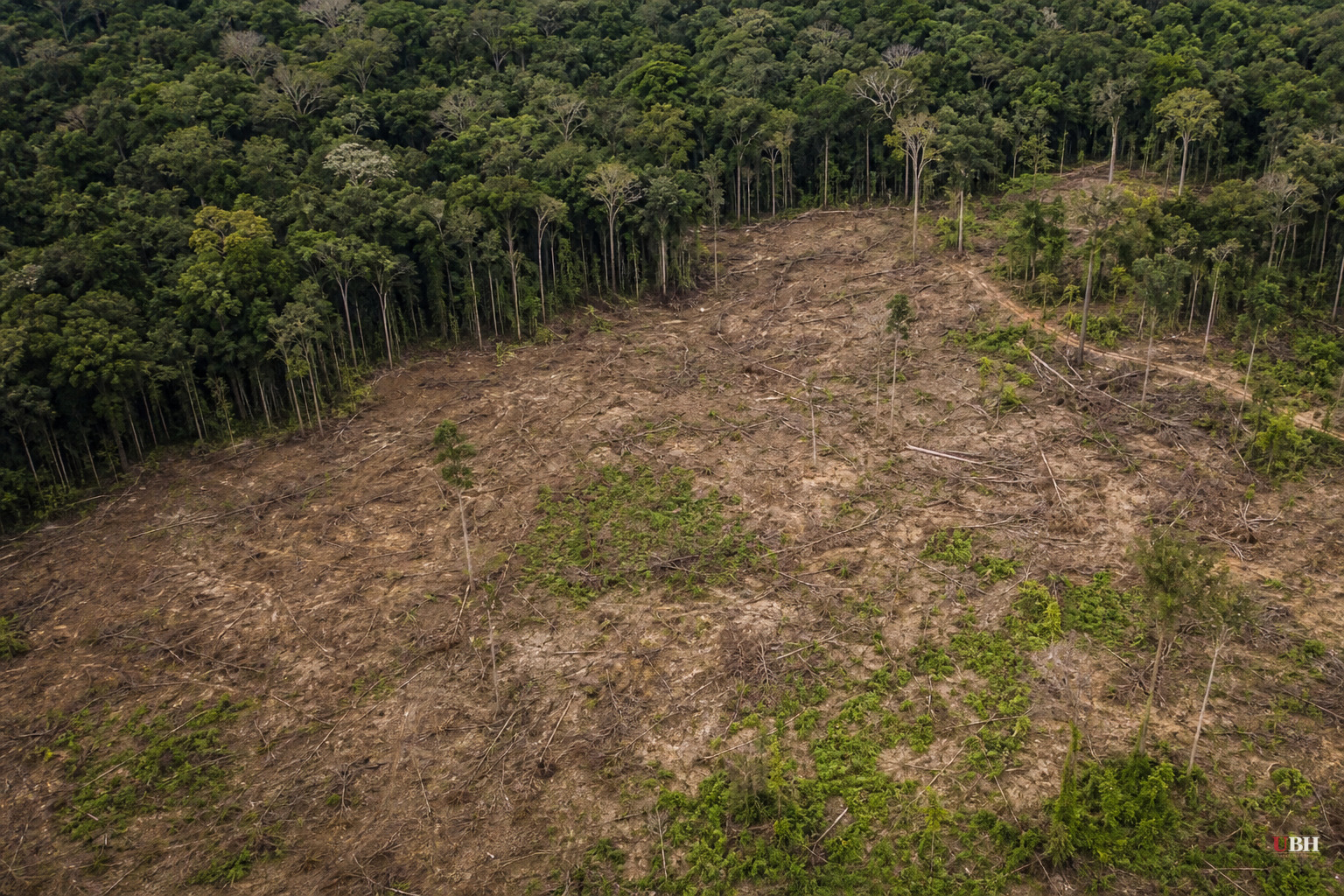
Colombia lost more forest in 2025 than it did the year before, according to AP News. Deforestation rose 5% nationwide, with the Amazon region once again bearing the brunt of the damage.
Colombia's government, under President Gustavo Petro, has repeatedly framed itself as a global leader on climate and forest protection. Petro has pushed for debt-for-nature swaps and made forest preservation a centerpiece of his foreign policy pitch. A 5% increase in deforestation conflicts with the trend line his administration promised.
What's driving the loss
Cattle ranching remains the single biggest driver of forest clearing in Colombia's Amazon territory. Land is cleared, grass is planted, cattle are grazed, and the land gets titled or sold, according to the reporting. That pattern has persisted for decades in Colombian deforestation and hasn't broken.
Coca cultivation also continues to eat into forest cover. Colombia remains the world's largest producer of coca, the raw material for cocaine, and clearing land for coca fields is a direct driver of forest loss in remote regions where state presence is thin.
Land speculation and illegal land grabbing compound both problems. Armed groups and criminal networks, some of them former FARC factions that never fully demobilized, control large stretches of Amazon territory and profit from land conversion, whether for cattle, coca, or resale to speculators betting on future land titling.
The bigger picture stays roughly flat
Despite the 5% increase, deforestation pressure across the Amazon overall has held fairly steady rather than exploding, according to the reporting. It means Colombia hasn't seen a catastrophic spike, yet years of environmental pledges, summits, and funding commitments haven't meaningfully bent the curve downward either.
For Colombia's government and international donors who've poured money into Amazon protection schemes, this is significant. Norway and Germany, among others, have funded Colombian forest conservation programs tied to measurable reduction targets. A 5% increase doesn't automatically kill those payments, but it undercuts the argument that the money is working as intended.
The fair counter-argument
Defenders of Colombia's approach note that enforcement in the Amazon is genuinely difficult. Much of the territory losing forest cover is controlled by armed groups, not the state. Sending police or military into some of these zones risks violent confrontation, and Colombia's peace process with various armed factions remains fragile.
A single-year 5% increase, while a step backward, is not proof that Colombia's broader conservation strategy has failed outright. Deforestation numbers bounce around year to year based on enforcement surges, commodity prices for beef and coca, and shifts in armed-group territorial control. One bad year doesn't erase a longer trend, and Colombia's government can reasonably argue it needs more time and more resources, not less, to make headway against criminal networks operating in ungoverned space.
Colombia has missed its own deforestation reduction targets before. The drivers—cattle, coca, and armed-group land control—have proven durable across multiple administrations of different political stripes. That's a structural problem, not a partisan one.
What's unresolved
The reporting doesn't specify which departments or regions saw the sharpest increases, nor does it detail whether Petro's administration has announced any new enforcement or funding response to the 2025 numbers. It's also unclear how this figure interacts with Colombia's existing carbon-credit and debt-swap arrangements with international partners, several of which are tied to hitting specific forest-loss thresholds.
The open question going forward: does a 5% year-over-year increase trigger any contractual consequences under Colombia's existing conservation-finance deals, or does it get absorbed as noise in a multi-year target? Colombia's environment ministry has not been quoted publicly responding to the 2025 figures in the available reporting, and no specific policy change has been announced as of this writing.
Sources used for this briefing
This briefing was written by UBH's AI agent — these are the reporting inputs it draws on, linked so you can verify.


