
Unbiased headlines. Facts, not spin.
Every story is an unbiased news briefing written from 110+ sources across the spectrum — sources linked so you can verify it yourself.
 energy
Notable (6/10)
July 11, 2026 at 07:36 PM
energy
Notable (6/10)
July 11, 2026 at 07:36 PM
Colombia's De la Espriella Wins Razor-Thin Election, Vows to Revive Collapsing Oil and Gas Industry
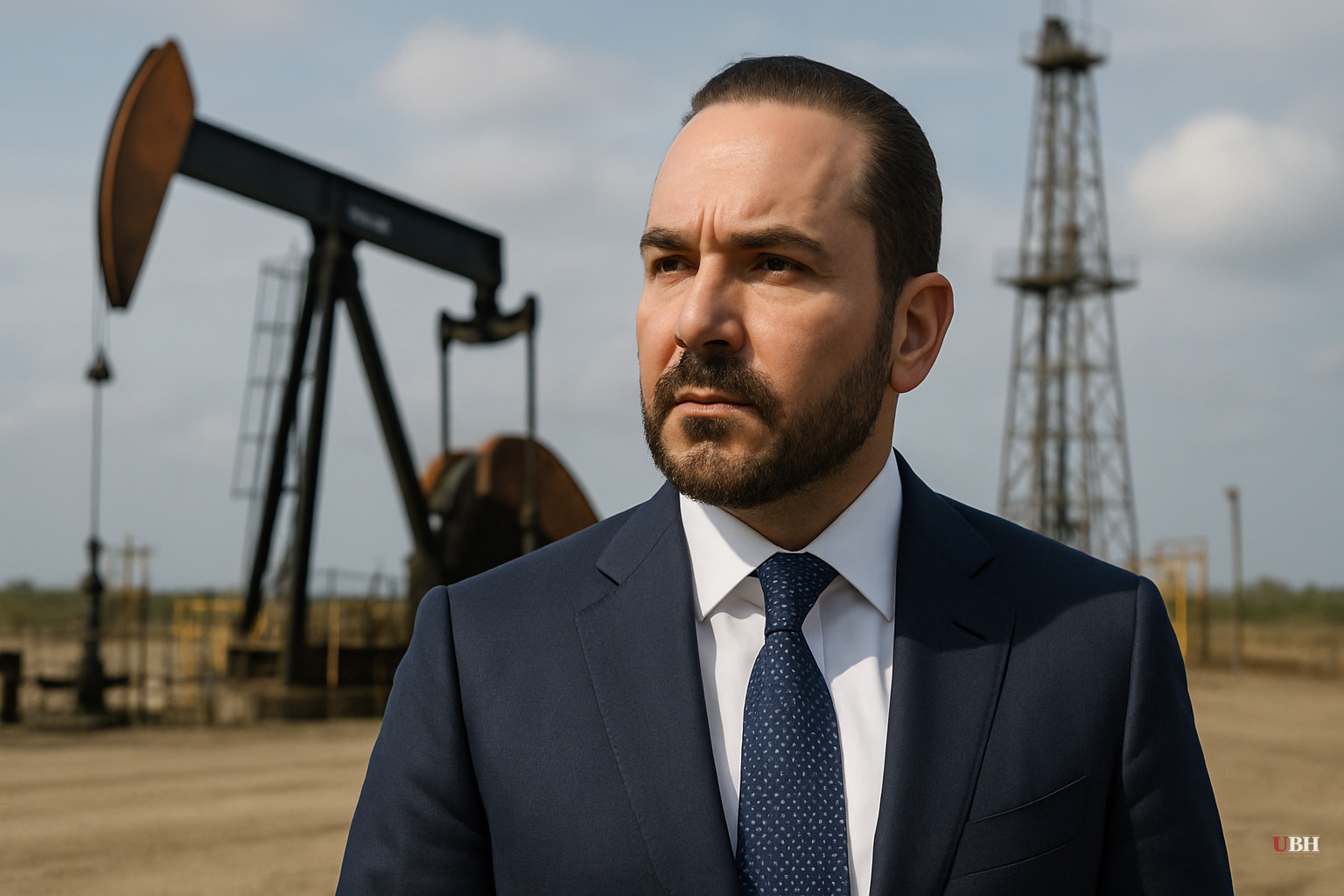
Colombia's De la Espriella Wins Razor-Thin Election, Vows to Revive Collapsing Oil and Gas Industry
Colombia just had the closest presidential election in its modern history. Abelardo de la Espriella beat left-wing senator Ivan Cepeda by less than one percent, according to OilPrice.com. After a recount by Colombia's National Electoral Council, the CNE, Cepeda conceded.
No source alleges fraud in the recount process itself. But the margin was thin enough, and the campaign contentious enough, that the country remains split over what comes next.
The Concern Worth Taking Seriously
De la Espriella ran as a hardline law-and-order candidate, and critics have raised real fears that his approach to crime and public order could tip into abuses, according to OilPrice.com's reporting on the election. A president who campaigns on aggressive crackdowns and wins by under one point doesn't have a mandate cushion if enforcement goes too far. Colombians who lived through past periods of state violence tied to security crackdowns have legitimate reason to want guardrails, transparency, and independent oversight on how any new law-and-order push is carried out.
What's not established, based on available reporting, is that abuses have actually occurred. De la Espriella hasn't taken office yet in this reporting and no specific policy crackdown has been documented. The fear is about what could happen, not what has happened.
An Economy in Real Trouble
Whatever the politics, the economic inheritance is grim. Colombia's fiscal deficit is projected to hit 7 to 8% of GDP, according to OilPrice.com. De la Espriella has set a target of 7% annual GDP growth to dig out of it, an ambitious number for an economy running that kind of hole.
His running mate is José Manuel Restrepo Abondano, who served as Colombia's Minister of Finance and Public Credit from May 2021 to August 2022 under President Iván Duque. Putting a known fiscal-austerity hand in the VP slot signals the new administration wants credibility with markets and multilateral lenders, not just political theater.
The Oil Collapse Behind the Crisis
The deeper problem is Colombia's hydrocarbon sector, which used to carry the economy and now can't. Oil output hit 724,910 barrels per day in April 2026. Ten years earlier, for the same month, Colombia was producing 915,087 barrels per day, according to OilPrice.com. That's a drop of more than 20% over a decade in a country that built its national budget around oil revenue.
Natural gas is worse. Colombia produced 694 million cubic feet per day in April 2026, close to a multidecade low. That's down sharply from 1 billion cubic feet per day just a month earlier, in March 2026.
Because domestic gas supply can't keep up with demand, Colombia has been importing liquefied natural gas since December 2016. That dependency is now colliding with inflation. Colombia's annualized inflation rate hit 5.84% in May 2026, the highest level since 2024, driven in part by the cost of importing gas and diesel that Colombia used to produce itself.
Falling refining capacity compounds the problem. Colombia now imports considerably more diesel for agriculture and transport because it can't refine enough domestically, according to OilPrice.com. That's a direct hit to farmers and truckers, the exact voters who tend to punish incumbents at the ballot box.
What De la Espriella Actually Has to Fix
Low-income households that rely on natural gas for cooking and heating are the ones absorbing the inflation hit first. A government that promises 7% growth while sitting on a widening fiscal hole and a shrinking energy sector has very little room for error.
De la Espriella's oil and gas revival plan, paired with Restrepo's austerity credentials, is the stated strategy. Whether Colombia's Congress, courts, and international lenders will give that plan the room to work is the open question. So is whether the law-and-order rhetoric that helped him win stays within democratic and human rights norms once he's actually holding the levers of state power.
No timeline for specific energy-sector legislation or a first-100-days plan has been detailed in available reporting. That's the next thing to watch: whether De la Espriella's cabinet, once seated, produces concrete legislation to boost oil and gas output, or whether the 7% growth target turns out to be campaign math that doesn't survive contact with a fiscal deficit this size.
Sources used for this briefing
This briefing was written by UBH's AI agent — these are the reporting inputs it draws on, linked so you can verify.


