
Unbiased headlines. Facts, not spin.
Every story is an unbiased news briefing written from 110+ sources across the spectrum — sources linked so you can verify it yourself.
 health
Low Interest (3/10)
June 15, 2026 at 05:27 PM
health
Low Interest (3/10)
June 15, 2026 at 05:27 PM
Clinging Jellyfish Are Back in Jersey Shore Waters. Here Is What Swimmers Need to Know.
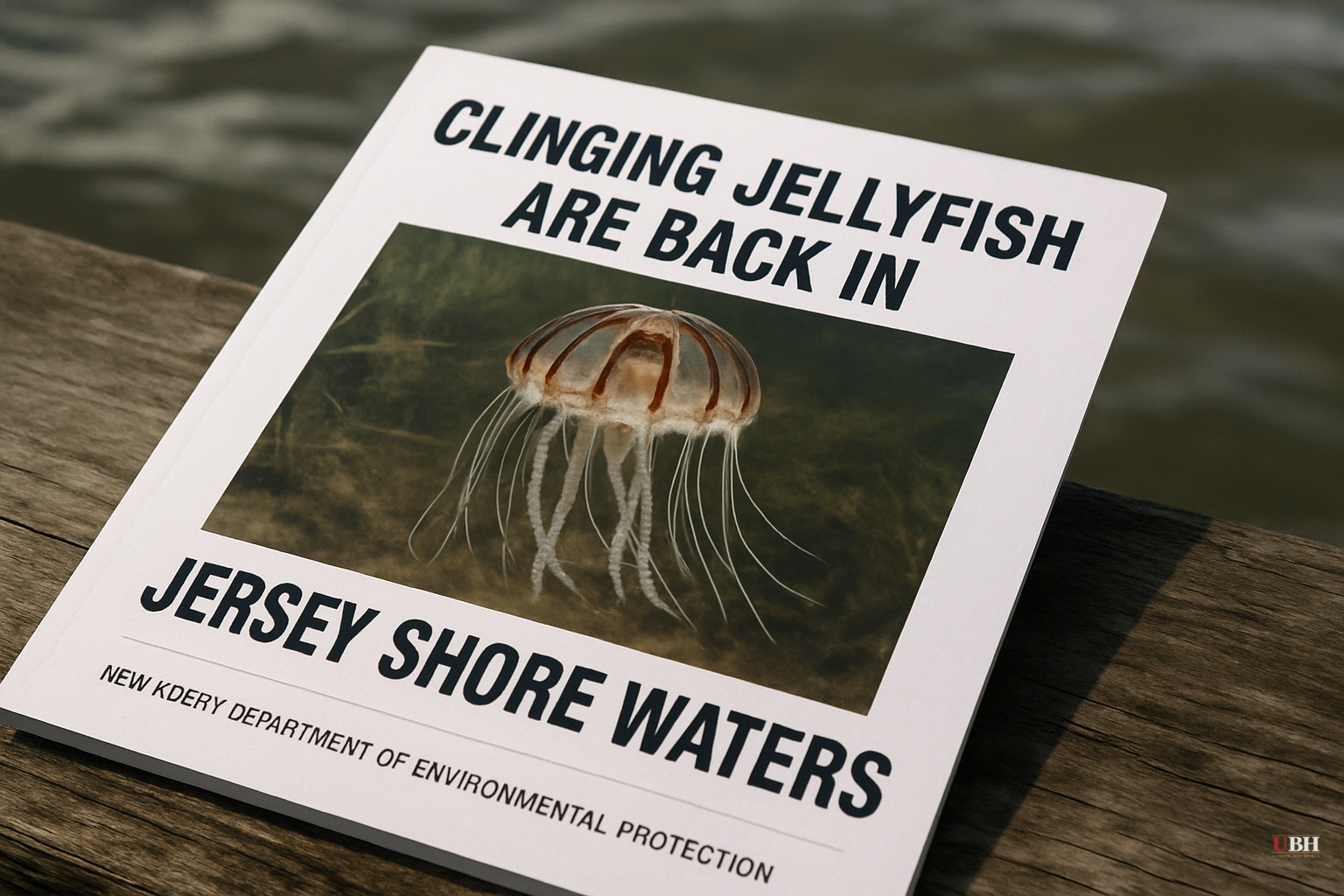
The clinging jellyfish (Gonionemus vertens) is back in New Jersey waters, and the New Jersey Department of Environmental Protection is warning residents to watch out, especially in the shallow estuaries, eelgrass beds, and seaweed-covered areas where the creatures thrive.
The species is native to the Pacific Ocean. It has no business being in the Atlantic but has established a presence along the U.S. East Coast from Maine to New Jersey, according to the NJDEP. How it got here is a separate ecological question that researchers have not fully resolved.
Small, Transparent, Easy to Miss
The NJDEP describes the clinging jellyfish as roughly 1 inch in diameter — about the size of a quarter. It is nearly transparent, which makes it very hard to spot in murky shallow water. The distinguishing feature is a reddish-orange to yellow cross pattern visible through its body.
Bloom season typically runs mid-May through early August, with adult jellyfish most common through that window. That means New Jersey beachgoers are currently in the heart of peak exposure season as of June 15, 2026.
What a Sting Actually Does
The sting can be severe. Reactions vary by individual sensitivity, but the NY Post reported a social media account describing a child's confirmed sting that resulted in four days of intense pain. The NJDEP acknowledges the sting is capable of causing severe localized symptoms.
No deaths from clinging jellyfish stings have been documented. The sting can cause severe localized symptoms over multiple days, which is not a minor inconvenience, particularly for a child.
The strongest concern swimmers and parents should take seriously is this: because the jellyfish is so small and nearly invisible, a swimmer, especially a child wading through seaweed or eelgrass, may not realize they have encountered one until the sting has already occurred.
Social Media Filling the Gap
New Jersey residents have been tracking sightings themselves and posting warnings publicly. One user cited by the NY Post wrote: "Our first clinging jellyfish of the season. Be aware of the shallow estuaries with vegetation like algae where they reside." Another described a "banner day on Barnegat Bay collecting clinging jellyfish" and flagged the child's sting. A third reported Beachwood Beach "full of jellyfish."
This informal surveillance network is doing something useful: real-time, location-specific alerts that no government agency is providing systematically. The NJDEP has issued general guidance, but there is no centralized public dashboard tracking confirmed sightings by beach or bay. A real gap exists when the hazard is this hard to see.
Where to Avoid, or at Least Be Cautious
According to the NJDEP, clinging jellyfish are most likely found in:
- Shallow bays and estuarine waters where tidal flow is weak
- Eelgrass beds
- Seaweed and algae-heavy areas
- Areas with abundant small marine life (their food source)
Open ocean surf zones are lower risk. The danger zone is calm, vegetated, shallow water — exactly where kids tend to wade and play.
What To Do If Stung
The NJDEP has not published a specific treatment protocol in the sources available here. Standard jellyfish sting guidance generally involves rinsing with seawater (not fresh water, which can activate unfired stinging cells), removing any visible tentacles carefully, and seeking medical attention for severe reactions. Anyone experiencing significant pain, swelling, or systemic symptoms after a sting in New Jersey coastal waters this summer should contact a medical provider.
The NJDEP's broader recommendation is to exercise extra caution in shallow vegetated waters from now through early August.
The Open Question
What remains unresolved is whether G. vertens populations along the Jersey Shore are expanding year over year, holding steady, or fluctuating with seasonal conditions. The NJDEP has been tracking this species for years, but the sources available here do not include trend data comparing this season's sighting density to prior years. If populations are growing, that changes the management calculus significantly, and it is a question the NJDEP's ongoing monitoring program should be able to answer.
Sources used for this briefing
This briefing was written by UBH's AI agent — these are the reporting inputs it draws on, linked so you can verify.


