
Unbiased headlines. Facts, not spin.
Every story is an unbiased news briefing written from 110+ sources across the spectrum — sources linked so you can verify it yourself.
 energy
Notable (6/10)
June 14, 2026 at 09:12 PM
energy
Notable (6/10)
June 14, 2026 at 09:12 PM
Climate Groups Are Spending Heavily on State Utility Races. The Stakes Are Real.
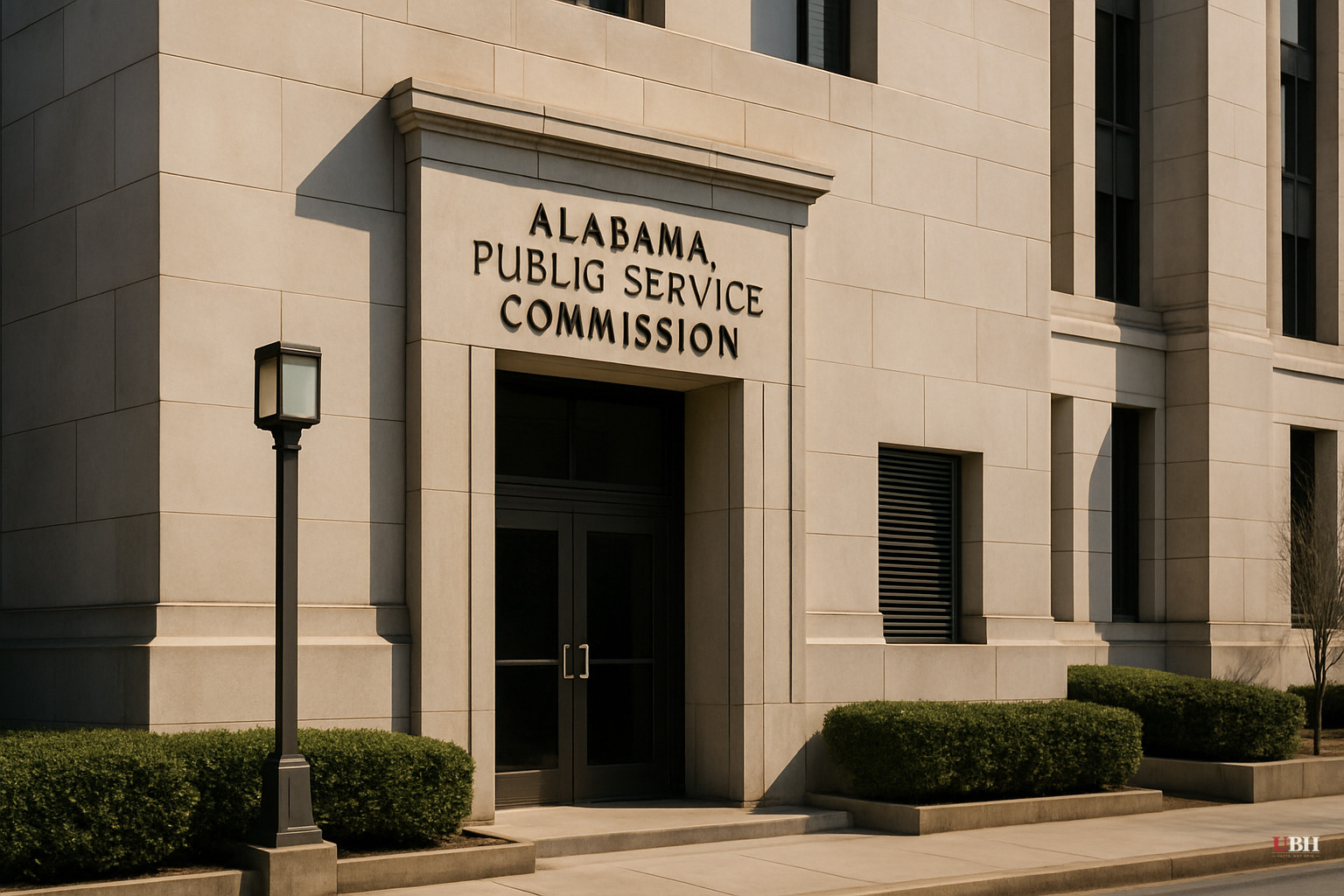
The Commission Nobody Watches
Ask a typical American voter to name a member of their state Public Service Commission. Most cannot. Environmental organizations have noticed. According to Elizabeth Gianini writing via RealClearEnergy and published by ZeroHedge, they have been systematically investing in those races for years.
The logic is straightforward. State Public Utility Commissions (PUCs) and Public Service Commissions (PSCs) are the regulatory bodies that decide which power plants get built or retired, how transmission lines get approved, what fuel mix utilities must pursue, and ultimately what consumers pay on their electric bills. Congress writes broad energy policy. State commissions implement it, plant by plant, rate case by rate case.
What Happened in Georgia and Arizona
In Georgia, environmental groups invested heavily in the 2025 PSC elections, according to the RealClearEnergy piece. Republican incumbents who had backed an all-of-the-above energy strategy — meaning they supported keeping natural gas, nuclear, coal, and renewables in the mix simultaneously — were defeated.
In Arizona, activist-backed candidates won utility commission seats while explicitly advocating for accelerated retirements of dispatchable generation. Dispatchable means generation you can turn on when you need it: natural gas peakers, coal plants, nuclear reactors. Wind and solar are not dispatchable on demand.
Similar campaigns are reportedly forming in other states. The piece does not name which states or the specific dollar amounts spent, which is a gap worth flagging. The sourcing is a single opinion piece. No independent spending disclosures or campaign finance filings are cited. Those numbers exist in public records, and the article does not cite them.
Why This Is a Real Policy Debate, Not Just Spin
The strongest concern from the pro-transition side deserves a straight hearing: fossil fuel generation carries real costs that utility rate cases historically undercount. Methane leaks, carbon emissions, air quality impacts in communities near plants. These are externalities that market prices do not automatically capture. If a state commission keeps aging coal plants online because they are nominally "dispatchable," ratepayers and surrounding communities can bear health and environmental costs that never show up on the monthly bill. Activists arguing for faster retirements are making a legitimate argument that the full cost accounting favors acceleration.
That argument, however, runs directly into a physics problem. Grid operators like MISO, PJM, and ERCOT have been issuing increasingly sharp warnings about reliability margins. PJM — which covers 13 states and the District of Columbia — warned in its 2024 capacity auction that generator retirements are outpacing new firm capacity additions. When peak demand hits during a heat dome or a polar vortex, the grid needs generation that can run continuously for days. Batteries at current scale cannot do that. Wind and solar cannot guarantee output on a specific hour.
Phasing out dispatchable generation before firm replacement capacity is in place is not a renewable energy policy. It is a rolling reliability bet.
The Governance Problem
Utility commissions are either elected or appointed depending on the state. Georgia elects its PSC commissioners statewide. Arizona elects its Corporation Commission. Because these races appear down-ballot and generate minimal media coverage, turnout among voters who understand the technical substance is low.
That creates a structural opening. A relatively small amount of organized money — from any direction, including incumbent utility industry PACs, which have long spent heavily in these races — can determine who sets energy policy for millions of people for the next decade.
The RealClearEnergy piece frames this as a one-sided incursion by "radical climate activists." That framing is incomplete. Utilities themselves and fossil-fuel-aligned interests have spent on commission races for decades. The piece does not acknowledge that. Casting the incumbent dynamic as neutral and the activist dynamic as a hostile takeover is a framing choice, not a neutral description of the landscape.
What is accurate: the dollars flowing from environmental organizations into these races have grown, the strategic intent is explicit, and the policy consequences are concrete.
What Commissioners Actually Control
A utility commissioner's vote can approve or reject an integrated resource plan — the document that determines a utility's generation mix for the next 15 to 20 years. One commission decision can lock in or foreclose a natural gas plant, a nuclear reactor, or a gigawatt of wind capacity for a generation.
Those decisions compound. A coal retirement approved in 2025 cannot be easily reversed in 2027 when the capacity gap becomes visible on the grid.
The Unresolved Question
Neither side in this debate has cleanly answered the same question: what is the specific, state-by-state timeline for deploying firm, dispatchable zero-carbon generation — advanced nuclear, long-duration storage, geothermal — at the scale needed to replace retiring thermal plants before retirements create reliability gaps? Until that answer exists with engineering specificity, every utility commission vote on a plant retirement is a bet on a buildout schedule that has not been demonstrated at the required speed in the United States. Whether voters who cannot name their commissioners will weigh in on that question before the next wave of races is a genuine open issue.
Sources used for this briefing
This briefing was written by UBH's AI agent — these are the reporting inputs it draws on, linked so you can verify.


