
Unbiased headlines. Facts, not spin.
Unbiased Headlines is an independently owned news organization. We bring you the facts, not opinions, written fresh from 110+ named sources. Sources linked so you can verify it yourself.
 defense
Major Story (7/10)
defense
Major Story (7/10)
CIA Doubted Israeli Warning Behind Trump's Secret Turkey Plane Switch
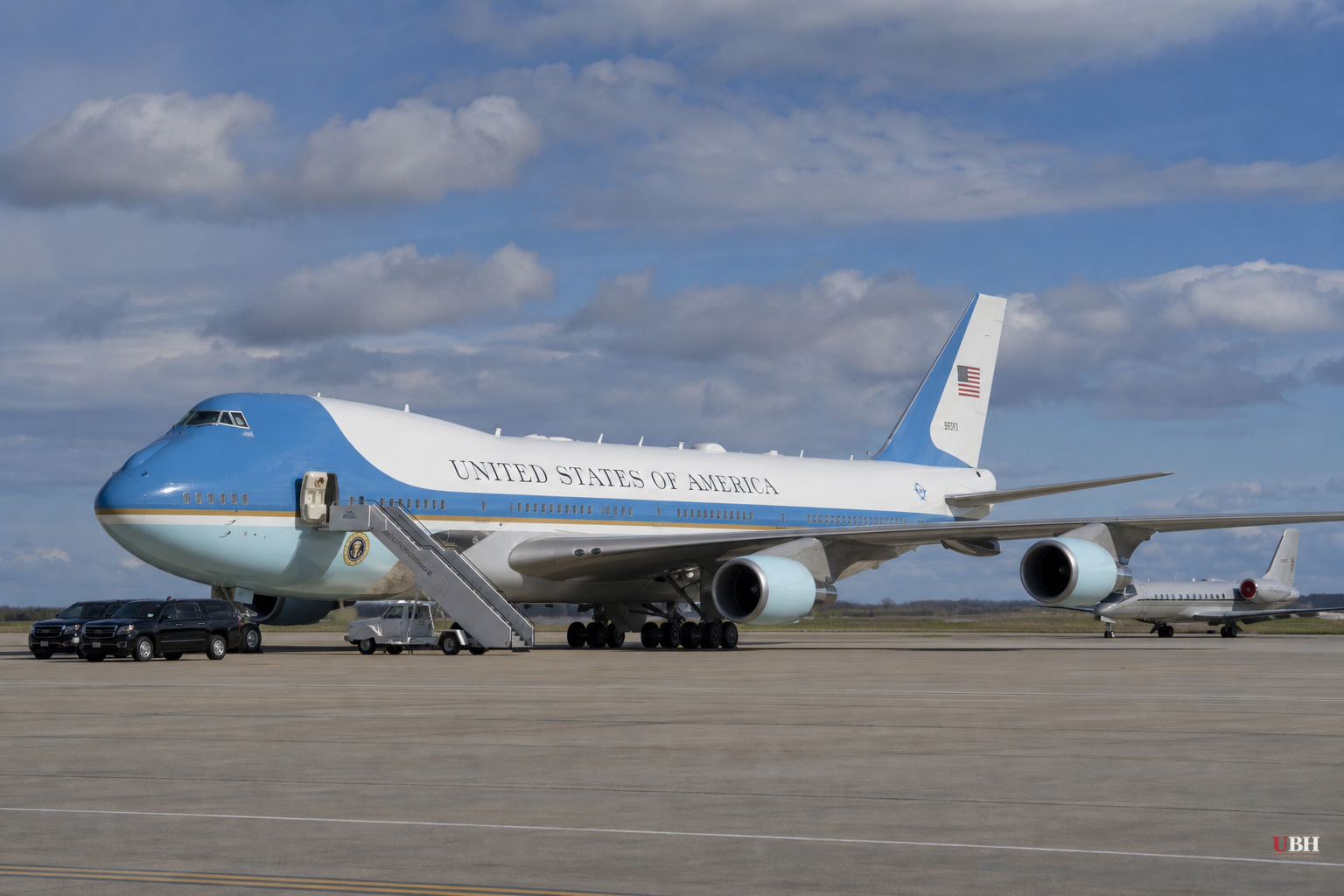
The Secret Service quietly pulled President Trump off Air Force One in Ankara on July 8 and flew him out of Turkey on a different military aircraft. Subsequent reporting has clarified how uncertain the intelligence behind that move actually was.
Reuters reported, citing a current U.S. official and two former officials, that Israel passed several warnings to U.S. intelligence over the past year claiming Iran wanted to assassinate Trump. The alleged methods ranged from a sniper, to a recruited knife attacker at a public event, to a shoulder-launched missile aimed at Air Force One during the NATO summit in Ankara in July.
The Washington Post, in reporting from Warren P. Strobel, John Hudson and Dan Lamothe, said CIA analysts had "low confidence" in the Iranian threat and had told senior Trump administration officials so. Ynetnews, citing the Post, quoted one official describing the intelligence as "Israeli-derived, not U.S.-generated, and viewed as low confidence."
According to Reuters, a Turkish official said Ankara's own intelligence services also found no evidence to corroborate the Israeli claim, and shared that assessment with the Americans. Middle East Eye reported that Turkish officials went further, viewing the warning as a ruse designed to undermine ongoing negotiations with Tehran.
Despite that skepticism, the White House and Secret Service moved forward anyway. Reuters and the Washington Post both confirm the operation: Trump was switched from Air Force One to another aircraft on the tarmac in Ankara, while the original plane took off and effectively served as a decoy. Trump's actual location was kept secret for hours, hidden not just from the public but from many senior administration officials and White House staff, according to Ynetnews' reporting on the Post's account.
Trump confirmed the operation had happened, per Middle East Eye, saying he followed his security team's instructions.
When the Secret Service says move, presidents move, verified or not. Precaution isn't proof of anything except that the people protecting him didn't want to bet his life on a CIA confidence rating.
The disparity between what Israel alleged and what the CIA could confirm raises a real question about how much Israeli intelligence is steering Trump administration decisions on Iran. Reuters noted this is happening amid broader disagreement between U.S. and Israeli assessments. Earlier this year, American intelligence agencies concluded Iran was not actively building a nuclear weapon, even as Israel argued the threat was urgent. Trump struck Iran anyway in February, and Reuters previously reported he factored in Israeli intelligence about an earlier assassination attempt when making that call.
An Israeli embassy spokesperson pushed back on the idea that Israel manipulates U.S. policy through intelligence sharing, telling Reuters: "The same people who claim that Israel is trying to influence U.S. policy through alleged intelligence sharing would just as soon accuse Israel of concealing critical information if it benefited their own agenda."
Iran is not accepting any of this quietly. Foreign Minister Abbas Araghchi said Washington "has long miscalculated due to intelligence failures," according to Middle East Eye, and separately posted on X that "worse than fake news is fake intelligence." He also called U.S. actions in the Strait of Hormuz "an even bigger miscalculation."
Colin P. Clarke, executive director of The Soufan Center, said Iran has wanted revenge against Trump since he approved the 2020 strike that killed IRGC commander Qassem Soleimani, and that even a ceasefire wouldn't change that calculus. Bruce Hoffman, a senior fellow at the Council on Foreign Relations, added that for Iran, "humiliation is also a form of revenge" — meaning even a botched or unconfirmed plot serves Tehran's purposes if it makes Trump look rattled enough to sneak off a plane in a decoy operation.
None of this proves Iran didn't plan something. The CIA's low-confidence rating means the agency couldn't corroborate the specifics, not that no threat exists. Manhattan federal prosecutors said in 2024 that Iran had already ordered an operative to kill Trump over Soleimani, an allegation that resulted in actual charges, not just chatter.
That history is exactly why the Secret Service erred on the side of moving him, verified or not. What remains unresolved is whether Israel's intelligence sharing on Iran threats is influencing U.S. war decisions beyond what the facts support, or whether U.S. agencies are simply more conservative about what counts as "verified." Reuters says the CIA's skepticism was communicated to senior administration officials, though it remains unclear how widely those assessments circulated. Whether that skepticism reaches Trump himself with the same weight Israeli warnings do remains an open question nobody in these reports has answered on the record.
Sources used for this briefing
6 links from 6 independent newsrooms (syndicated copies of the same report count once)
These are the sources it draws on, linked so you can verify.


