
Original briefings. Zero spin.
Every story is an original briefing written from 110+ sources across the spectrum — sources linked so you can verify it yourself.
 defense
Major Story (8/10)
August 27, 2026 at 12:23 PM
defense
Major Story (8/10)
August 27, 2026 at 12:23 PM
CIA Director John Ratcliffe Made Unannounced Moscow Trip to Warn Russia Off NATO, Officials Say
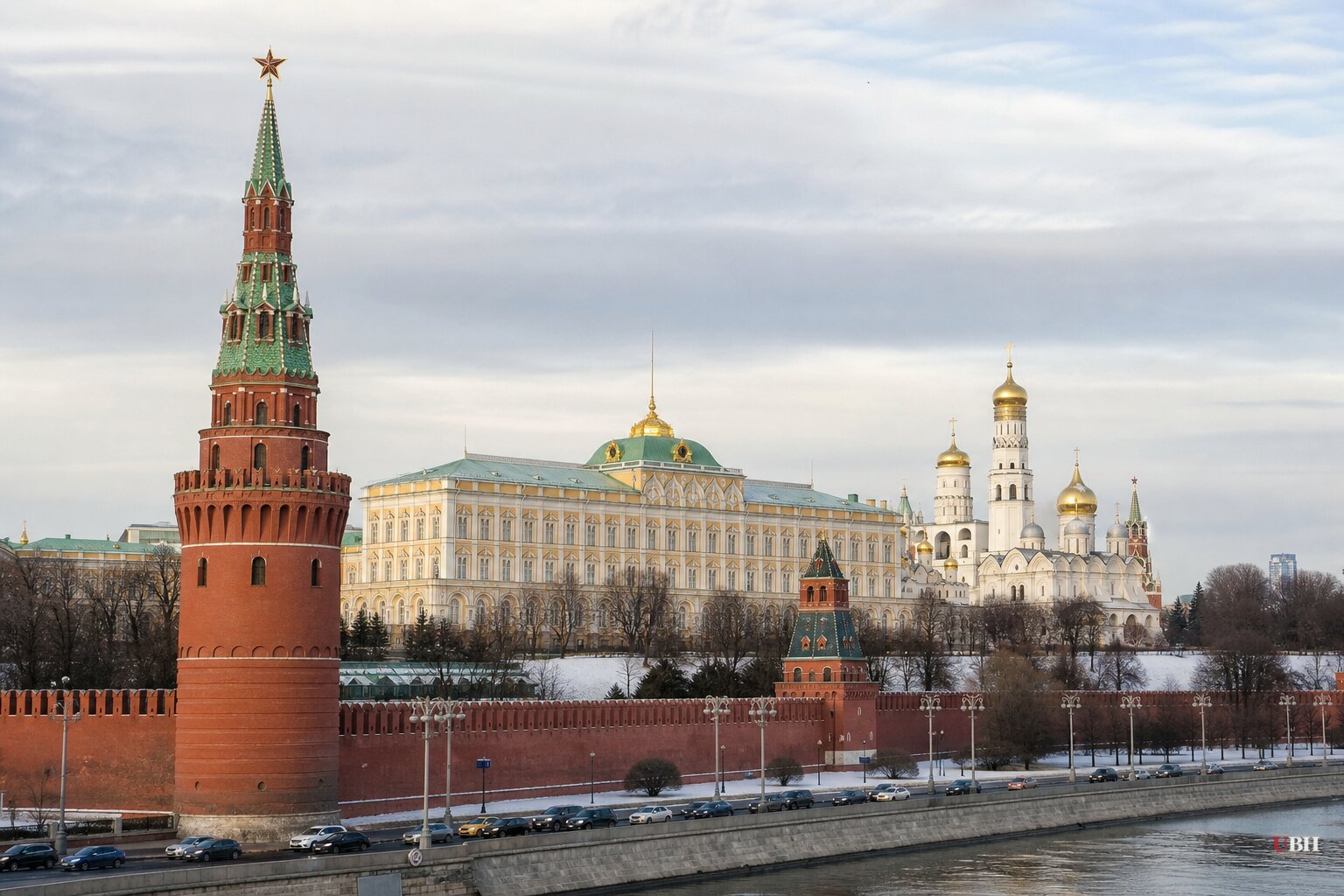
A U.S. government plane left Joint Base Andrews on Tuesday and landed in Moscow roughly eight and a half hours later, according to flight-tracking data cited by the Washington Post. On board: CIA Director John Ratcliffe, making the first known visit by a sitting CIA chief to the Russian capital since William Burns went in November 2021 to warn the Kremlin against invading Ukraine. Three months after that trip, Russia invaded.
The Wall Street Journal and CBS News reported that Ratcliffe's goal this time was to dissuade Russia from testing NATO's resolve, citing people familiar with the visit. CBS added that Ratcliffe also raised Iran, warning of additional sanctions if the Strait of Hormuz remained closed to shipping. None of this was announced in advance by U.S. officials.
Trump gave a different account. Asked about the trip by conservative radio host Glenn Beck, who called the speculation "crazy," Trump said the visit dealt with "none of the above" — not NATO, not Iran sanctions pressure. "He's there, very sort of semi-routine," Trump said. "We would like to see the war with Ukraine end." The White House did not respond to multiple requests for comment, according to Agence France-Presse reporting carried by the Manila Times.
The Kremlin's version splits the difference between mysterious and dismissive. Spokesman Dmitry Peskov confirmed Ratcliffe met with Russian intelligence officials, not with Putin, and called U.S. media reports about a possible Russian attack on NATO "scare stories" that have "nothing to do with reality." Sergei Naryshkin, head of Russia's SVR foreign intelligence service, confirmed he held what he called a "working-level meeting" with Ratcliffe, describing it as "quite a delicate and special matter" but insisting there was "nothing unusual about it."
What's driving the speculation
This didn't happen in a vacuum. CNN reported that recent U.S. intelligence assessments, based on three sources familiar with the reports, indicate Putin could attempt a limited attack on a NATO member within the next few years, potentially targeting the Baltic states or Poland, in an effort to test the alliance's Article 5 commitment without triggering a full response. The Journal, which first reported the assessments, put the window for that decision at "as soon as this fall" through the next few years.
Martin O'Donnell, a senior NATO military spokesperson, declined to comment on classified assessments but said NATO is "always thinking through and preparing for any number of scenarios" and is "ready to deter and defend as necessary."
There's recent precedent fueling the concern. A drone carrying explosives hit an apartment building in Romania in May, injuring two people, while Russian forces were attacking a nearby Ukrainian port, according to CNN. NATO fighter jets shot down Russian drones that violated Polish airspace last September. And on August 5, an explosive-laden drone was found at Leipzig/Halle Airport in Germany; a U.S. defense official told CNN this week that the device belonged to a Russian intelligence service and was carrying military-grade explosives.
Separately, Russian Foreign Ministry spokeswoman Maria Zakharova said Thursday that Russia could strike British military targets, inside or outside Ukraine, in response to Ukrainian strikes using British-supplied missiles, according to the Jerusalem Post. She accused Britain and France of "playing with fire" after the UK said Monday it would let Ukraine access classified technology to build its own Storm Shadow cruise missiles.
What's actually verified: Ratcliffe flew to Moscow, met with Russian intelligence officials including Naryshkin, and flew home the same day. That's confirmed by flight data and acknowledged by both governments. Everything about why he went is attributed reporting, not confirmed fact. The Journal and CBS cite unnamed people familiar with the matter, and Trump has publicly disputed their characterization of the trip.
Russia has denied planning any NATO attack and has denied it consistently and specifically, just as it denied planning to invade Ukraine in the months before it did exactly that in February 2022. That history is why Ratcliffe's trip is being compared to Burns' 2021 visit. Not because anyone has proof Putin plans to strike NATO territory, but because the last time a CIA director made an unannounced solo trip to Moscow, the warning turned out to be right.
At the same time, no source in this reporting shows Russia has taken any concrete military action against NATO territory beyond drone incidents Moscow has not claimed and could plausibly deny involvement in. The intelligence assessments described by CNN and the Journal are assessments of possibility, spanning a window of "the next few years," not evidence of an imminent, planned attack. Treating a hedged intelligence estimate as a certainty would be its own kind of spin.
What happens next is genuinely unresolved. Ratcliffe met with Trump, Defense Secretary Pete Hegseth, and Joint Chiefs Chairman Gen. Dan Caine at the White House after returning from Moscow, according to the New Voice of Ukraine. No one involved has said publicly what was decided in that meeting, or whether the U.S. request that Ukraine avoid striking Moscow and St. Petersburg during Ratcliffe's visit, reported by multiple outlets on August 25, reflects a broader shift in U.S. strategy toward Russia.
Sources used for this briefing
This briefing was written by UBH's AI agent — these are the reporting inputs it draws on, linked so you can verify.


