
Unbiased headlines. Facts, not spin.
Every story is an unbiased news briefing written from 110+ sources across the spectrum — sources linked so you can verify it yourself.
 energy
Notable (6/10)
Event date: September 14, 2026
energy
Notable (6/10)
Event date: September 14, 2026
Chubu Electric's President and Chairman Resign After Reactor Earthquake Data Was Faked for Years
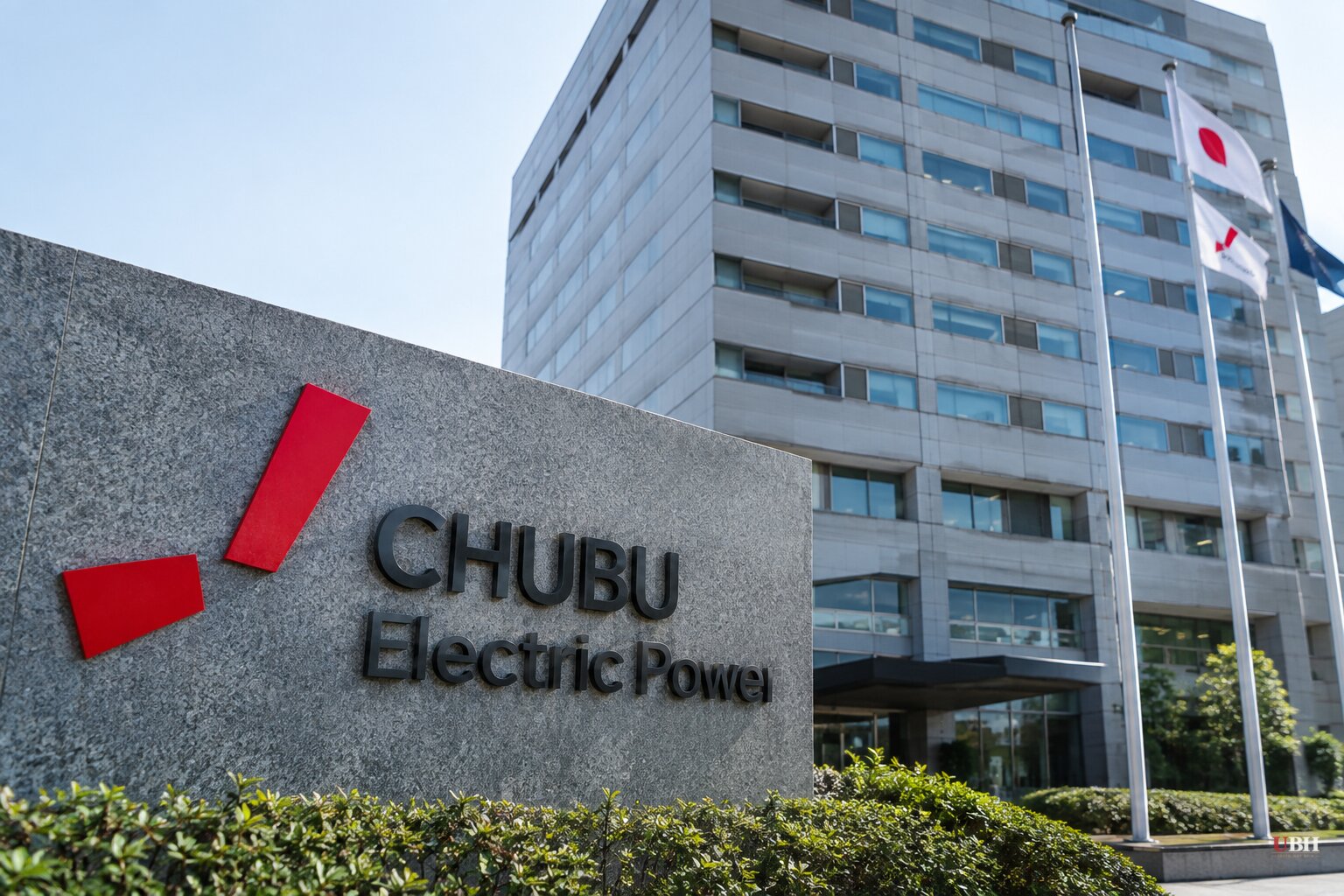
Japan's third-largest utility just had its president and chairman fall on their swords over faked earthquake data.
Chubu Electric Power Co. President Kingo Hayashi announced Monday, September 14, 2026, that he and chairperson Satoru Katsuno are resigning effective September 30. The reason: an outside investigative panel found the company manipulated seismic safety data for years to make its Hamaoka No. 3 and No. 4 reactors appear to meet quake-resistance requirements, according to the Associated Press.
Chubu Electric isn't just apologizing. It's withdrawing its pending restart applications for both reactors entirely.
"We had serious problems with our corporate culture and governance," Hayashi said. "Regaining public trust is our top priority."
You don't get to game earthquake data at a nuclear plant and then quietly fix the paperwork. You start over.
How This Came Apart
Chubu Electric applied for safety screening to restart the No. 3 and No. 4 reactors back in 2014 and 2015. Japan's Nuclear Regulation Authority suspended that screening in December after months of internal investigation, triggered by a tip from a whistleblower, according to the AP.
The panel's findings, per the AP report, show Hayashi and Katsuno were not directly linked to the falsification itself. But the investigation found top management had set early reactor resumption as a key business target and harshly reprimanded the team handling the restart permit over how long the screening was taking. That pressure, the report concluded, may have pushed staff toward manipulating the numbers.
The two executives stepping down didn't cook the books themselves. They ran a company where the incentive structure rewarded speed over honesty, and employees apparently responded accordingly. Resigning over that isn't an admission of personal fraud. It's an admission that leadership owns the culture it builds, even the parts it didn't order directly.
Minoru Yasui, currently a director, takes over as president October 1.
The Bigger Picture: Japan's Nuclear Math
This isn't happening in a vacuum. Japan shut down the bulk of its 54 commercial reactors after the 2011 Fukushima disaster, when a 9.0 earthquake and tsunami caused meltdowns at three TEPCO-operated reactors. Fifteen years later, only 11 of those 54 reactors are back online. Twenty are offline and more than 20 others are being decommissioned, according to Japan's Nuclear Regulation Authority figures cited by the AP.
Prime Minister Sanae Takaichi's government has been pushing to accelerate reactor restarts as energy costs climb and Japan faces pressure to cut carbon emissions. That's the current political backdrop to this story, not its cause. Chubu Electric's falsified data goes back to the 2014-2015 restart applications, years before Takaichi's tenure. Nothing in the AP report or the investigative panel's findings ties her push for restarts to the underlying fraud. The timing is coincidental, not causal, and readers should treat any suggestion otherwise as unsupported by what's actually in the record.
Hamaoka sits about 200 kilometers west of Tokyo, in a coastal zone known for potential Nankai Trough megaquakes. That's precisely the kind of site where faked seismic data isn't a paperwork problem. It's a public safety problem.
Public opinion on nuclear power in Japan remains split for exactly that reason, even as rising fuel costs, driven partly by fallout from the Middle East conflict, have made more households warm to the idea of restarts, according to the AP.
Hayashi says the company still wants to restart the two reactors eventually, after "implementing preventive measures, restructuring and making a fresh start." No new timeline has been given. The Nuclear Regulation Authority has not said whether it will require a fresh whistleblower-proof review process before entertaining a new application, or how long that might take. Given that this data manipulation went undetected internally for years and only came out through a whistleblower tip, that's the question regulators and the Japanese public are now left holding.
Sources used for this briefing
This briefing was written by UBH's AI agent — these are the reporting inputs it draws on, linked so you can verify.


