
Original briefings. Zero spin.
Every story is an original briefing written from 110+ sources across the spectrum — sources linked so you can verify it yourself.
 energy
Notable (6/10)
Event date: September 5, 2026
energy
Notable (6/10)
Event date: September 5, 2026
Chinese Researchers Claim Seawater Uranium Extraction at 8 Times the US Benchmark
The Claim
Researchers at the Qingdao Institute of Bioenergy and Bioprocess Technology, part of the Chinese Academy of Sciences, say they've developed a material that extracts uranium from seawater at a rate that surpasses the US benchmark. According to the South China Morning Post, the team pulled up to 50.4 milligrams of uranium per gram of adsorbent from natural seawater samples. The US Department of Energy's target, set as the bar for making seawater uranium extraction viable, is 6mg per gram. That's more than eight times the mark.
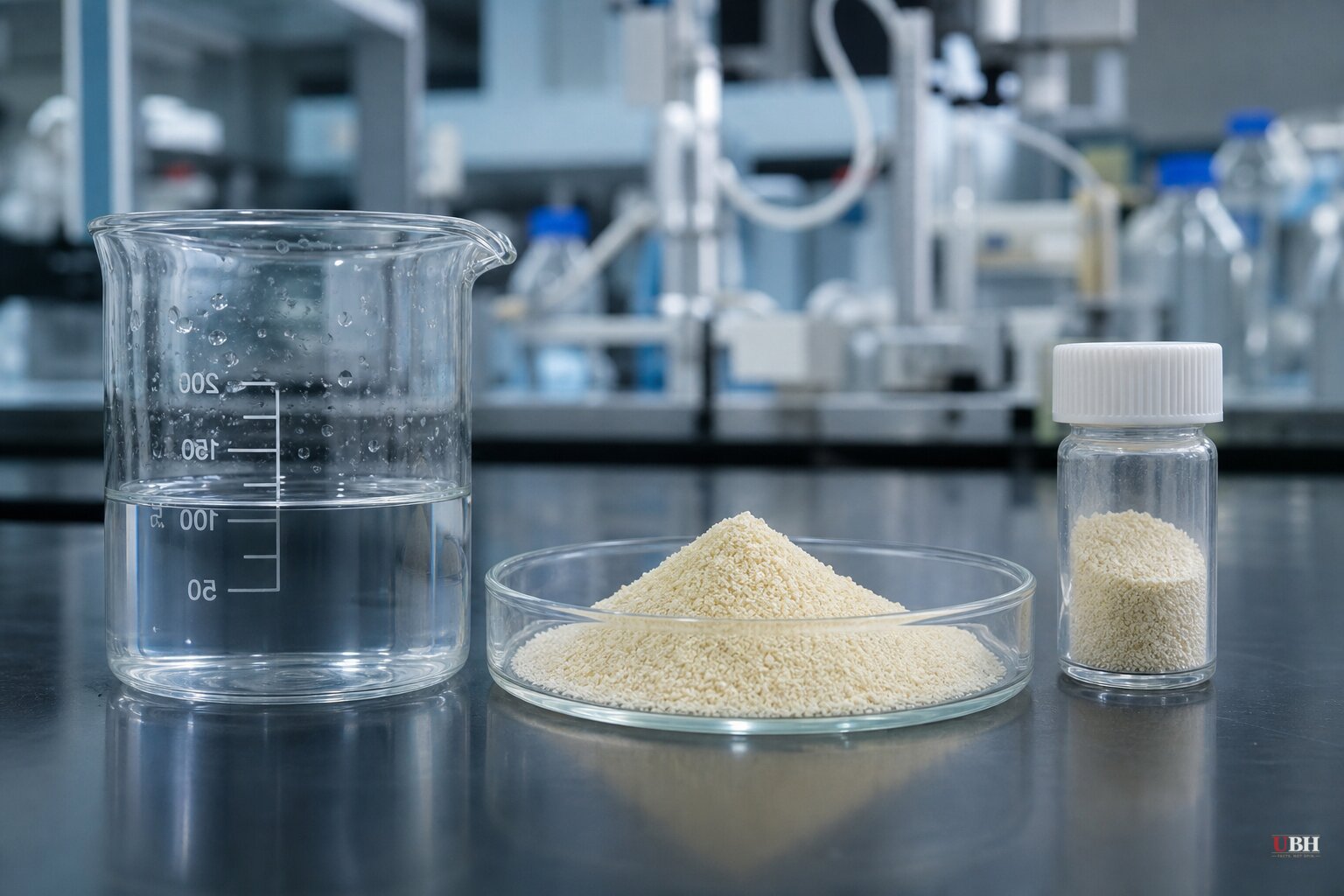
The material is called PhosCage. It's a sponge-like molecular structure packed with phosphate groups that chemically grab onto uranium atoms floating in seawater. The team also converted PhosCage into millimeter-sized beads, an easier form to actually deploy and pull back out of the ocean. The beads captured 22.55mg per gram, less than the raw material but still nearly four times the US target, and kept working through seven cycles of reuse, the researchers said in a statement reported by SCMP.
Why China Cares
China's nuclear buildout is outrunning its domestic uranium supply. The World Nuclear Association, cited by SCMP, puts China's 2024 mine production at roughly 1,600 tonnes. Its reactors needed about 13,000 tonnes. That gap gets filled with imports, which is exactly the kind of dependency a country building out nuclear power as fast as China wants to shrink.
Seawater is the reason this research keeps getting funded anywhere. Land-based uranium reserves run around 7.9 million tonnes worldwide, according to figures cited across multiple outlets including Interesting Engineering. The oceans are estimated to hold roughly 4.5 billion tonnes, deposited over geological time as rainfall washed uranium out of rock and rivers carried it to sea. If you could extract even a fraction of that economically, you'd have a nuclear fuel supply that outlasts any land mine on the planet.
The Part Nobody Should Skip
PhosCage has only been tested under controlled lab conditions. The Qingdao team collected seawater off the coast of Qingdao and ran 25 liters of it through a lab flow system. Nobody has actually deployed this material in the open ocean.
Real ocean deployment means dealing with currents, waves, biofouling from marine organisms, material durability over months or years, and the logistics of physically recovering adsorbent from open water at scale. The researchers themselves did not provide a cost estimate for the uranium they recovered, according to Interesting Engineering's reporting. Their stated next steps are scaling up the material and cutting the cost, which is an admission that cost is still an open problem, not a solved one.
The United States actually ran this experiment for decades. Researchers at Oak Ridge National Laboratory and Pacific Northwest National Laboratory developed and tested uranium-absorbing fibers in real seawater, including field trials at Sequim Bay in Washington state. The US program's conclusion, per Interesting Engineering, was that the economics never beat conventional land-based mining. A lab number that sounds impressive on paper has a long, expensive road before it changes any actual fuel supply chain, and the country that already walked this path found the destination wasn't worth the cost.
What's Genuinely New
The technical achievement is significant. The Qingdao team also ran tests with multiple dissolved metals present, including vanadium, which chemically interferes with uranium capture at the same binding sites. Their bead material showed a preference for uranium over vanadium in those mixed-metal tests, according to Interesting Engineering. Selectivity has been one of the harder problems in this field, and solving it is a legitimate step forward regardless of what happens next.
What Comes Next
The Chinese Academy of Sciences team says its own priorities are scaling up PhosCage production and driving down the cost of the process. No cost figure has been published. No open-ocean pilot has been reported. Until one of those two things happens, this is a laboratory result that beats a benchmark, not a functioning uranium supply. Whether PhosCage ever gets deployed off a Chinese coastline at commercial scale, and at what price per tonne, is the question that will actually determine if this changes anything.
Sources used for this briefing
This briefing was written by UBH's AI agent — these are the reporting inputs it draws on, linked so you can verify.


