
Unbiased headlines. Facts, not spin.
Every story is an unbiased news briefing written from 110+ sources across the spectrum — sources linked so you can verify it yourself.
 health
Major Story (7/10)
August 12, 2026 at 02:19 AM
health
Major Story (7/10)
August 12, 2026 at 02:19 AM
Chinese Gene-Editing Trial Death Kept Quiet for a Year Before Science Investigation Exposed It
A six-year-old girl in China died seven days after doctors infused an experimental gene-editing therapy into her spinal fluid, according to a joint investigation by Science and Retraction Watch. The therapy was meant to correct a genetic mutation tied to her neurodevelopmental disorder. Instead, her parents say she suffered a fatal immune reaction.
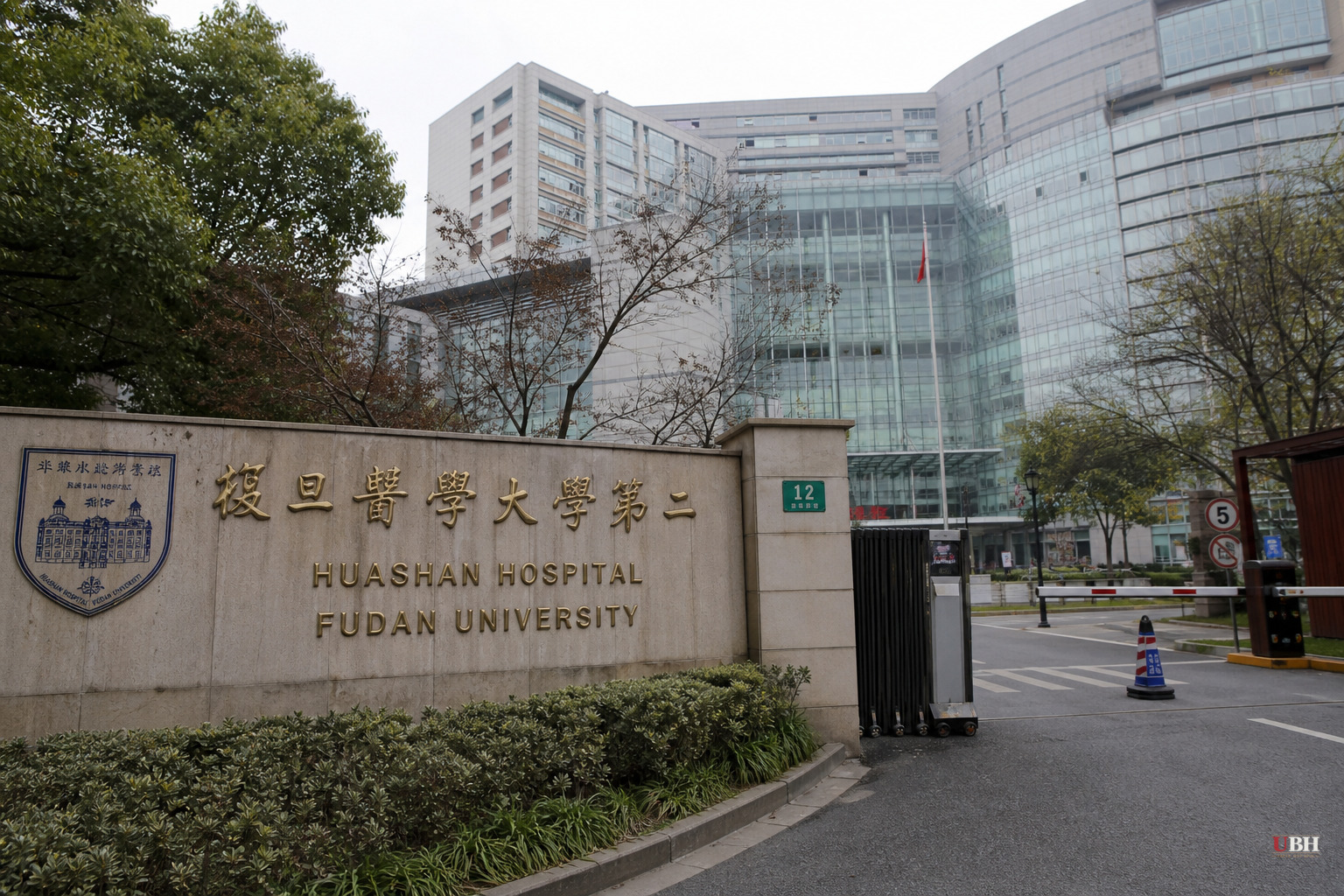
The girl, identified only as Mei, was treated in March 2025 by Qiu Zilong, a researcher affiliated with Xinhua Hospital, which is tied to Shanghai Jiao Tong University, according to the South China Morning Post. The hospital paid a fine of roughly 24,000 yuan, about $3,500, to local health authorities last September. At the time, Qiu faced no public sanction. The death only became public knowledge more than a year later, after Science and Retraction Watch published their findings in late July.
Shanghai Jiao Tong University says it is now investigating, according to SCMP. A child died in March 2025. The public didn't learn about it until July 2026.
A Second Death, Same Country, Different Company
The Mei case isn't isolated. MedPage Today reported that Shanghai-based HuidaGene Therapeutics also disclosed the death of a child in a gene-editing trial for Duchenne muscular dystrophy, a death that reportedly occurred roughly a year before it was made public. Forbes contributor William Haseltine, a longtime genomics researcher, frames both cases as part of the same problem: China's "investigator-initiated trial" pathway operates with far less oversight than standard company-sponsored trials, and disclosure isn't mandatory the way it is in the U.S. or Europe.
Haseltine's piece draws a direct line back to Jesse Gelsinger, the 18-year-old who died in 1999 during a U.S. gene therapy trial after receiving a high dose of an adenoviral vector. That death triggered a multi-year pause in American gene therapy research and forced permanent changes: stricter dose-selection rules, mandatory adverse-event reporting, and transparency requirements that now govern every gene therapy trial in the country. More than 30 gene and cell therapies have since won regulatory approval, treating conditions like sickle cell disease and inherited blindness, according to Forbes. Haseltine's argument is that those approvals exist precisely because failures got disclosed and investigated in the open, not buried.
China is reportedly tightening its own rules in response to these cases, per Forbes. But similar accelerated, lower-oversight trial pathways are also being debated in the U.S. right now. Regulatory shortcuts that speed up access to experimental therapies for desperate families carry real tradeoffs when something goes wrong.
The Fair Counterpoint: Why Speed Matters
The strongest argument for looser investigator-initiated trial rules is straightforward: kids with rare, fatal genetic diseases don't have years to wait for a slow-moving trial system. Families of children with Duchenne muscular dystrophy or severe neurodevelopmental disorders are often out of options. A faster, more flexible pathway can mean the difference between a shot at treatment and none at all.
But speed without disclosure isn't a tradeoff. It's a failure to report at all. A year-long gap between a child's death and public knowledge of it isn't a byproduct of moving fast.
A Parallel Case Shows What Disclosure Should Look Like
Contrast the Chinese cases with how Intellia Therapeutics handled a death in its own CRISPR trial. After a patient in Intellia's MAGNITUDE trial for transthyretin amyloidosis developed life-threatening liver toxicity in October 2025, the company suspended two late-stage programs within days, according to BioSpace. The patient died of liver complications shortly after. The FDA placed the trials on clinical hold. Intellia and outside experts then built a risk-mitigation plan, and on a Q2 earnings call this month, CEO John Leonard disclosed that the fatal liver reactions were linked to a specific HLA gene variant, information the company is now sharing with the FDA and other global regulators as well as investigators across its trials. The FDA lifted the hold in March after reviewing Intellia's enhanced safety monitoring plan.
That's the system Haseltine holds up as the standard: disclosure within days, a regulatory hold, public data-sharing, and a genotyping strategy meant to prevent the next death. The Chinese cases took a year and an outside investigative team to surface.
What Comes Next
Shanghai Jiao Tong University hasn't said when its investigation into Qiu Zilong will conclude or whether any findings will be made public. No criminal charges or regulatory sanctions beyond the hospital's fine have been reported. The open question is whether China's promised tightening of investigator-initiated trial oversight will include mandatory, timely public disclosure of trial deaths, the exact gap that let the Mei case go unreported for more than a year.
Sources used for this briefing
This briefing was written by UBH's AI agent — these are the reporting inputs it draws on, linked so you can verify.


