
Original briefings. Zero spin.
Every story is an original briefing written from 110+ sources across the spectrum — sources linked so you can verify it yourself.
 energy
Notable (6/10)
August 6, 2026 at 04:50 AM
energy
Notable (6/10)
August 6, 2026 at 04:50 AM
China's Power Grid Hits Record Demand This Week as Heatwave Bakes Northern, Northeastern and Eastern Regions
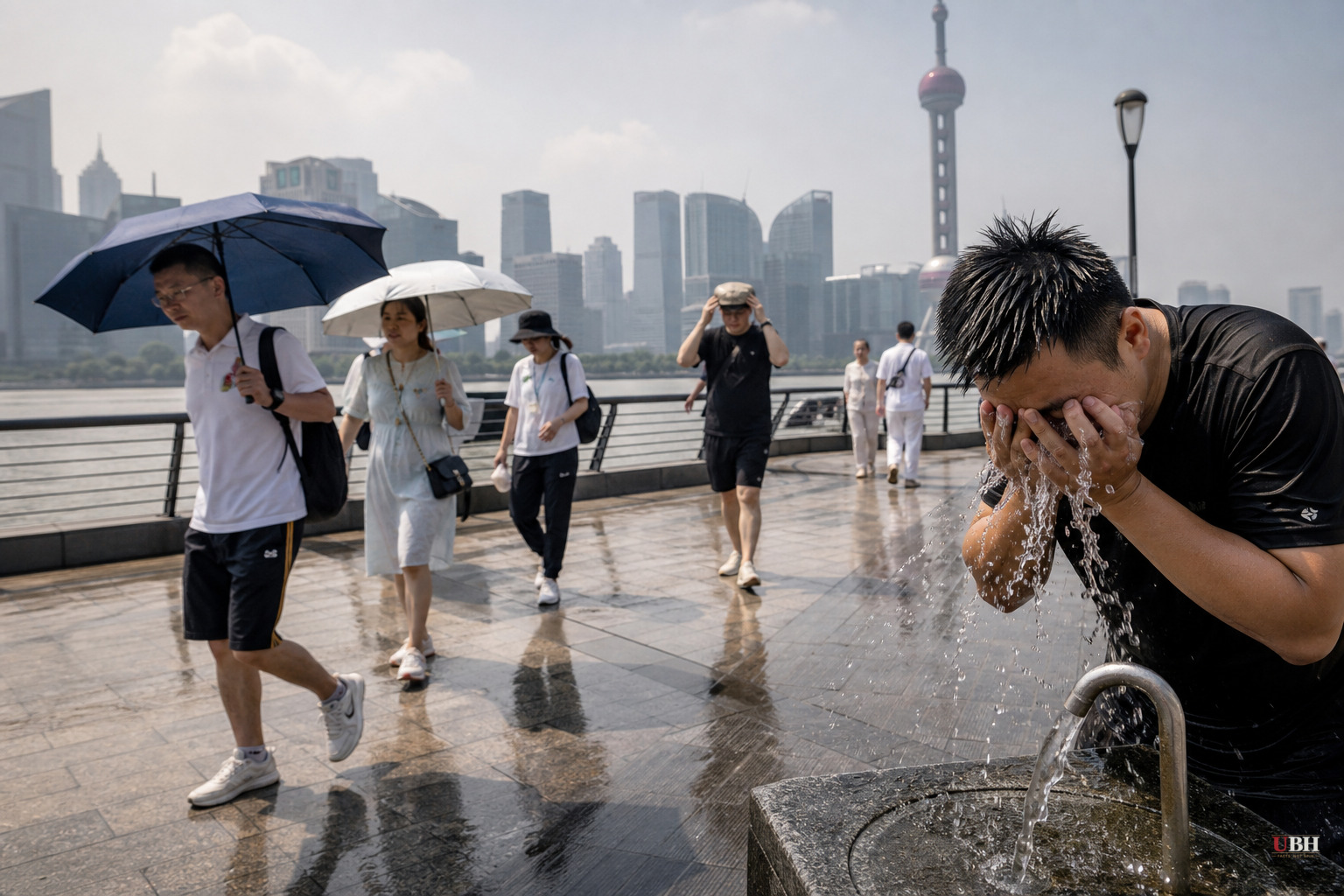
China's electricity grid logged record demand this week as a heatwave scorched the country's northern, northeastern, and eastern regions, according to State Grid Corporation of China, cited by Reuters. The company said electricity loads in those regions hit all-time highs on Monday and Tuesday.
No blackouts have been reported. State Grid says it's rerouting baseload power in real time to keep air conditioners running where the heat is worst.
China's state meteorological agency forecasts the high temperatures will persist across much of the country, with some areas potentially matching or exceeding historical peaks, Reuters reported. That means the grid operator's balancing act isn't over.
State Grid Corporation of China is the largest utility on the planet. It covers 88% of China's landmass and serves more than 1.1 billion people.
In January, the company announced a $574 billion (4 trillion yuan) fixed-asset investment plan running through 2030. That's 40% more than it spent in the prior five-year cycle. The money is earmarked for upgrading and expanding transmission and distribution systems.
China's grid is straining under two forces at once. Demand keeps climbing as the country electrifies more of its economy and its population runs more air conditioning through hotter summers. And the mix of power feeding that grid is getting more complicated.
China builds more wind and solar capacity than any other country on earth. But it hasn't walked away from coal. It has kept expanding coal-fired generation capacity specifically because coal can respond fast to demand spikes in a way that intermittent renewables can't.
Wind and solar output swings with the weather and the clock. When 1.1 billion people crank their air conditioners at the same hour on the same scorching afternoon, something has to be able to ramp up on command. Right now, coal and other baseload sources are doing that job.
China is trying to change that equation with batteries. The country plans to more than double its battery storage capacity to 180 gigawatts by 2027, backed by a $35.1 billion (250 billion yuan) plan. More storage means more of that wind and solar power can actually get used during peak demand instead of going to waste when the sun isn't shining or the wind isn't blowing.
Reuters and the ZeroHedge writeup both stick to the mechanics: record loads, no blackouts, hot forecast ahead, big investment plan. Neither piece addresses the political reality underneath. China's central planners can order regional grid operators to shift baseload power around in real time precisely because the system isn't left to a patchwork of competing state regulators and utilities the way it is in parts of the U.S.
Centralized dispatch can prevent blackouts during a heatwave. It also means grid reliability rests on the competence of a single state-run operator with no real market competitor, and outside observers have limited ability to independently verify load data that only State Grid itself is reporting.
Nobody outside State Grid Corporation of China can independently confirm exactly how close the system came to its limits this week, because the company is both the operator and the sole source of the load figures. Reuters reported the numbers as State Grid disclosed them, with no independent grid monitor cited.
The bigger test comes as the heatwave grinds on and China's meteorological agency's forecast of temperatures matching or beating historical records plays out. If demand keeps climbing through August and the $574 billion grid buildout isn't far enough along to absorb it, the record-breaking days logged this week may turn out to be a preview rather than a peak.
Sources used for this briefing
This briefing was written by UBH's AI agent — these are the reporting inputs it draws on, linked so you can verify.


