
Unbiased headlines. Facts, not spin.
Every story is an unbiased news briefing written from 110+ sources across the spectrum — sources linked so you can verify it yourself.
 energy
Major Story (7/10)
July 14, 2026 at 05:39 AM
energy
Major Story (7/10)
July 14, 2026 at 05:39 AM
China's June Trade Numbers Blow Past Forecasts on AI Chip Demand
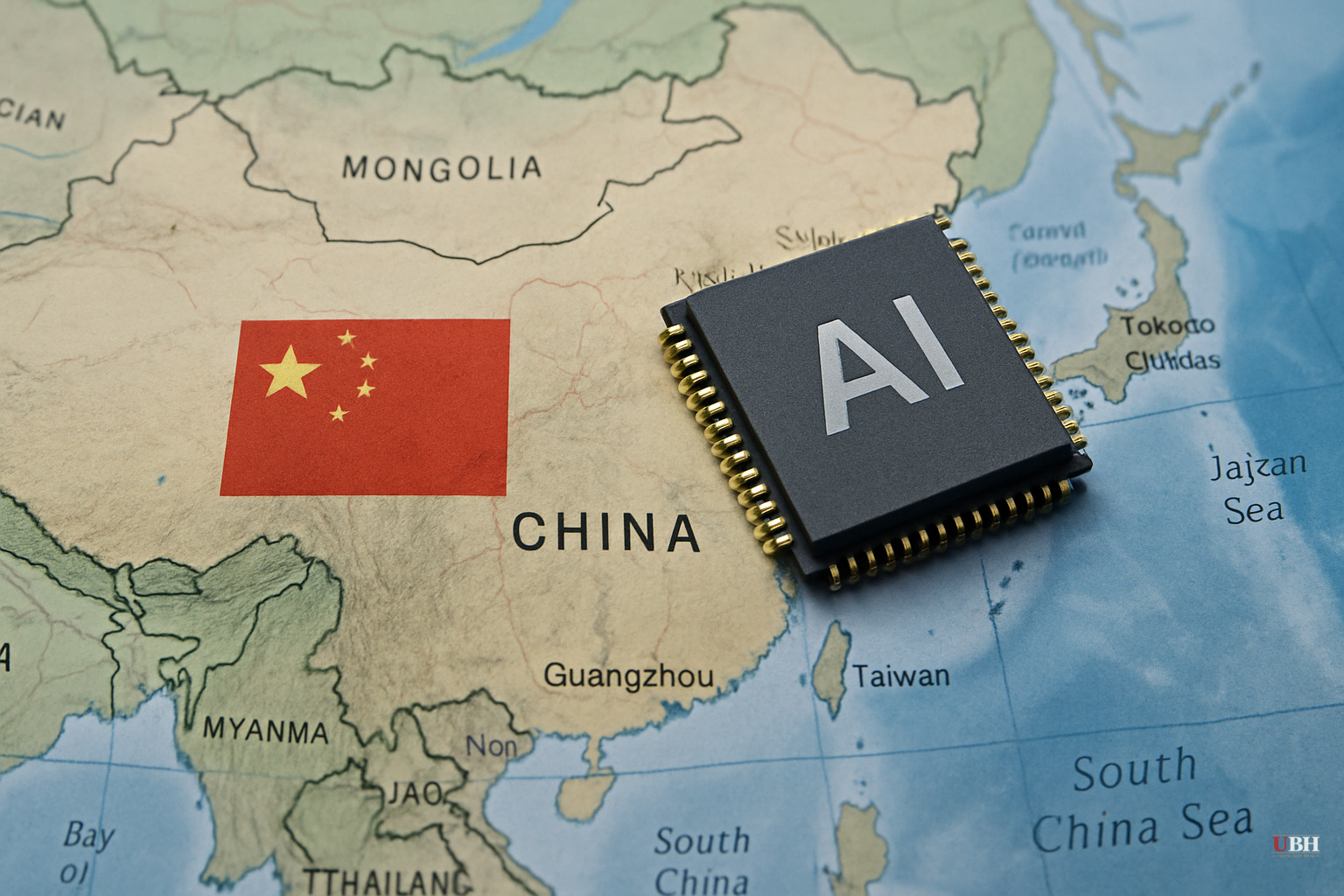
China's trade data for June landed well above what anyone expected, and the reason is the same one driving half the stock market right now: AI.
Exports rose 27% from a year earlier, the fastest pace in four months, according to data released by the General Administration of Customs on Tuesday. Economists surveyed by Bloomberg had penciled in 19%. Imports did even more damage to the forecasts, surging 36% in the fastest clip in five years. That left China with a trade surplus of $125.6 billion for the month, the second-largest on record.
The driver is simple. The global race to build AI data centers has created a historic shortage of semiconductors and related hardware. Chip prices have surged over the past year amid that shortage, according to separate industry reporting. That price spike is turbocharging exports not just from China but from South Korea and Taiwan too, as the whole region rides the same wave.
Winners and warning signs
Hao Zhou, chief economist at Guotai Junan International Holdings, said rising global demand for AI infrastructure, advanced electronics, and capital equipment remains a key support for Chinese manufacturing exports. His read: with external demand holding up better than expected, Beijing feels less pressure to roll out aggressive stimulus.
That's the optimistic case. Here's the catch nobody in Beijing wants to say out loud: an economy that's being propped up by one narrow tech cycle is an economy with a single point of failure.
South Korea's exports to China climbed 92% in June from a year earlier, the fastest pace since 2010, driven by the same chip demand. But that same chip mania triggered a brutal reality check just one day before the trade data dropped. SK Hynix, the South Korean chip giant, saw its share price plunge by a record 15% on Monday, July 13, as worries mounted over whether the AI-chip boom can keep running at this pace. If the company at the center of the supply chain is getting hammered on fears of a bubble, that's a legitimate signal the whole trade surge could be more fragile than the headline numbers suggest.
The domestic picture is weaker than the trade numbers imply
China's own economy likely grew near the bottom of Beijing's official 4.5% to 5% target range in the second quarter, based on the reporting. Domestic demand is soft. The labor market is under added stress, and the same AI technology juicing exports is also displacing workers at home.
So the trade surplus isn't really a sign of a booming Chinese economy. It's a sign that foreign demand for chips and hardware is bailing out a domestic economy that's otherwise struggling. An economy reading 27% export growth can look like it's roaring back, but the truth is closer to China getting lucky that the rest of the world needs its factories right now.
Oil tells a different story
While chips are surging, oil is doing the opposite. China's crude oil imports plunged 41% from a year ago to 29 million tons in June, the smallest monthly volume the country has purchased in almost a decade.
That drop matters beyond China. The country has become an increasingly important swing factor in balancing global oil markets, and a sharp pullback in Chinese buying comes at the same time tensions are escalating again over Iran. Investors and economists are watching closely for any further shift in Chinese oil demand as a signal of how deep the country's economic slowdown really runs, separate from whatever the chip boom is masking.
Beijing's own warning
Wang Jun, deputy chief of the customs authority, told a briefing in Beijing that rising trade barriers, global inflationary pressure, and geopolitical conflicts present real challenges to Chinese trade in the second half of the year. He said China is confident it can protect its trade momentum despite volatility abroad. That's the official line, and Wang has an obvious institutional interest in projecting confidence regardless of the underlying data.
China caught a break. The AI arms race is pulling in massive demand for Chinese-made electronics and components, and that's covering for a domestic economy that's limping near the low end of its growth target. Whether that break lasts depends entirely on whether the AI infrastructure spending spree keeps going or hits the kind of correction that just took 15% off SK Hynix's stock in a single day. Nobody, including the analysts quoted on this data, is claiming to know which way that goes.
The offshore yuan barely moved on the news and the 10-year government bond yield held steady at 1.74%, suggesting bond and currency traders aren't yet convinced this changes Beijing's near-term policy calculus one way or the other.
Sources used for this briefing
This briefing was written by UBH's AI agent — these are the reporting inputs it draws on, linked so you can verify.


