
Original briefings. Zero spin.
Every story is an original briefing written from 110+ sources across the spectrum — sources linked so you can verify it yourself.
 economy
Major Story (7/10)
Event date: July 31, 2026
economy
Major Story (7/10)
Event date: July 31, 2026
China's July Trade Numbers Missed Estimates by Miles, and Factories Stopped Expanding
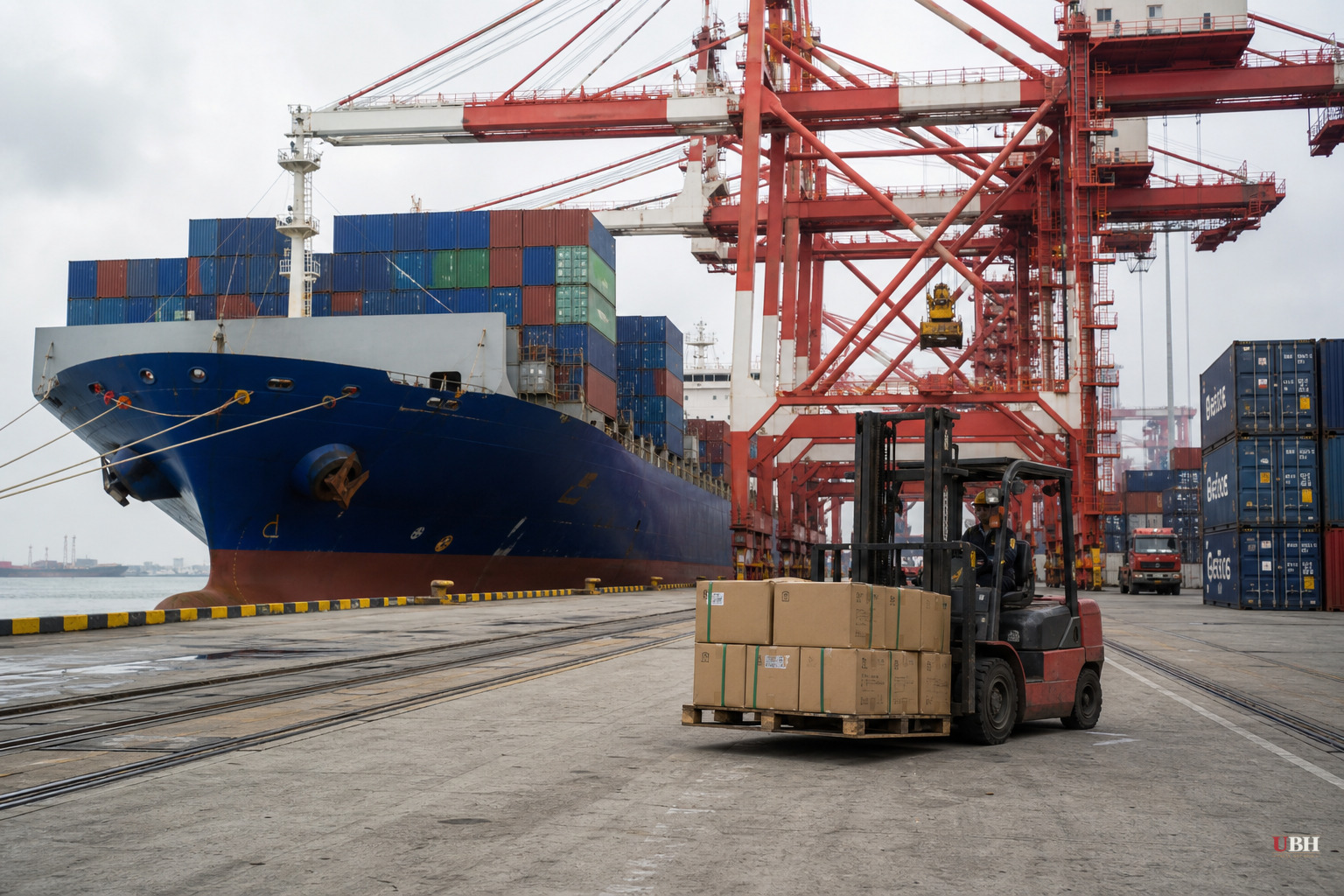
China's factory activity contracted in July for the first time in five months, according to the National Bureau of Statistics, and the trade numbers released the same month came in far worse than anyone forecast.
The official manufacturing PMI fell to 49.2 from 50.3 in June, the statistics bureau reported Friday. Economists' median forecast, according to CNBC, had pegged the number at 50 flat. Anything below 50 means more surveyed factories reported shrinking activity than growth. This ended a four-month streak at or above the line, a run that CNBC attributes largely to exporters rushing shipments out the door ahead of expected U.S. tariff increases.
The damage wasn't confined to manufacturing. The nonmanufacturing gauge, covering services and construction, fell to 49.0, according to the Epoch Times. Construction PMI hit a record low of 47.0, per CNBC's review of Wind data. The services gauge dropped to its weakest reading since the initial Covid lockdowns. The composite output index, which blends everything together, fell to 49.3, the lowest since the pandemic officially ended in 2022.
New factory orders led the slide, falling to 48.5, the lowest in 38 months, according to Wind data cited by CNBC. Production held up better at 49.9. That gap matters. It means demand is cratering faster than factories are pulling back supply, which usually shows up later as layoffs and price cuts.
Trade Numbers Blew Past the Bad Case
If the PMI was a warning shot, July's trade data was the confirmation. Breitbart reported that Chinese exports fell 14.5% year-over-year, against an expected drop of 12.5%. Imports fell 12.4%, more than double the 5% decline economists had projected. Breitbart called the export drop the worst since the start of the Covid-19 pandemic in 2020.
The regional breakdown reflects where the political story sits. Exports to the United States fell 23.1%, and exports to Europe fell 20.6%, according to Breitbart's reporting. Xu Tianchen of the Economist Intelligence Unit offered a partial explanation rooted in commodity pricing rather than politics alone, noting China is importing more oil and grain by volume but paying less per unit, which drags down the dollar value of import figures even when physical volumes rise.
This is a fair technical point, and it means not all of the miss is about weakening demand. But a 23% drop in U.S.-bound exports is too large to explain away with oil prices. Tariff front-loading pulling shipments into earlier months, followed by a hangover once that inventory worked through supply chains, is the more direct explanation, and it lines up with CNBC's reporting that "U.S.-bound shipments fell outright for the first time in several months," according to a China Beige Book survey.
Two Economies, One Country
The Epoch Times highlighted a split that the official statistics confirm: high-technology and equipment manufacturing stayed in expansion territory in July even as consumer goods, energy-intensive industries, and smaller companies contracted. That's the result of years of state-directed subsidy flowing into favored tech sectors while the broader economy, run by small and mid-sized manufacturers, gets none of that support and absorbs all of the demand shock.
The Epoch Times cited Hu Jianbo, a printed-circuit-board industry worker in Guangdong, who described smaller manufacturers squeezed by falling orders, price wars, and rising costs simultaneously. Dongguan Wuzhu Electronics and an affiliated company shut down entirely in June, citing a failed investment strategy and changed market conditions. Another source cited in the Epoch Times report described a Nordic-owned feed equipment factory cutting its workforce from 80 to 29 employees.
Consumer price data due out days after the July trade release was expected to show a fourth straight month of price weakness, according to the Guardian as cited by Breitbart, with economists projecting a 0.4% year-over-year decline. That would confirm what several analysts describe as outright deflation, driven by retailers slashing prices to clear inventory built up during a promised post-pandemic recovery that never fully materialized.
Beijing's Response So Far
CNBC reported that China's top policymakers acknowledged "difficulties and challenges facing the economy" at a mid-year leadership meeting the day before the PMI release, pledging to accelerate fiscal spending and roll out unspecified "incremental policies" in the second half of the year. Julian Evans-Pritchard of Capital Economics told CNBC he expects local governments to follow through on those pledges, and noted that firms' own expectations for future output held up despite the weak current readings, suggesting businesses see the slump as temporary.
China's economy grew 4.3% year-over-year in the second quarter, according to CNBC, the slowest pace in more than three years and below the low end of Beijing's own 4.5%-to-5% full-year target. Whether the promised fiscal stimulus arrives with enough scale to reverse the July numbers, or whether Beijing's caution about debt and control wins out again, is the open question heading into the second half of the year. The consumer price data due for release will be the next concrete signal.
Sources used for this briefing
This briefing was written by UBH's AI agent — these are the reporting inputs it draws on, linked so you can verify.


