
Original briefings. Zero spin.
Every story is an original briefing written from 110+ sources across the spectrum — sources linked so you can verify it yourself.
 economy
Major Story (7/10)
August 31, 2026 at 08:47 AM
economy
Major Story (7/10)
August 31, 2026 at 08:47 AM
China's Factories Contract for a Second Month in August, But the Contraction Is Slowing
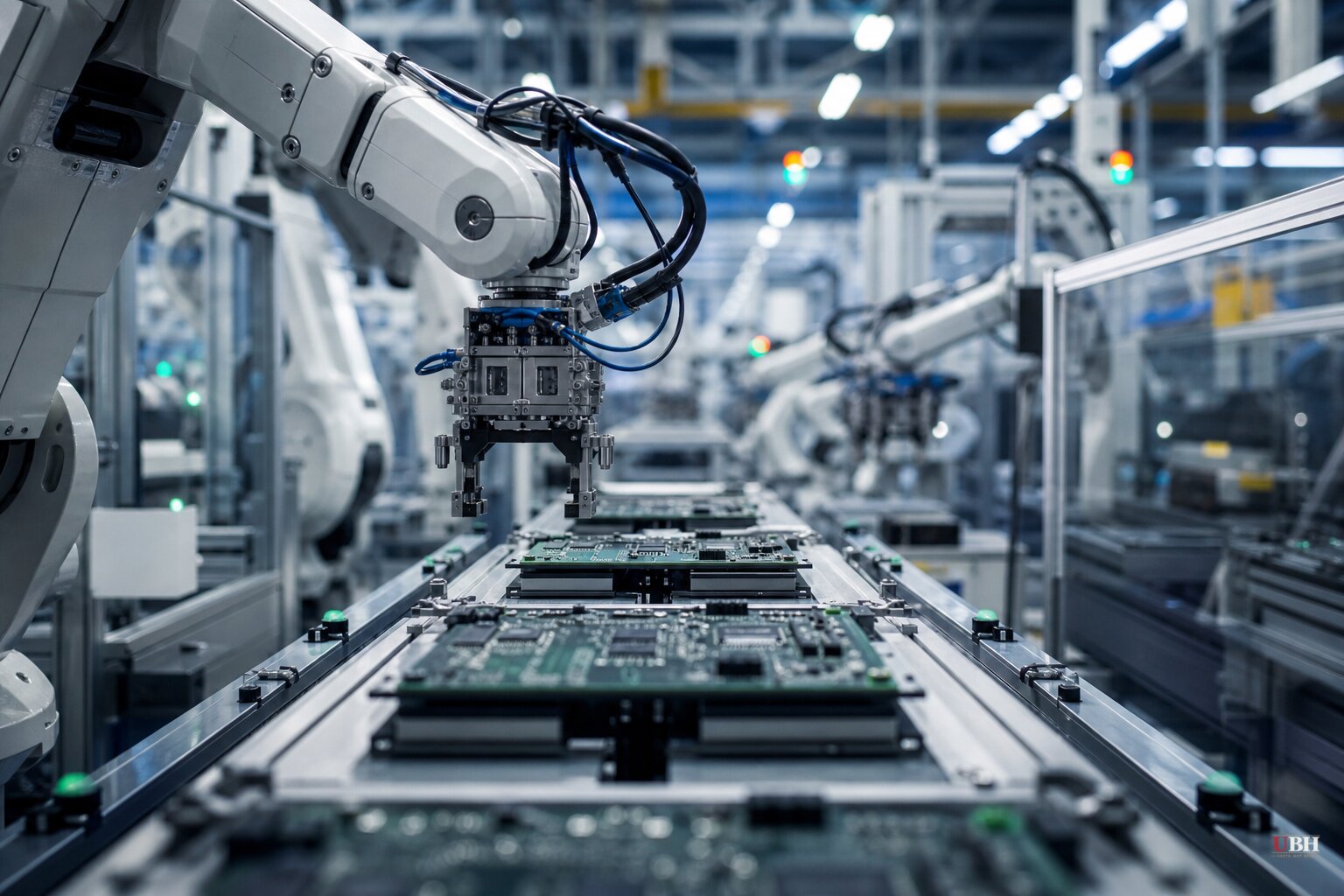
Since second-quarter GDP growth slowed to 4.3%, the weakest pace since late 2022, China's factory sector has now posted back-to-back monthly contractions. The National Bureau of Statistics reported Monday, August 31, that the official manufacturing purchasing managers' index rose to 49.8 in August from 49.2 in July, beating the 49.6 forecast from Reuters-polled economists.
Any reading below 50 signals contraction. So despite the improvement, Chinese factories have now shrunk for two straight months.
The non-manufacturing PMI, covering services and construction, held flat at 49.0, according to Investing Live's breakdown of the release, showing zero improvement from July. The composite PMI, which blends both gauges, edged up to 49.5 from 49.3, still in contraction territory.
Exports remain the one bright spot. New export orders climbed to 50.1 in August from 49.6 in July, according to CNBC, crossing back into expansion. Nguyen Hoang Nam, a China economist at Capital Economics, credited "strong export demand" for the manufacturing rebound in a research note cited by The Independent.
China's exports jumped nearly 24% in July from a year earlier and more than 18% over the first seven months of the year, per The Independent, driven by semiconductor demand tied to the global AI infrastructure boom and by electric vehicle shipments. Max Zenglein, senior economist for Asia Pacific at The Conference Board, said demand for green technologies has "continued to strengthen, providing an important additional boost to Chinese exports."
High-tech manufacturing is doing the heavy lifting domestically too. Production and new-order readings for electronic machinery, computer, and communications equipment topped 53, according to CNBC, while consumer goods production lagged at 49, still shrinking.
Strip out exports and the picture deteriorates. Retail sales and industrial output both slowed in July. Industrial profit growth cooled to its weakest pace of the year. Urban investment contracted at a faster clip, and unemployment ticked higher, all according to CNBC's reporting on the broader economic backdrop.
The property slump that's been dragging on China's economy for years hasn't let up. Consumer spending stalled through the back half of the year. A real, if partial, improvement in factory activity is sitting on top of a domestic economy that's still losing ground.
Huo Lihui, a chief statistician with the National Bureau of Statistics, framed the August data as reflecting "an improvement in China's overall economy," according to the Independent's reporting. The sub-indexes did tick up, but non-manufacturing activity didn't move at all and the composite index remains below 50.
Chinese policymakers have pledged to roll out fiscal spending and monetary easing "in a timely manner," according to multiple reports including CNBC and Congress.net. Tianchen Xu, senior economist at the Economist Intelligence Unit, said Beijing is likely to accelerate project approvals and fund disbursement given worries over the collapse in urban investment. But Xu also said the effect "will only become more prominent next month, and in the fourth quarter."
Economists across the board are hedging on how much help is actually coming. Multiple sources, including Investing Live and Congress.net, note that economists expect any stimulus package to be "limited in scale." Beijing is trying to balance stimulating demand against not blowing up its debt levels or long-term financial stability, a tension the available evidence suggests has not been resolved.
The timing matters. President Trump is expected to meet Chinese leader Xi Jinping in late September, according to The Independent, with trade issues on the table. A Chinese economy leaning on exports to mask domestic weakness will likely be part of that conversation. Whether Beijing's next stimulus move, whenever it lands, does anything to shift that dynamic is the open question heading into the fourth quarter.
Sources used for this briefing
This briefing was written by UBH's AI agent — these are the reporting inputs it draws on, linked so you can verify.


