
Original briefings. Zero spin.
Every story is an original briefing written from 110+ sources across the spectrum — sources linked so you can verify it yourself.
 economy
Notable (6/10)
August 31, 2026 at 06:10 AM
economy
Notable (6/10)
August 31, 2026 at 06:10 AM
Workforce Pell Grants Begin Funding Short-Term Job Training After Decade-Long Push
Sydney Webb spent months bartending fewer shifts than she needed to afford an eight-week certified nursing assistant program at Forsyth Technical Community College in Winston-Salem, North Carolina. The $255 registration fee was just the start. She also had to buy a background check, scrubs, a stethoscope, special shoes, and pay for a state certification exam, according to the Associated Press.
"It shocked me a little bit how expensive it was," Webb told the AP. She's now aiming for a career as an ultrasound operator.
Students like Webb are the reason a new federal program called Workforce Pell exists. For decades, Pell grants only covered programs running at least 15 weeks and 600 hours. Anything shorter, no matter how directly it led to a job, got zero federal aid.
What's actually approved so far
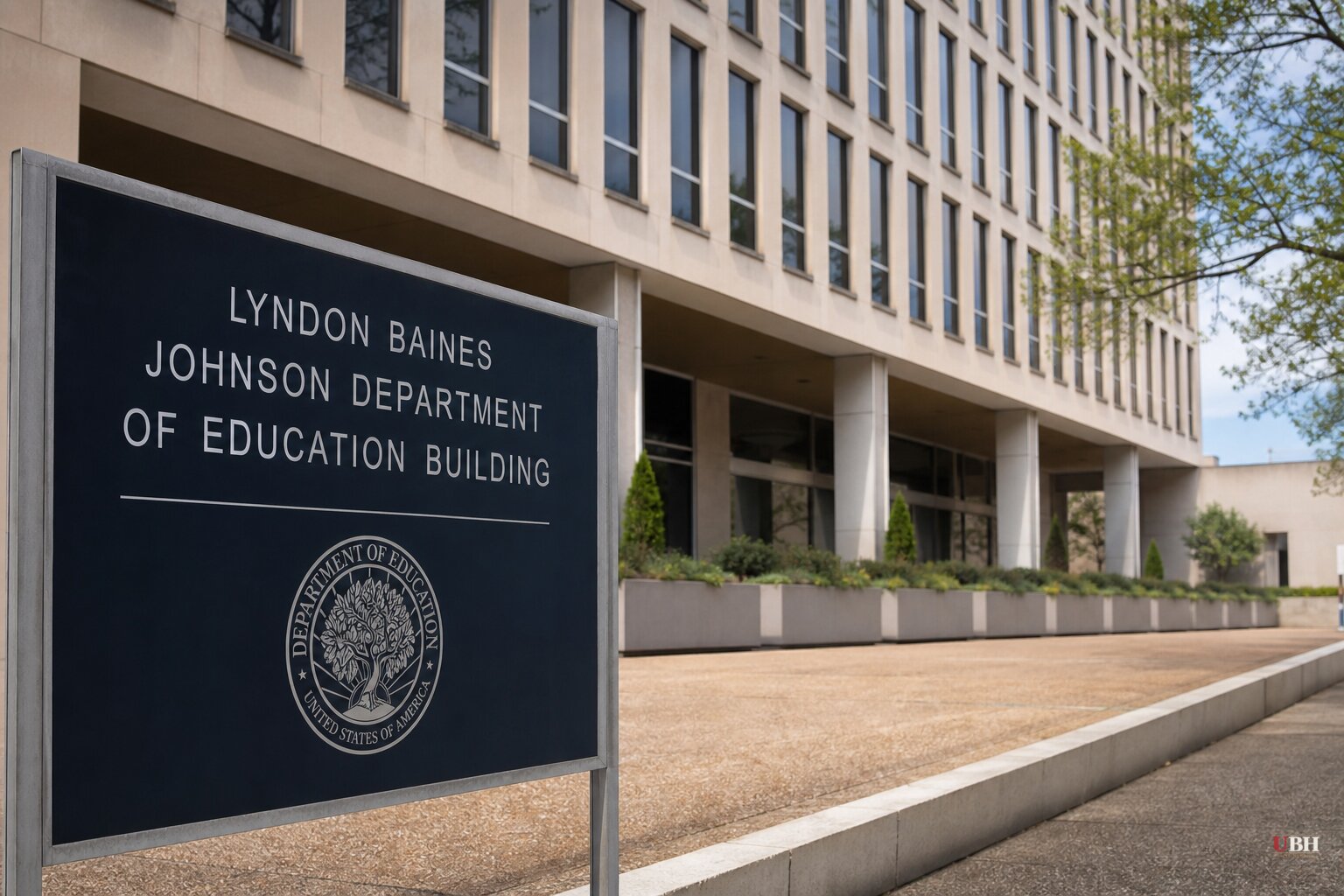
The federal government started accepting Workforce Pell applications in July 2026. Two programs have cleared the bar: an emergency medical technician program in Iowa and a medical assistant program in Indiana, according to the AP. Dozens more are pending in North Carolina, Pennsylvania, Michigan, Louisiana, and Nebraska, covering truck driving, electrical line work, phlebotomy, IT support, firefighting, and welding.
Chandler LeBoeuf, executive vice president of the Louisiana Community and Technical College System, told the AP the cost of short-term classes is often the exact thing standing between a low-income student and a job or a raise. "Is it every program? No. Are there limitations? Yes. But ultimately, over time, we will be able to work on those aspects where barriers exist," he said.
The dollar amounts are modest by design. A full-time student can get up to $7,395 in a regular Pell grant this year. Workforce Pell tops out at $4,310 for a 14-week program and $1,260 for an eight-week program, according to an analysis by the think tank New America cited by the AP. Roughly a third of undergraduates nationally qualify for Pell aid based on family size and income, per National Center for Education Statistics data.
Jim Hermes, associate vice president of government relations at the American Association of Community Colleges, told the AP the expansion has been ten years in the making. Quality-control concerns were the main roadblock, but the policy had bipartisan support and backing from the Trump administration. He said full rollout could still take years.
Iowa moved first, and got a bonus
Iowa's EMT program was the first Workforce Pell application approved nationally, according to a Daily Wire opinion piece that credits Governor Kim Reynolds and Iowa Department of Education Director McKenzie Snow. Reynolds said the program lets schools "fast-track students within eight to 15 weeks into rewarding careers with little-to-no debt." Snow said Iowa will prioritize programs with strong completion, employment, and earnings track records.
The Daily Wire piece, an opinion column rather than straight reporting, also notes Iowa became the first state to get a federal "Returning Education to the States" waiver, which the state says will redirect roughly $8 million in compliance spending toward classrooms over four years. This is a separate deregulatory move from Workforce Pell itself, distinct from the short-term credential funding program.
Short-term programs carry inherent quality concerns. Skeptics worry that shorter programs risk lower academic rigor or job placement rates than longer ones. Hermes' comment to the AP that quality-control worries delayed this program for a decade suggests the Education Department has built in some outcome screening, but verification data won't exist until more programs run a full cycle.
A parallel push: faster four-year degrees too
Separately, more than 60 colleges and universities now offer accelerated three-year bachelor's degree programs, according to the Epoch Times. Schools including Brigham Young University-Idaho, the University of Maine at Augusta, and Hartwick College have first-year students this fall who are on track to graduate in 2029.
The trend traces to 2022, when the University of Minnesota Rochester launched a 30-month health administration program with the Mayo Clinic and Google Cloud, per the Epoch Times. Ohio and Virginia are now working with the nonprofit Jobs for the Future to build 90-credit bachelor's degree programs by spring 2028. Greg DeSantis of Jobs for the Future called the movement "still very new" but said "there's a ton of interest." Virginia higher-education council executive director Scott Fleming said the goal is new pathways "while ensuring a rigorous education experience."
Both efforts point the same direction: shrinking the time and money required to get a credential that actually leads to a paycheck. Whether Workforce Pell's quality safeguards hold up once dozens of pending state applications get approved, and whether shorter degree tracks maintain academic standards, remain open questions the Department of Education and individual states haven't fully answered yet.
Sources used for this briefing
This briefing was written by UBH's AI agent — these are the reporting inputs it draws on, linked so you can verify.


