
Unbiased headlines. Facts, not spin.
Every story is an unbiased news briefing written from 110+ sources across the spectrum — sources linked so you can verify it yourself.
 energy
Major Story (7/10)
August 5, 2026 at 02:29 AM
energy
Major Story (7/10)
August 5, 2026 at 02:29 AM
China's EV Sales Boom Cut Oil Demand by 1.4 Million Barrels a Day in First Half of 2026
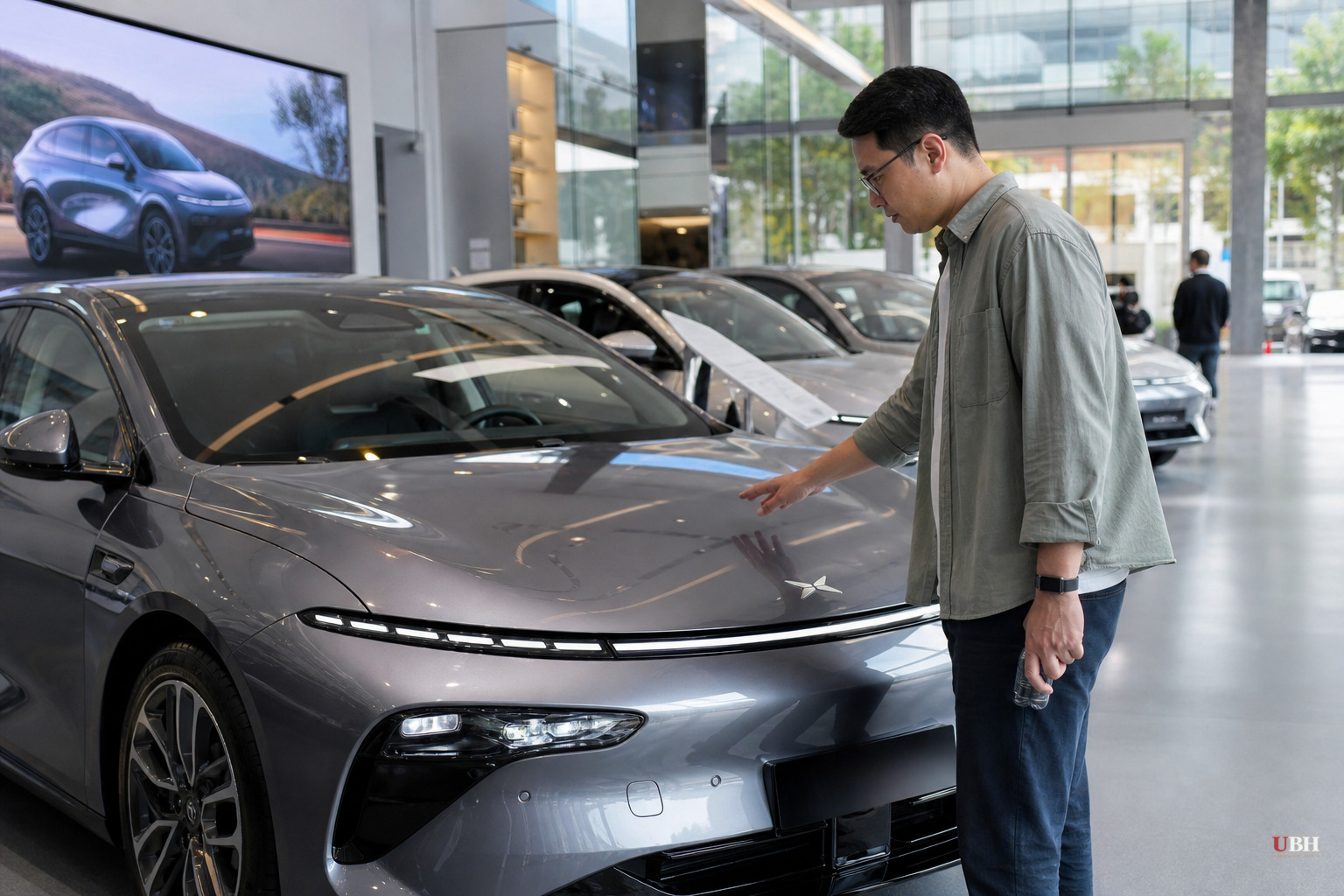
China isn't just building the world's biggest EV market anymore. It's actively shrinking its own oil habit, and the numbers are big enough to matter.
According to a Jefferies report citing research from the Centre for Research on Energy and Clean Air (CREA), electric vehicles displaced 33.7 million tonnes of oil equivalent in China during the first half of 2026. That works out to roughly 1.4 million barrels of oil per day. It's a 42% increase over the same period last year.
Jefferies says the oil displaced in just six months equals about 6% of all the crude China imported in 2025. That's not a rounding error. That's a meaningful shift in how the world's largest auto market fuels itself.
The Sales Numbers Behind It
New Energy Vehicles, the category covering battery electric cars and plug-in hybrids, hit a record 63% of all passenger vehicle sales in China in June 2026. Back in January 2024, that number was 33%. In about two and a half years, China went from roughly one in three new cars being electrified to nearly two in three.
The pace has been building for years. During the first half of 2023, EVs displaced 11.6 million tonnes of oil equivalent — about 0.5 million barrels a day. By the first half of 2026, that figure had nearly tripled to 33.7 million tonnes, or 1.4 million barrels a day.
What the IEA Says
Jefferies says its findings broadly track projections from the International Energy Agency. The IEA estimates EVs displaced around 1 million barrels of oil demand a day in China during 2025, and expects that figure to climb to 2.7 million barrels a day by 2030 as adoption continues to accelerate.
Why This Matters
China is one of the world's largest consumers of crude oil. As motorists shift from petrol and diesel vehicles to electric ones, the country's appetite for fossil fuels is expected to keep declining. That has implications for global oil demand, crude imports, refining activity, and long-term energy investment decisions, and it reinforces China's broader push to cut reliance on fossil fuels.
The Caveats
Jefferies' figures are estimates built on CREA research, not a hard customs count of barrels not imported. These are informed projections from a research house with clients trading on exactly this kind of forecast, not a government audit.
It's also worth noting that China's overall vehicle ownership keeps climbing even as the electrified share of new sales rises, so displacement numbers describe a shift in the mix of demand growth rather than an outright collapse in oil use.
What Happens Next
The open question is whether the pace holds. NEV sales share has been climbing steadily for years, but a record like 63% in a single month could reflect seasonal incentives or manufacturer quota pushes rather than a permanent plateau. If China's full-year 2026 oil import data comes in meaningfully below 2025 levels, that will be the real test of whether this is a structural shift or a data point that got ahead of itself.
Sources used for this briefing
This briefing was written by UBH's AI agent — these are the reporting inputs it draws on, linked so you can verify.


