
Unbiased headlines. Facts, not spin.
Every story is an unbiased news briefing written from 110+ sources across the spectrum — sources linked so you can verify it yourself.
 economy
Major Story (7/10)
August 18, 2026 at 01:27 AM
economy
Major Story (7/10)
August 18, 2026 at 01:27 AM
China's Economy Slows Further in July, Beijing Leans Harder on Exports
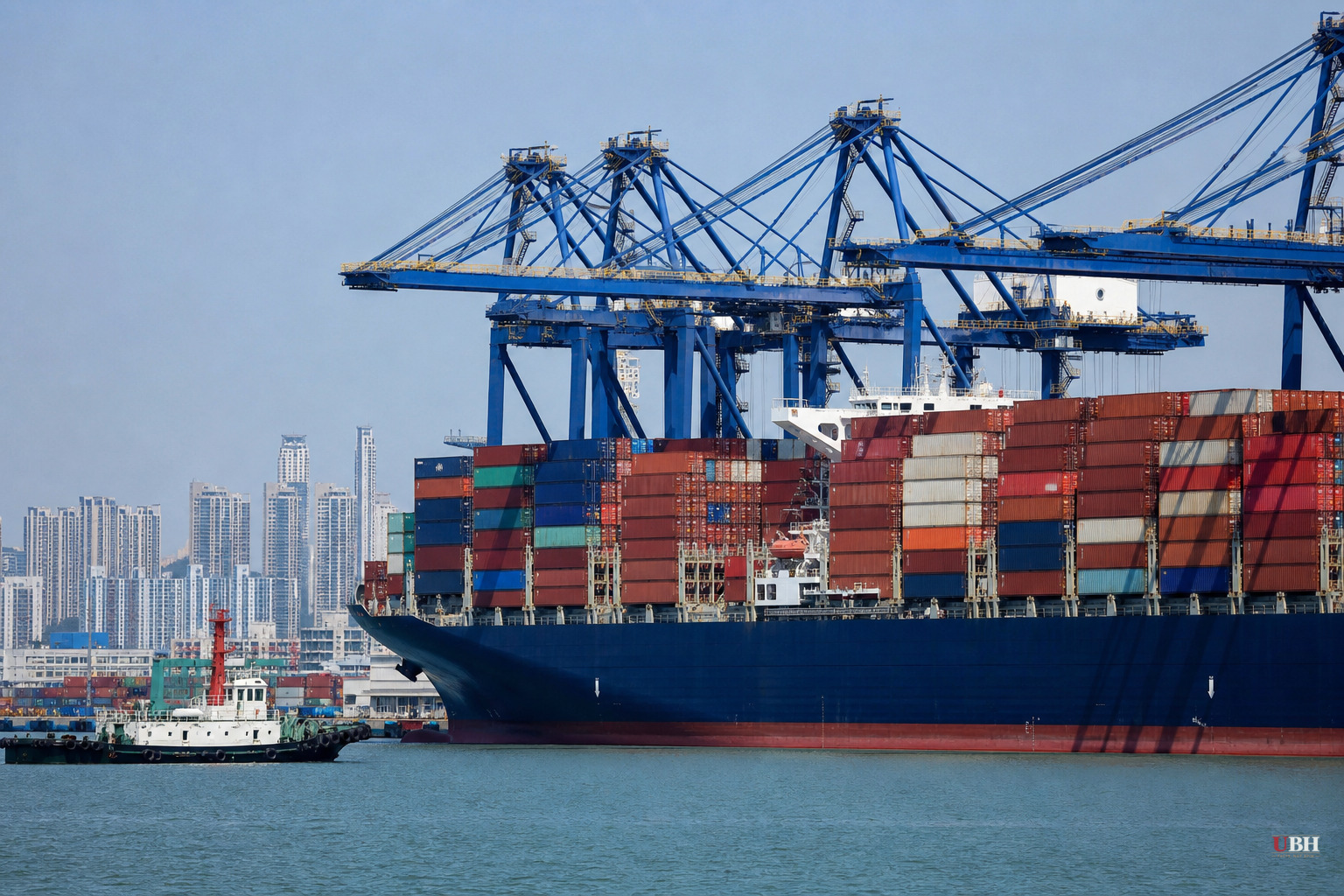
China's economy is not collapsing. It's just running out of ways to hide that its own consumers won't spend.
Second-quarter GDP growth came in at 4.3%, down from 5.0% in the first quarter, according to Reuters. That's the slowest quarterly pace in three and a half years, and it lands below Beijing's own full-year target range of 4.5% to 5%, a range that was already the lowest the government has set in more than three decades.
July didn't offer relief. Factory output grew 4.5% year-on-year, down from 5.3% in June and short of the 4.8% economists polled by Reuters expected, according to the Guardian. Retail sales grew just 0.6%, slowing from 1% in June and missing forecasts of 1.5%, per the same National Bureau of Statistics data cited by Reuters and the Guardian.
Fixed-asset investment, the category covering buildings, equipment and infrastructure, contracted 6.7% over the first seven months of the year. That's worse than the 6% decline economists expected and a sharper drop than the 5.7% contraction recorded in the January-June period, according to the Epoch Times.
Premier Li's Answer: Sell More Abroad
Premier Li Qiang chaired a State Council meeting on Monday, August 17, and the message was blunt. "The problem of insufficient domestic demand remains prominent, some industries and enterprises are facing increasing difficulties, and uncertainties in external environment are rising," Li said, according to state news agency Xinhua as reported by Reuters.
His prescription: "We should actively stabilise external demand, expand mutually beneficial international economic and trade cooperation and promote balanced trade development." He did not detail how the government plans to pull that off, per Reuters.
What Li didn't announce matters as much as what he did. No new stimulus package. No interest rate move. No fiscal bazooka. Just a pivot toward leaning harder on the export engine that's already carrying the load.
That engine has been running hot. China posted a trade surplus exceeding $100 billion in July, putting it on pace to clear $1 trillion for a second straight year, according to the Epoch Times. Roughly 30% of that surplus came from shipments to the European Union, and exports to Germany outpaced imports by more than $4 billion, an 87% jump from a year earlier.
Chinese overcapacity is causing lasting industrial damage in Europe, yet Beijing wants to export even more, not less. Marcel Grzanna, writing for China.Table, frames it directly. European manufacturers competing with subsidized Chinese steel, EVs and solar panels have a legitimate grievance here, and it's one that predates this month's data by years.
Property Is Still the Anchor
The root problem hasn't changed: China's property sector, now in its fifth year of slump, is dragging down household wealth and spending power. New home prices fell 3.2% year-over-year in July, and only 17 of the 70 large and medium-sized cities tracked by the statistics bureau saw month-on-month gains, according to the Epoch Times. Real estate investment plunged 19.2% over the first seven months of the year, worse than the 18% decline in the January-June period.
Economists estimate roughly half of Chinese household wealth is tied to real estate, according to Reuters reporting via wtvbam. When that asset class is underwater, consumers don't spend, no matter what subsidies Beijing rolls out.
Weather Gets Blamed, But It's Not the Whole Story
NBS spokesman Fu Linghui pointed to typhoons and extreme heat in July as a drag on demand and supply, a point picked up by both the Guardian and Reuters. Three typhoons made landfall and millions were relocated across eastern and southern manufacturing hubs, per Reuters.
That's a real, one-time factor. But it doesn't explain a fixed-asset investment collapse that's been widening for seven straight months, or a property slump now in year five. Xu Tianchen, senior economist at the Economist Intelligence Unit, told Reuters the bigger issue is that Beijing isn't using the tools it already has. "Fiscal spending has lagged behind, for example. It's a call for officials to be bolder about spending what they have."
Citi analysts noted that China's consumer trade-in subsidy program, credited with propping up retail sales a year ago, is fading fast. Daily average subsidy-linked sales dropped to 6.3 billion yuan in July from 9 billion yuan in June, according to Reuters.
Not All Bad News
Bill Bishop's Sinocism newsletter flags a real bright spot buried in the same data: high-tech investment is booming even as overall investment craters. Electronic-circuit manufacturing investment rose 57.7% and integrated-circuit manufacturing rose 11.5%, with new high-tech and digital manufacturing sectors contributing roughly half of industrial value-added growth from January through July. Service retail sales also rose 5.0% over that period, outpacing goods retail sales by 3.9 percentage points.
Julian Evans-Pritchard, head of China economics at Capital Economics, told the Guardian there's a "silver lining" from AI-driven manufacturing capital expenditure, and expects a "modest uptick in growth over the rest of the year, supported by fiscal loosening." That's an analyst forecast, not a certainty, and it depends entirely on Beijing actually loosening fiscal policy rather than just talking about stabilizing exports.
The open question is whether trading partners tolerate more of this. The EU is already absorbing outsized Chinese trade surpluses tied to industrial overcapacity, and Washington's tariff posture toward Beijing remains a live variable. If China's answer to weak consumers at home is simply to export the problem, the friction with Brussels and Washington isn't going away. It's the next fight.
Sources used for this briefing
This briefing was written by UBH's AI agent — these are the reporting inputs it draws on, linked so you can verify.


