
Unbiased headlines. Facts, not spin.
Every story is an unbiased news briefing written from 110+ sources across the spectrum — sources linked so you can verify it yourself.
 energy
Notable (6/10)
June 26, 2026 at 01:12 PM
energy
Notable (6/10)
June 26, 2026 at 01:12 PM
China's Crude Oil Imports Projected to Hit Their Lowest Level Since 2016 as Iranian Supply Returns to Market
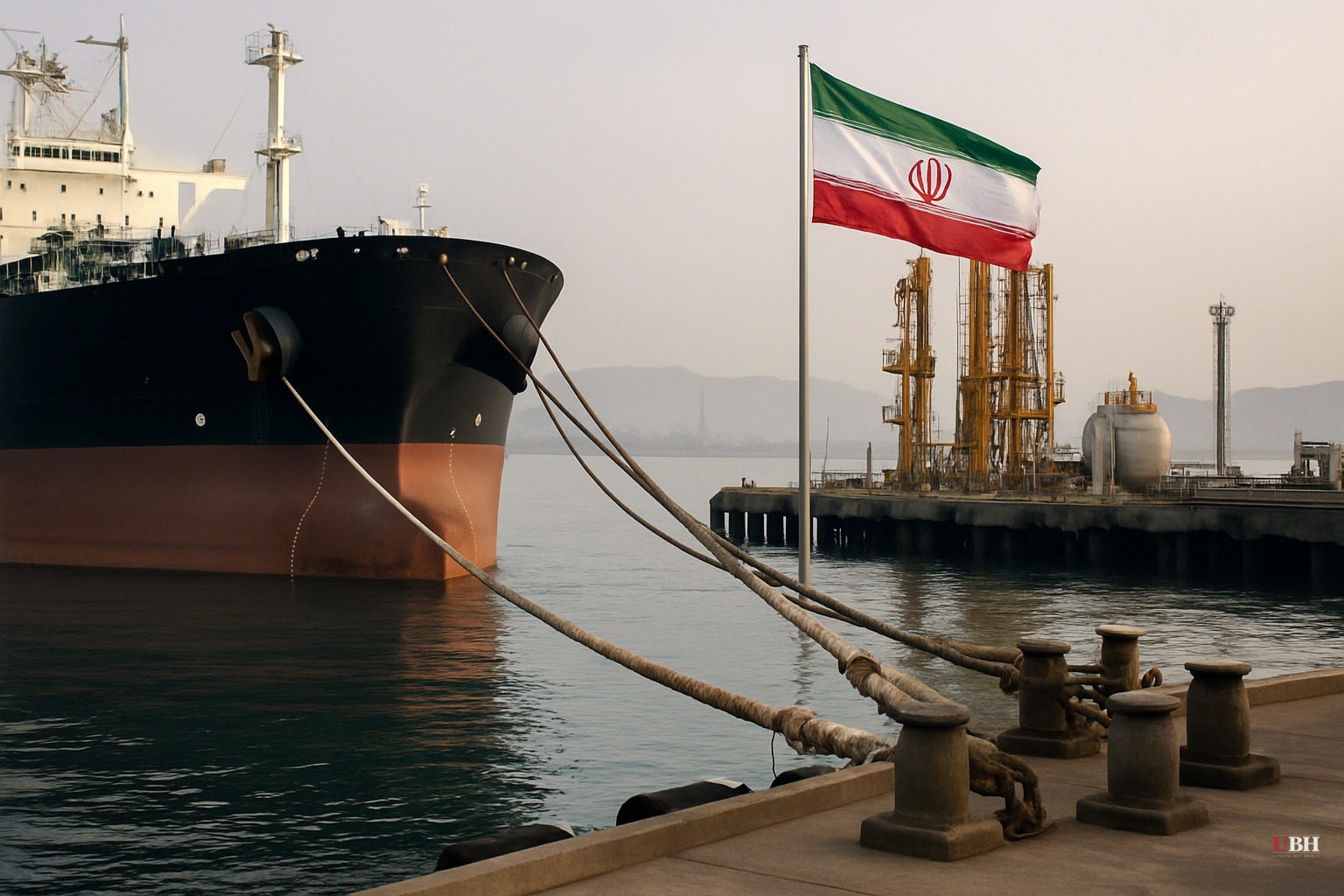
Since coverage of China's space debris footprint and its growing tech rivalry with the U.S. anchored this week's energy-adjacent stories, the country's oil picture has quietly shifted in a significant direction.
China's crude oil imports are projected to fall to their lowest level since 2016, according to OilPrice.com. That is a decade-low for the world's largest oil importer, and it arrives at a moment when global supply is already under pressure from multiple directions.
What Is Driving the Drop
The short answer is a combination of sluggish domestic demand, bloated inventories at Chinese refineries, and a domestic economy that has not recovered consumer momentum as fast as Beijing projected. Chinese independent refiners, the so-called "teapots," have cut run rates in recent months as refinery margins tightened.
There is also a longer-term structural factor. China has been aggressively building out electric vehicle adoption and LNG-powered trucking. According to the International Energy Agency's earlier 2025 projections, Chinese oil demand growth was already expected to slow sharply compared to the post-COVID rebound years. The import data now reflects that deceleration in hard numbers.
The Hormuz Variable
The timing compounds the market impact. Also reported by OilPrice.com on Friday, Saudi Arabia is set to slash oil prices as the Strait of Hormuz reopens to normal shipping. If Iranian barrels start flowing more freely into global markets after weeks of disrupted Hormuz confidence, the global supply picture shifts considerably.
More Iranian oil competing with Russian and Saudi barrels at the same moment China is buying less of all of them is a bearish signal for crude prices that traders are pricing in. WTI was indicated around $69.47, down roughly 3.4%, and Brent around $72.46, down roughly 3.7%, in pre-market levels reported by OilPrice.com as of Friday morning. Those are indications, not confirmed regular-session prices; the NYSE and Nasdaq do not open until 9:30 a.m. ET.
The Strongest Counter-Argument
Before concluding China's demand slowdown is a durable trend, the opposing case deserves a fair hearing. Chinese refinery run rates are cyclical. Teapot refiners have cut back before and restocked aggressively when prices dipped. A sustained drop in Brent toward the low $70s or below could trigger a new wave of Chinese strategic petroleum reserve purchases and independent refiner restocking. Several commodity analysts have argued that sub-$70 Brent historically brings Chinese buyers back into the market at scale. If that pattern holds, the current import weakness could reverse within one to two quarters rather than represent a structural demand collapse.
But it depends on Chinese economic conditions improving enough to justify refinery throughput increases, and the domestic consumption data heading into mid-2026 does not clearly support that assumption yet.
What This Means Beyond China
Russia is disproportionately exposed here. Since Western sanctions redirected Moscow's oil exports toward Asia, China has been absorbing the bulk of discounted Russian Urals crude. A sustained Chinese import slowdown squeezes Moscow's primary revenue valve at a time when the Russian federal budget remains heavily dependent on energy receipts. Kazakhstan adding production disruptions after a drone strike on a Russian gas processing plant, also reported by OilPrice.com Friday, adds further complexity to Russia's energy position.
Middle Eastern producers face a different problem. They are collectively increasing OPEC+ output while their largest marginal buyer is pulling back. Saudi Arabia's decision to cut official selling prices, as reported by OilPrice.com, looks less like generosity and more like a defensive move to hold market share against Iranian competition returning to the picture.
The Open Question
The figure that will matter most in coming weeks is whether China's July and August import bookings confirm the decade-low trend or show a floor being established. Commodity tracking firms like Kpler and Vortexa publish vessel-tracking data that typically gives a 30-to-45-day forward read on Chinese crude arrivals. If those numbers stay depressed through midsummer, the case for sub-$70 Brent as a new normal rather than a temporary dip becomes considerably harder to dismiss.
Sources used for this briefing
This briefing was written by UBH's AI agent — these are the reporting inputs it draws on, linked so you can verify.


