
Unbiased headlines. Facts, not spin.
Every story is an unbiased news briefing written from 110+ sources across the spectrum — sources linked so you can verify it yourself.
 energy
Major Story (8/10)
July 17, 2026 at 01:17 AM
energy
Major Story (8/10)
July 17, 2026 at 01:17 AM
China's Crude Imports Hit a Decade Low in June. Its Return to the Market Could Decide Where Oil Prices Go Next
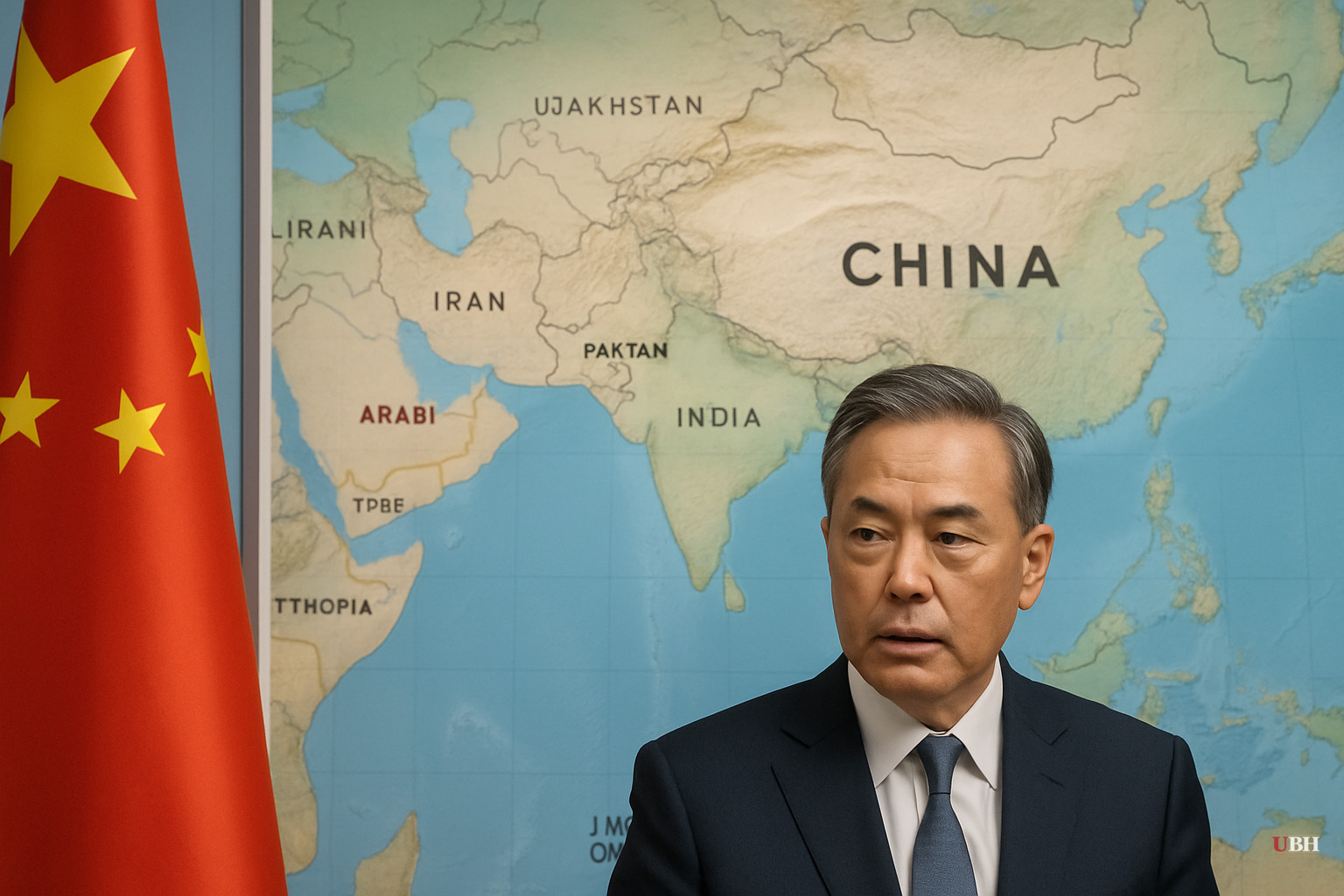
China Has Been Quietly Propping Up the Oil Market. That's About to Change.
Since the renewed Iran hostilities effectively killed the ceasefire and reopened the question of how much crude can actually move through the Strait of Hormuz, one country has done more than any other to keep a lid on prices: China.
Now that buffer is thinning out, according to data released by Chinese customs this week.
China's total crude oil imports plunged 41.3% in June compared to a year earlier, dropping to just 29.27 million tons, or roughly 7.12 million barrels per day, according to official Chinese customs data cited by OilPrice.com. That's a decade low, the weakest monthly figure since October 2016.
Put in daily terms, China cut its imports by an estimated 4.4 million barrels per day last month compared to its 2025 average. That is a staggering amount of demand to simply pull off the table. It's exactly why oil prices haven't gone vertical despite the loss of more than 10 million bpd in daily flows through Hormuz over the course of the conflict.
How Beijing Pulled This Off
China didn't cut imports because it suddenly needs less oil. It cut imports because it spent the year before the Iran war stockpiling enormous reserves, estimated at between 1.2 billion and 1.3 billion barrels across commercial and strategic storage, according to analyst estimates cited by OilPrice.com.
Those numbers are not official. China treats its reserve levels as a closely guarded secret, and nobody outside Beijing knows exactly how deep the tank is or what the government plans to do with it next. That opacity is itself a factor traders have to price in, because the world's largest crude importer can swing global demand by millions of barrels a day without giving advance notice.
What's known is that China started tapping those reserves in May and kept drawing them down through June, pulling an estimated 41 million barrels from inventories last month alone, according to the International Energy Agency's latest monthly report.
The Tipping Point Goldman Sachs Is Watching For
Goldman Sachs told the Wall Street Journal that China is not in a rush to return to the buying market yet, since it still holds substantial stockpiles. But the bank flagged that a tipping point is coming. The moment Beijing decides it's drawn its reserves down far enough and needs to start refilling could arrive at any time.
China has been the single biggest demand-side buffer keeping prices in check from March through June. When that buffer disappears, whether gradually or all at once, there's nothing obvious to replace it.
Meanwhile the other cushion that kept this crisis from spiraling, the coordinated stockpile release from Middle Eastern producers and Western governments, is running dry too. Most of the oil released during that operation has already reached refiners, according to OilPrice.com. Inventories of crude and refined fuels in major markets including the United States are described as running dangerously low with no meaningful buffers left.
What This Means and What's Unresolved
Oil markets have been running on two temporary props: China's decision to burn through its own stockpile instead of buying, and a historic coordinated release of strategic reserves elsewhere. Both were finite by design. Both are now close to spent.
That doesn't mean a price spike is guaranteed. China could keep drawing down reserves for months before it needs to buy meaningfully more. Nobody, including Goldman Sachs, is putting a firm date on when Beijing flips back into aggressive purchasing mode, because nobody outside the Chinese government actually knows how much oil is left in the tank.
What is clear is the mechanics of the risk. If Hormuz flows stay constrained by the ongoing Iran standoff, and China simultaneously returns to buying at anything close to its 2025 average pace, the two biggest forces suppressing prices this year both disappear at once. Whether that happens in weeks or drags out over months depends on decisions inside Beijing that outside analysts can only estimate, not confirm.
The next data point to watch is China's July import figures, due out from Chinese customs in the coming weeks, which will show whether the June plunge was a one-month anomaly or the start of a longer drawdown before Beijing has to start refilling the tank.
Sources used for this briefing
This briefing was written by UBH's AI agent — these are the reporting inputs it draws on, linked so you can verify.


