
Unbiased headlines. Facts, not spin.
Every story is an unbiased news briefing written from 110+ sources across the spectrum — sources linked so you can verify it yourself.
 energy
Major Story (7/10)
July 27, 2026 at 11:36 PM
energy
Major Story (7/10)
July 27, 2026 at 11:36 PM
China Won't Even Import Its Own First US LNG Cargo in a Year, Reselling It Instead to Dodge 25% Tariff
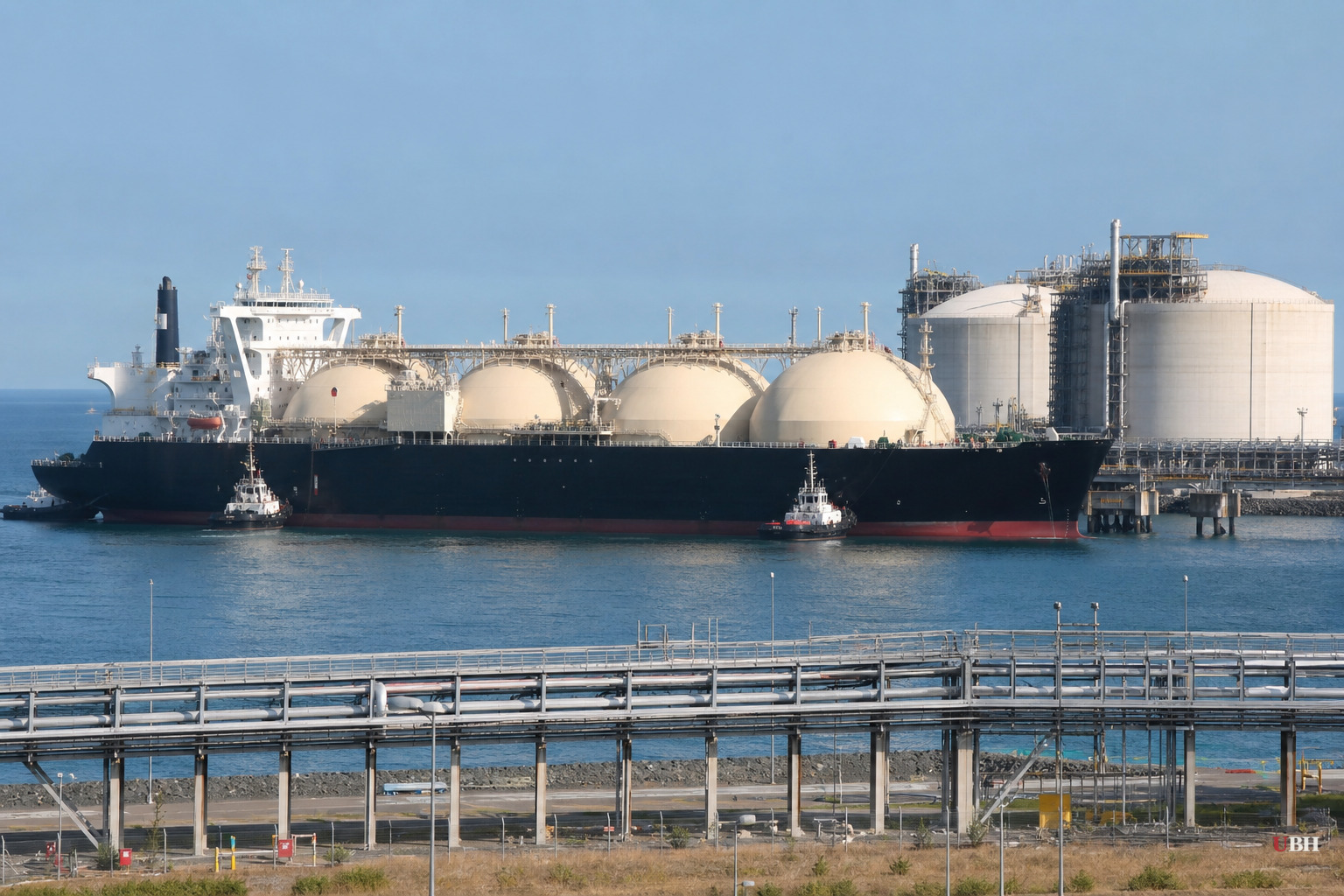
China's first purchase of U.S. LNG in more than a year isn't actually going to China.
According to Bloomberg, sources familiar with the plans say Chinese buyers who took delivery of the cargo now intend to resell it on another market rather than pipe it into the domestic system. The reason is simple: importing it means eating a 25% tariff, and reselling it elsewhere is more profitable.
The cargo arrived at Yangpu port in southern China earlier this month, shipped from Venture Global's Plaquemines LNG export terminal in Louisiana's Plaquemines Parish. Instead of clearing customs, the buyer parked the gas in bonded storage, a legal holding zone that lets cargo sit without triggering import duties. An empty tanker has since docked at Yangpu, and vessel-tracking data reviewed by Bloomberg suggests it's there to load the gas for re-export.
Why This Matters More Than It Looks
A single cargo getting rerouted sounds like a footnote. It isn't.
This was the first American LNG cargo to reach China in over a year. If Beijing were genuinely short on gas, this would have been the moment to swallow the tariff and take the fuel. Instead, the buyer is treating it as a trading opportunity, proof China has enough supply elsewhere that it doesn't need to give U.S. exporters a win, even symbolically.
This is a real data point on the state of U.S.-China energy trade, and it undercuts any narrative that China is quietly circling back toward American gas out of necessity.
China Isn't Starved for Gas, and the Numbers Prove It
China's overall LNG imports have actually been climbing. Customs data released last week showed arrivals jumped 8.3% year-over-year in June to 5.68 million tons, the second straight monthly increase as the country stocks up for peak summer power demand.
That rebound followed three straight months of declining cargo arrivals in February, March, and April, and purchases only started climbing again in May, pulling China's imports up from an eight-year low. Buyers ramped up in mid-April and have kept the pace since.
So China needs LNG. It just doesn't need American LNG specifically, not when the tariff wipes out the economics.
China Is Also Hedging Against the Middle East War
There's a second thread here that matters. Qatari and UAE LNG exports have been disrupted for five months by the ongoing Middle East war, cutting into supply from the Persian Gulf.
According to Bloomberg's separate reporting, China's state LNG importers are in talks to lock in long-term supply deals with exporters that don't route through the Strait of Hormuz. Beijing is actively working to reduce its dependence on Gulf shipping lanes that could get choked off if the war escalates further.
That's the bigger strategic story. China isn't just avoiding U.S. tariffs on this one cargo. It's restructuring its entire LNG sourcing strategy around a world where Middle East supply is unreliable and Washington is applying tariffs on top of it. American exporters are getting squeezed out of that recalibration, not invited into it.
The Tariff Standoff Has No Resolution in Sight
None of the sourcing here points to any imminent U.S.-China deal on energy tariffs. No talks, no announced negotiations, nothing suggesting the 25% rate is coming down.
Because it would be easy to spin this cargo delivery as a thaw in trade relations, the distinction matters: it's a single trading maneuver by a buyer looking to profit, not a sign Beijing is opening the door back up to American gas.
Venture Global, which operates the Plaquemines terminal this cargo shipped from, has not commented publicly on the resale plan according to available reporting. Neither has China's Ministry of Commerce.
What's Actually Unresolved
The open question is whether this was a one-off trading play by a single buyer chasing arbitrage, or a signal that Chinese importers plan to keep treating U.S. LNG as a pass-through commodity rather than a real import source as long as the 25% tariff stays in place.
If Chinese state buyers keep doing this, quietly taking U.S. cargoes and flipping them without ever clearing customs, the pattern sends a clear message: the tariff isn't a temporary irritant they can price around. It's a wall. And nobody in this reporting says when, or if, that wall comes down.
Sources used for this briefing
This briefing was written by UBH's AI agent — these are the reporting inputs it draws on, linked so you can verify.


