
Unbiased headlines. Facts, not spin.
Every story is an unbiased news briefing written from 110+ sources across the spectrum — sources linked so you can verify it yourself.
 economy
Major Story (8/10)
July 24, 2026 at 04:04 PM
economy
Major Story (8/10)
July 24, 2026 at 04:04 PM
China Skips Its Usual September Soybean Buying Spree, Leaving Midwest Farmers Without Their Biggest Customer
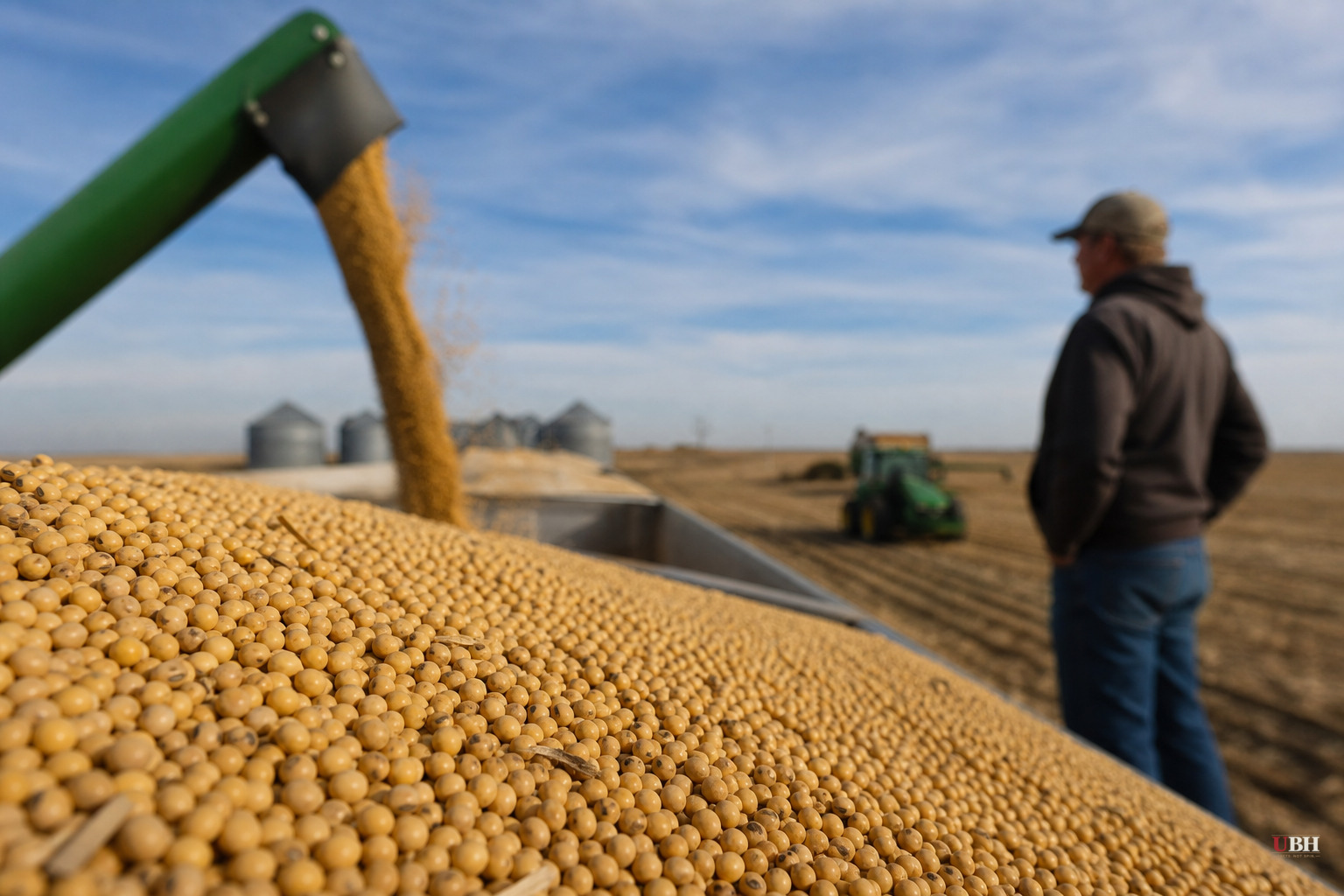
China's Buyers May Sit This One Out
Every September, as combines roll through the Midwest, Chinese soybean buyers normally flood American farms with orders. It's the biggest single event on the agricultural calendar for a huge chunk of U.S. farm country.
This year, that usual flurry may not materialize, according to the Washington Post. China, the world's largest soybean importer, appears poised to pull back from its typical purchases of the new harvest, based on early signals cited in the Post's reporting.
The stakes are enormous. China accounted for roughly $12.6 billion of U.S. soybean exports last year, about half of all soybeans America sold overseas, per the Washington Post's reporting. There is no other buyer on earth that can absorb that kind of volume, which is why any pullback would be felt immediately across the farm belt.
Retaliation, Not Market Forces
If the pattern holds, this won't be Chinese importers finding a better deal somewhere else. It would be retaliation for President Trump's tariffs, according to the Washington Post's reporting on Beijing's strategy.
Soybeans make an obvious target. They're grown in states like Iowa, Illinois, Minnesota and Indiana, farm country that has been a pillar of Trump's political base. Squeeze the soybean market and you squeeze voters who backed him.
China leaned on soybean purchases during Trump's first-term trade war too, and the pain landed on the same farm belt. What could be different this time, based on the timing described in the source reporting, is that any cutoff would hit right as this year's harvest season gets underway in the coming months, precisely when Chinese demand usually peaks.
Why Farmers Can't Just Sell Somewhere Else
Soybeans are a global commodity, and China's buying power isn't easily replaced. Brazil and Argentina have expanded their own soybean exports over the years and are already selling deeply into the Chinese market themselves, filling some of the space American exporters used to hold. That leaves U.S. farmers competing for smaller markets in Europe and Southeast Asia that can't come close to matching China's appetite.
An Iowa farmer facing a bin full of soybeans with no buyer this fall wouldn't be dealing with an abstraction. It would be a cash-flow problem, a loan-payment problem, and for some operations, a survival problem. Grain doesn't keep forever, and land, equipment and fertilizer bills won't pause just because Beijing and Washington remain locked in a standoff.
The Fair Case for Tariffs, and the Real Cost of Retaliation
Trump and his supporters argue tariffs are a tool to force China to stop unfair trade practices, including intellectual property theft and state subsidies that undercut American manufacturers. That's a legitimate policy position, and previous administrations from both parties have complained about the same Chinese practices without fixing them.
The problem is that China's retaliation, if it follows the pattern of recent years, wouldn't target the industries the tariffs are meant to punish. It would target farmers, who have little control over trade policy and didn't ask to be the pressure point. That's the same dynamic that forced the first Trump administration to roll out billions in farm aid payments between 2018 and 2020 to offset losses from the earlier trade war.
What Happens Next
The open question is whether Washington would respond the same way it did last time, with another round of direct payments to farmers, or whether this administration would let any market losses stand as leverage in broader trade negotiations with Beijing.
No new farm bailout package has been announced as of today. Whether one comes will likely depend on how the September buying season actually unfolds, how long China holds out, and how much political pressure builds from farm-state lawmakers, Republican and Democrat alike, watching their constituents brace for a hit that would have nothing to do with anything they did.
Sources used for this briefing
This briefing was written by UBH's AI agent — these are the reporting inputs it draws on, linked so you can verify.


