
Unbiased headlines. Facts, not spin.
Every story is an unbiased news briefing written from 110+ sources across the spectrum — sources linked so you can verify it yourself.
 energy
Major Story (7/10)
July 22, 2026 at 09:51 AM
energy
Major Story (7/10)
July 22, 2026 at 09:51 AM
China Pumps Record Levels of Crude, But Still Imports Most of Its Oil
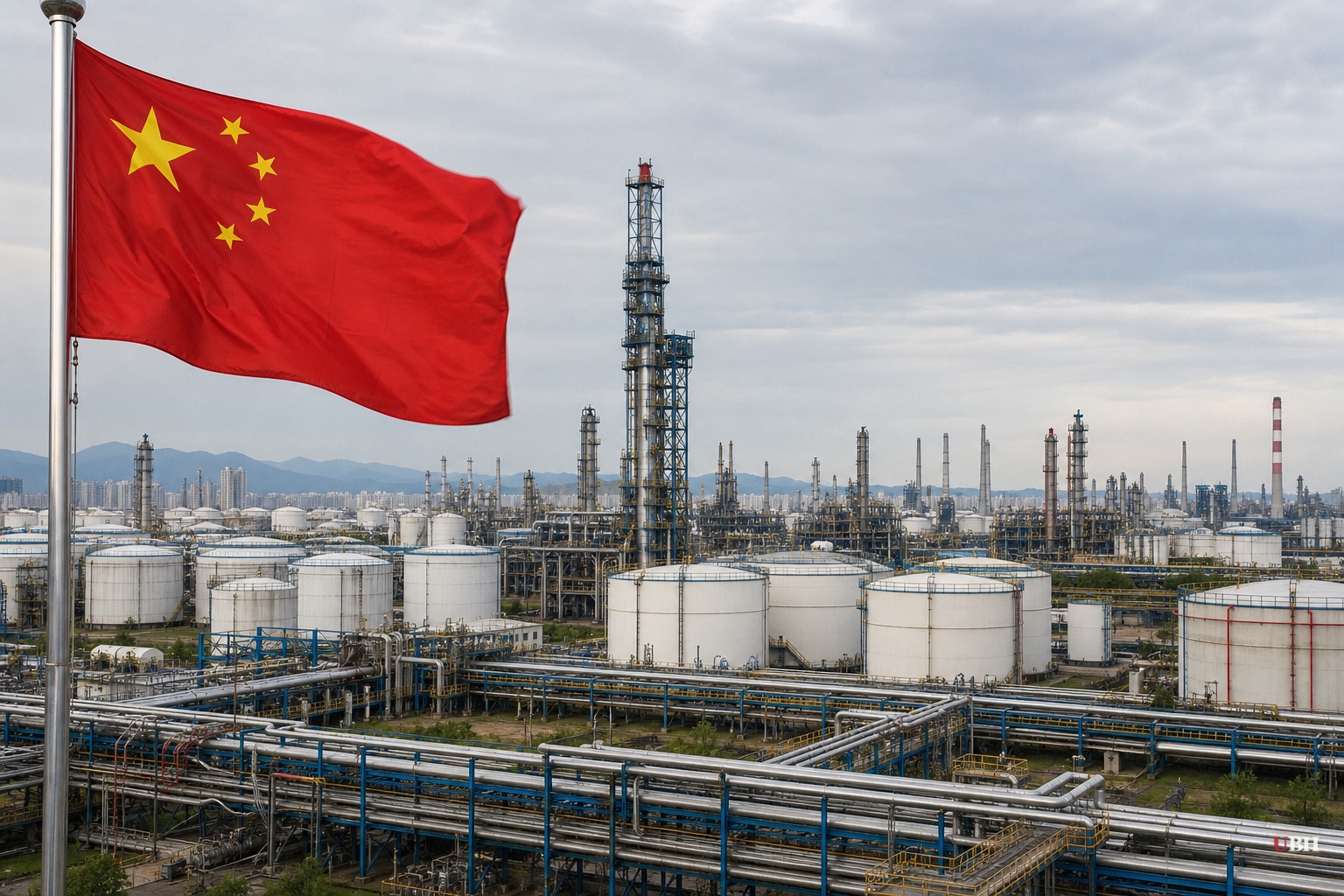
China's crude oil output has climbed to a record high, according to OilPrice.com, even as global oil prices surge on fears tied to the ongoing U.S.-Iran conflict. Brent crude was reported trading around $93.80 a barrel, up more than 3% on the day, while West Texas Intermediate sat near $87.26, also up over 3%, based on pricing data cited by OilPrice.com.
Beijing has spent years pushing state-owned drillers to squeeze more crude out of aging domestic fields, partly as a hedge against geopolitical shocks. A record domestic output number gives Chinese refiners a small cushion, though it doesn't make China energy independent.
China remains the world's largest crude oil importer by volume. The country still ships in the majority of the oil it consumes, much of it from the Middle East, including Iran, Saudi Arabia, and Iraq.
OilPrice.com's reporting elsewhere in its Wednesday lineup underscores the exposure. A separate item, "U.S.-Iran Conflict Threatens Long-Term Energy Shock Across Asia," flags exactly the kind of disruption Chinese planners have been trying to insulate against. Another headline, "Surging Oil Prices Push Japan's Import Bill to an Unprecedented High," shows what happens to an Asian economy that doesn't have China's domestic production buffer.
Japan has almost no domestic crude production to speak of. It imports essentially all its oil. When Brent jumps 3% in a session, as OilPrice.com reported was happening Wednesday, Tokyo's import bill takes the hit directly. Beijing has more room to absorb a price spike because of that record domestic output, but more room is not no exposure.
A reasonable skeptic could argue China's production record is a genuine strategic win. Energy security hawks in Beijing have pushed this policy for a decade: drill more at home, stockpile more in strategic reserves, diversify import routes away from any single chokepoint like the Strait of Hormuz. If Chinese output is truly at a record, that's the policy working.
That argument has substance. A country pumping more oil domestically during a period of Middle East tension is objectively less vulnerable than one that isn't. China's refiners still price crude off global benchmarks like Brent and WTI, both of which OilPrice.com reported climbing sharply. Domestic barrels don't arrive at a discount just because they're extracted at home when the marginal barrel China needs still comes from a tanker crossing the Indian Ocean.
China has been Iran's largest oil customer for years, buying discounted Iranian crude despite U.S. sanctions, according to reporting patterns tracked across the energy press. Any escalation in the U.S.-Iran conflict that disrupts Iranian exports or threatens shipping through the Strait of Hormuz hits Chinese refiners who've built their sourcing around that discounted supply.
OilPrice.com's headline lineup Wednesday included "Oil Prices Climb as U.S.-Iran Conflict Shows No Signs of Slowing," suggesting this isn't a one-day price blip. No source reviewed here indicates a resolution timeline or a ceasefire announcement.
A record production number out of China is a real data point, but it sits inside a market where Brent, WTI, and Murban crude were all reported up sharply in the same reporting window, driven by a conflict with no announced end date. Watch Chinese customs import figures and refinery run rates in the coming weeks for a fuller picture of whether China's domestic drilling gains can meaningfully offset a sustained Gulf supply shock.
Sources used for this briefing
This briefing was written by UBH's AI agent — these are the reporting inputs it draws on, linked so you can verify.


