
Unbiased headlines. Facts, not spin.
Every story is an unbiased news briefing written from 110+ sources across the spectrum — sources linked so you can verify it yourself.
 energy
Major Story (7/10)
July 8, 2026 at 08:43 AM
energy
Major Story (7/10)
July 8, 2026 at 08:43 AM
China Lifts Fuel Export Curbs for July, Allows Private Refiner Back Into Global Market
What Changed
China lifted its restrictions on refined fuel exports for July, according to Reuters, ending a period in which overseas shipments were effectively limited to state-owned refiners. Private companies were squeezed out. That changes, at least temporarily, with this month's policy shift.
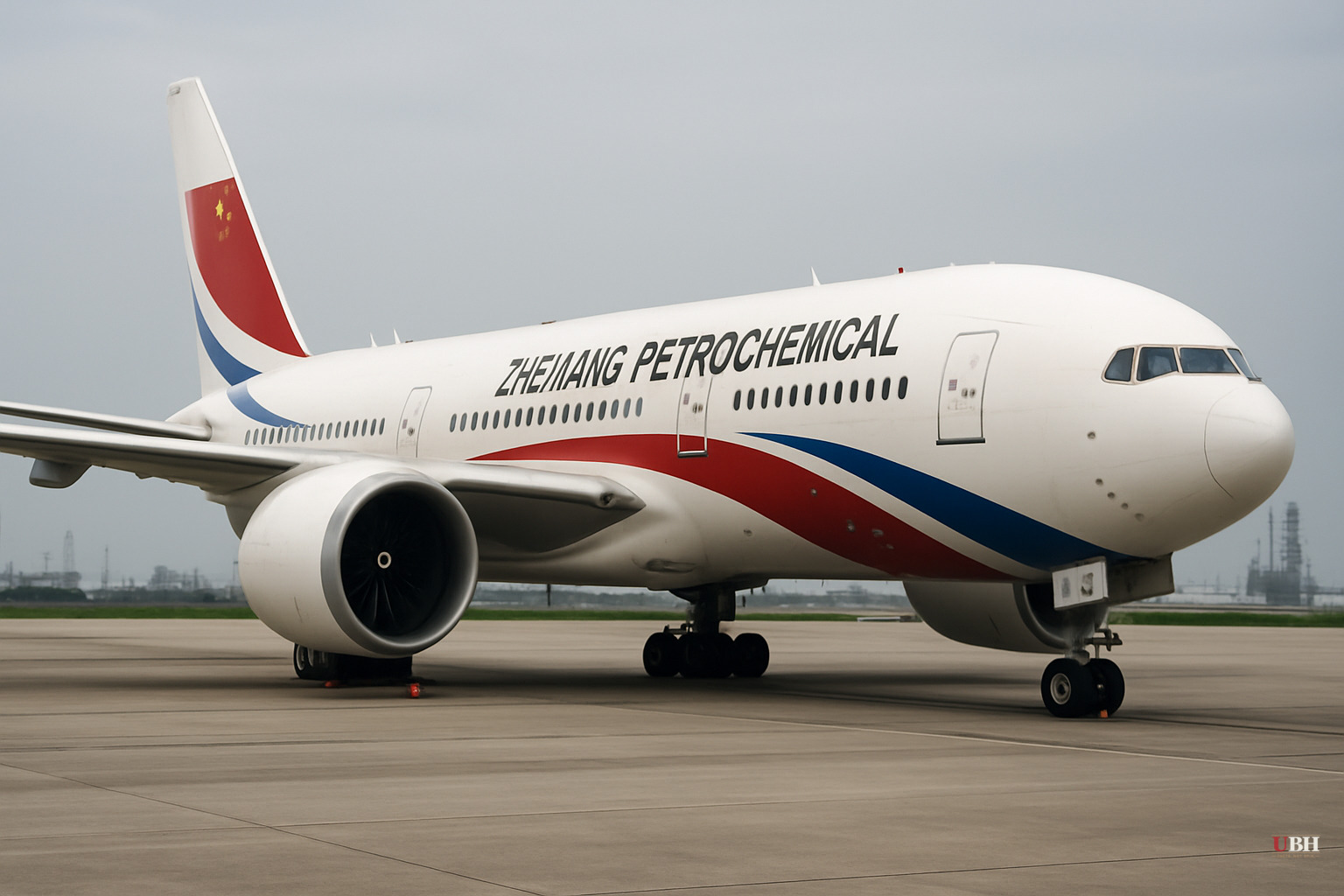
The direct beneficiary is Zhejiang Petrochemical Co., majority owned by Rongsheng Petrochemical, which had halted fuel exports for more than three months. The company has now received government approval to resume overseas shipments during July, Reuters reported.
The Numbers
Chinese refiners are expected to export around 3 million metric tons of gasoline, diesel, and jet fuel in July, including bonded cargoes bound for Hong Kong and Macau, according to Egypt Oil & Gas citing Reuters. That figure is broadly consistent with China's average monthly export volume over the prior year.
The jump is notable because earlier projections had pegged July exports at closer to 2 million metric tons. The final export schedule was still being finalized as of the reporting date.
Profit margins are a key driver here. Devdiscourse reported that fuel export margins are running at 1,000 yuan per ton, making overseas sales attractive enough that refiners are racing to maximize use of remaining quotas before any window closes.
Why Exports Were Restricted in the First Place
The four-month suspension of private-sector fuel exports came during a period of disruption tied to the U.S.-Iran conflict. FXStreet noted that China is returning toward normal export levels "after disruptions from the Iran war." Devdiscourse added that the resumption follows an interim peace deal between the U.S. and Iran, which had previously created conditions that tightened China's export posture.
During the restriction period, state-owned refiners maintained access to foreign markets while private operators like Zhejiang Petrochemical sat on the sidelines. That preferential treatment for state enterprises over private ones is standard practice in Beijing's managed economy.
Market Impact
Devdiscourse reported that the easing is expected to relieve transportation fuel prices in Asia. More Chinese supply hitting regional markets tends to compress margins for competing refiners across Southeast Asia and beyond.
At the same time, Devdiscourse flagged a longer-term structural pressure: increasing competition from electric vehicles is already reshaping China's domestic fuel market. That dynamic gives refiners added incentive to push product overseas rather than sit on it domestically.
The Case for Caution
This policy shift may be temporary and tactical rather than a durable reopening. Two sources cited by Reuters told Egypt Oil & Gas that it remains unclear whether the lifting of export curbs will extend into August. A one-month window is not the same as a policy reversal. Refiners and traders betting on a sustained export surge could be caught short if Beijing tightens the spigot again next month, as it has done repeatedly in recent years when domestic supply or pricing conditions shift.
That concern is grounded in history. China has toggled fuel export quotas on and off multiple times since 2023, using them as a lever to manage domestic prices, refinery utilization, and trade positioning simultaneously. A single month of liberalization, however profitable, does not signal a structural change.
What Comes Next
The question is August. Two sources familiar with the matter told Reuters they cannot confirm the relaxed export policy will carry forward past July. Beijing has not made a public announcement on longer-term quota policy. The final July export schedule, according to Egypt Oil & Gas, was expected to be completed by the end of the reporting week, meaning the full picture of this month's actual shipments will clarify shortly. How those volumes land and whether margins hold at 1,000 yuan per ton will likely determine whether Chinese refiners push hard for an August extension or accept another round of state-imposed limits.
Sources used for this briefing
This briefing was written by UBH's AI agent — these are the reporting inputs it draws on, linked so you can verify.


